
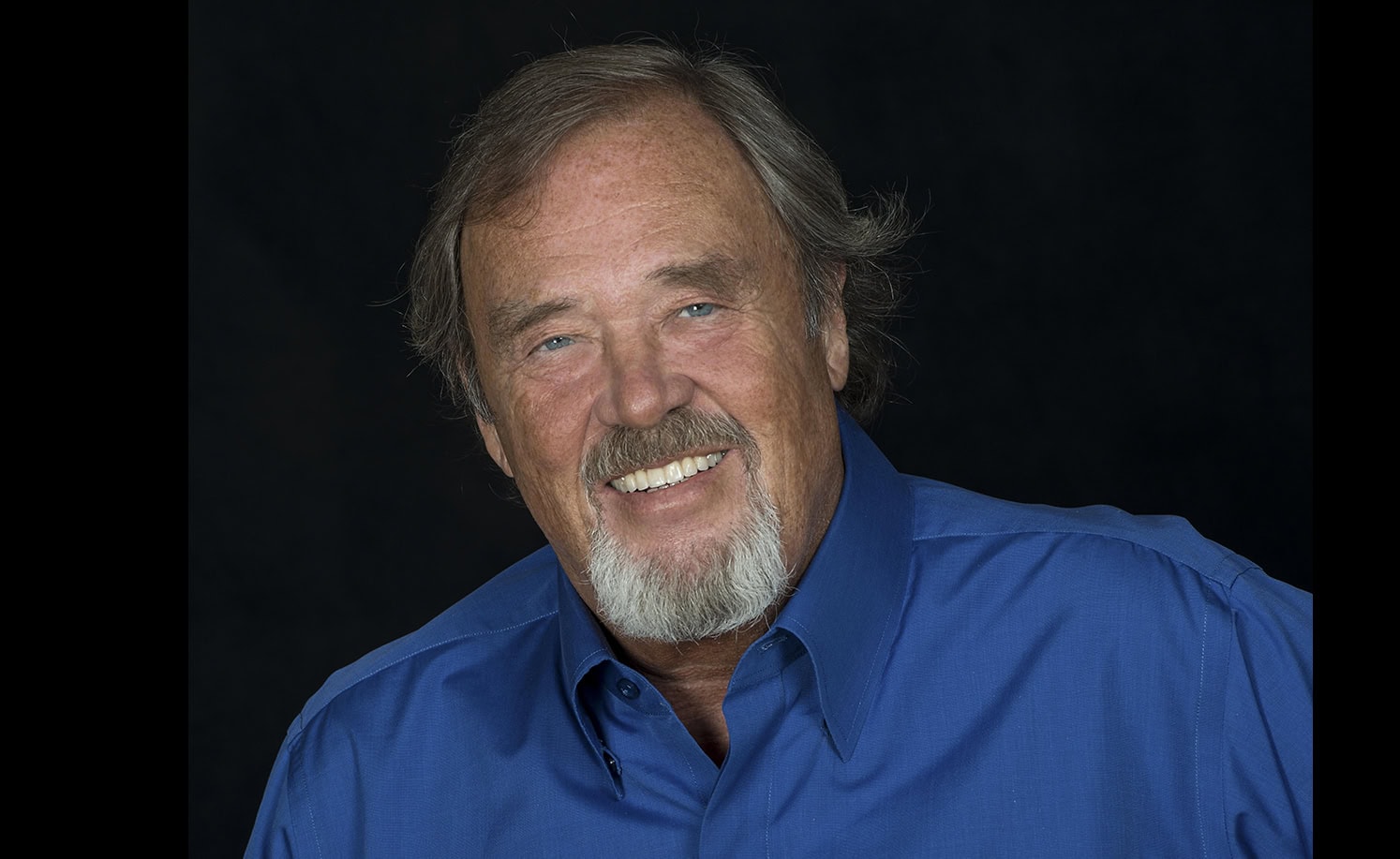
Toronto music legend, David Clayton-Thomas, the Grammy Award-winning singer and songwriter whose powerhouse voice propelled Blood, Sweat & Tears to the summit of popular music, died peacefully on the evening of Wednesday, June 24, 2026, at St. Michael’s Hospital in Toronto. He was 84.
One of the most recognizable voices of his generation, Clayton-Thomas sang the hell out of every song he touched, soaring and sunny one moment, a deep and somber shade of blue the next. Over a career that carried him from the streets of Toronto to the stage at Woodstock and beyond, he sold more than 40 million records and helped shape the very sound of jazz-rock.

Born David Henry Thomsett in Surrey, England, on September 13, 1941, he was the son of Fred Thomsett, a Canadian soldier, and Freda, an English music student who met while she entertained troops at a London hospital. After the war the family settled in Willowdale, a suburb of Toronto. His early years were marked by hardship and a troubled relationship with his father, and by the age of fourteen he was living on the streets, surviving however he could and passing through a series of jails and reformatories. It was there, with a battered guitar left behind by a departing inmate, that he taught himself to play and discovered the talent that would change his life. For the first time, in jailhouse concerts, he found acceptance, and he never looked back.
Released in 1962, he gravitated to Toronto’s Yonge Street strip, where the rhythm and blues drifting up from Detroit and Chicago became his education. The rockabilly legend Ronnie Hawkins recognized his formidable gift and took him under his wing, and before long Clayton-Thomas was fronting his own bands, first David Clayton-Thomas and the Fabulous Shays, then the jazz-infused Bossmen, one of the earliest rock bands anywhere to weave jazz musicians into its ranks. In 1966 he wrote and recorded the blistering anti-war anthem “Brainwashed,” which stormed to the top of the Canadian charts.
His destiny changed one night in New York City, where folk singer Judy Collins heard him perform and told her friend, drummer Bobby Colomby, about the extraordinary voice she had encountered. Colomby’s band, Blood, Sweat & Tears, had recently fractured, and he invited Clayton-Thomas to help rebuild it. The result was history. The band’s 1968 self-titled album, his first with the group, sold ten million copies worldwide, topped the Billboard chart for seven weeks, and remained on the chart for an astonishing 109 weeks. It won five Grammy Awards, including Album of the Year, famously besting the Beatles’ ‘Abbey Road,’ and spun off three signature hits that each reached No. 2 on the Billboard Hot 100: “You’ve Made Me So Very Happy,” “And When I Die,” and Clayton-Thomas’s own composition, “Spinning Wheel.” His searing rendition of Billie Holiday’s “God Bless the Child” became a signature of his own.
With Clayton-Thomas at the microphone, Blood, Sweat & Tears became one of the defining acts of its era, headlining the Royal Albert Hall, the Metropolitan Opera House, the Hollywood Bowl, Madison Square Garden, the Newport Jazz Festival, and Woodstock, and following up with hit albums including ‘Blood, Sweat & Tears 3’ and ‘Blood, Sweat & Tears 4,’ which featured his hits “Lucretia MacEvil” and “Go Down Gamblin’.” In 1970 the band made history as the first rock group to break through the Iron Curtain, touring Eastern Europe at the request of the U.S. State Department, an extraordinary and fraught chapter later chronicled in the acclaimed 2023 documentary ‘What the Hell Happened to Blood, Sweat & Tears?’ Exhausted by years of relentless touring, he left the band in 1972, returning mid-decade and ultimately leading the group through its many incarnations until 2004.
Throughout a remarkable solo career, Clayton-Thomas released nearly a dozen albums under his own name. Among them was ‘The Evergreens’ in 2008, which he often named as his personal favourite, and ‘Combo’ in 2015, a labour of love that returned him to his roots, singing jazz and blues in the intimate clubs of Toronto where it all began. With the big, brassy sound of Blood, Sweat & Tears long behind him, he pared his band down to a bare minimum on that record, relying on a quintet of Canada’s finest jazz musicians to showcase that unmistakable voice. His later work grew increasingly fearless and political, culminating in 2020’s ‘Say Somethin’.’ He also hosted his own CBC television series, and in 2010, the same year he survived serious heart surgery, performed at Massey Hall with the Toronto Symphony Orchestra.
In his later years, Clayton-Thomas became a passionate advocate for justice-involved youth, drawing on his own hard adolescence to lift up young people facing the same struggles he once knew. He became a devoted champion of Peacebuilders Canada, the Toronto-based charity that promotes restorative youth justice, alternatives to incarceration, and conflict resolution in schools and communities. He wrote and recorded the song “The System” specifically to support the organization’s restorative justice programs, and headlined numerous fundraising galas and benefit concerts on its behalf, including major shows at Toronto’s Koerner Hall. His advocacy, like his music, came straight from lived experience, and a fierce belief that no young person should be defined by their worst moment.
His contributions were honoured many times over. He was inducted into the Canadian Music Hall of Fame, received a special Juno Award for his outstanding contribution to Canadian music, earned a star on Canada’s Walk of Fame in 2010, and in 2007 saw “Spinning Wheel” enshrined in the Canadian Songwriters Hall of Fame. His searing 2010 memoir, ‘Blood, Sweat and Tears,’ told the unvarnished story of his journey from homeless street kid to international stardom, a story, above all, of grit, courage, and survival.
Living back in Toronto in his later years, the city he always considered home, Clayton-Thomas continued to perform and record with characteristic passion. “People like me don’t retire,” he once said with a grin. “This is what I was put here to do.”
David Clayton-Thomas is survived by his daughters, Ashleigh Clayton-Thomas and Christine Graham. A memorial concert celebrating his life and music will be held at a later date, with proceeds benefiting Peacebuilders Canada, the cause so close to his heart. He leaves behind one of the most extraordinary voices in the history of Canadian music, and a legacy that secures his place among the finest vocalists this country has ever produced.
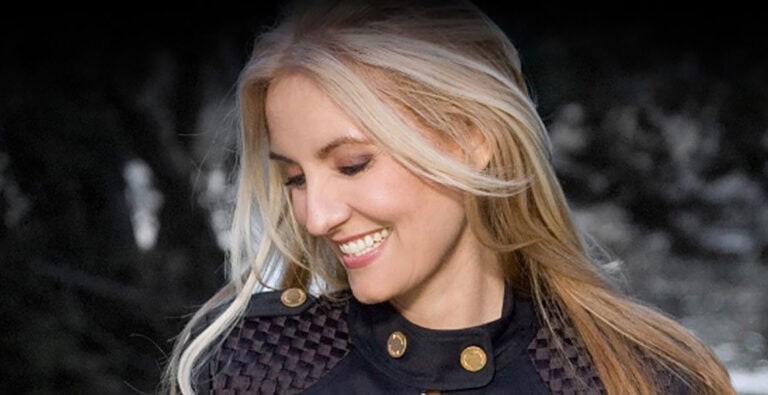
photo by Marie Byers, supplied by Eric Alper














You must be logged in to post a comment.