
Step back in time and discover how Toronto’s vibrant present is rooted in centuries of fascinating stories. If you’ve ever wondered how history toronto shapes the city you see today, you’re in the right place.
This guide is your ticket to exploring the city’s rich and diverse past, especially as it comes alive in 2026. You’ll journey from Indigenous beginnings and colonial roots to iconic landmarks, immersive museums, and special historical events planned for the big year ahead.
Curious about what makes Toronto so unique? Get ready to uncover hidden tales, plan your adventures, and see the city through a brand-new lens.
Toronto’s Origins: From Indigenous Roots to Modern Metropolis
Toronto’s story stretches far beyond its skyline and bustling streets. If you’ve ever wondered what lies beneath the city’s modern surface, you’re in for a fascinating journey. The history toronto holds begins with the land’s earliest caretakers, whose influence is still felt today.
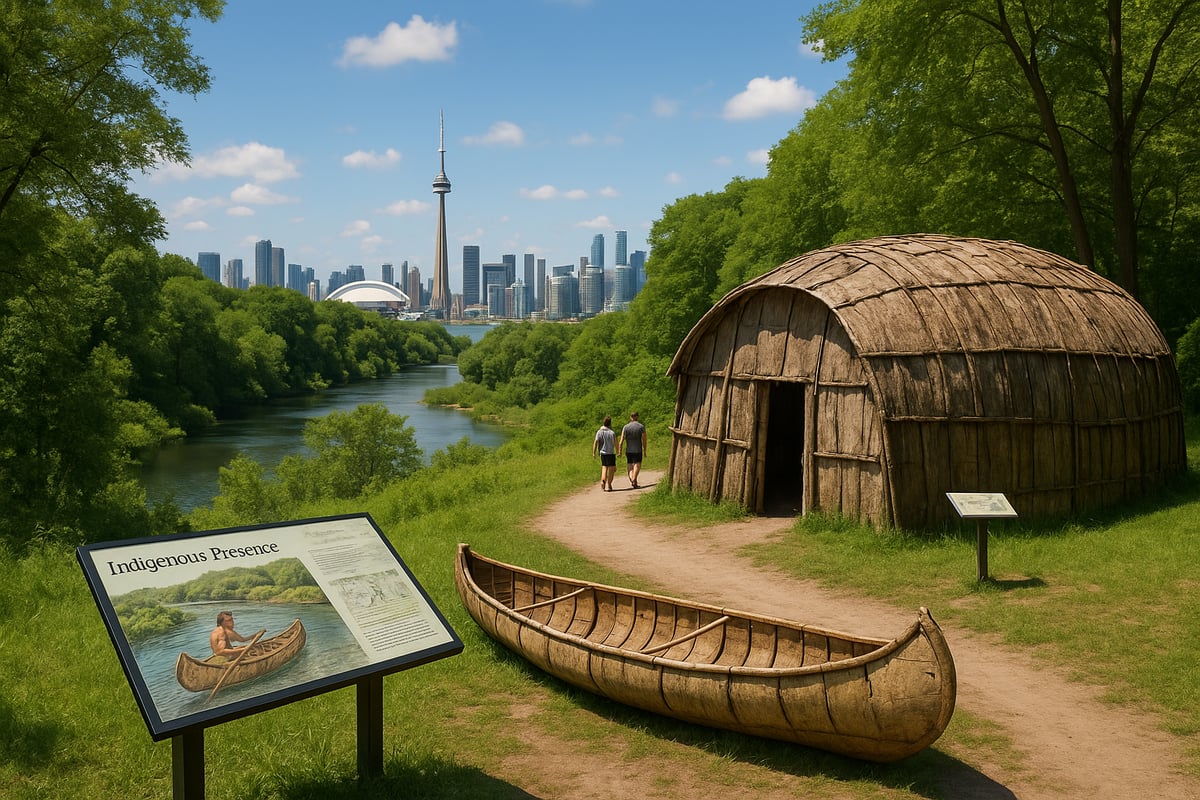
The Land Before Toronto: Indigenous Peoples and Culture
Long before skyscrapers and streetcars, the land that would become Toronto was home to vibrant Indigenous nations. The Mississaugas of the Credit, Haudenosaunee, and Huron-Wendat peoples built thriving communities here, connected by an intricate web of trails and trading routes.
Did you know the name “Toronto” comes from the Mohawk word “Tkaronto,” meaning “where there are trees standing in the water”? This speaks to the deep relationship between the land and its original inhabitants. Archaeological sites across the city, like the Bead Hill village and the Archaeology of Indigenous Peoples in GTA, reveal ancient settlements, burial mounds, and artifacts that tell the story of history toronto from its earliest days.
Today, Toronto honors its Indigenous roots with interpretive plaques, public art, and special programming at places like Fort York. The city is now home to over 70,000 Indigenous people, according to the 2021 census. When you explore history toronto, you’re invited to connect with these living traditions and stories at every turn.
Colonial Settlement and the Birth of York
The next chapter in history toronto began in the 18th century, when French and British settlers arrived seeking strategic and economic opportunities. The French established Fort Rouillé, while the British later built Fort York in 1793 to defend Upper Canada.
The settlement, then called York, grew rapidly. The War of 1812 left its mark, with battles fought on local soil and Fort York playing a pivotal role. By 1834, York officially became Toronto, ushering in new growth and possibilities.
You can still find echoes of this era today. Colonial architecture like Campbell House and Scadding Cabin stand as reminders of the past. Fort York National Historic Site brings history toronto to life with living history events and engaging exhibits. This period of colonial settlement laid the foundations for Toronto’s multicultural identity, as new arrivals from Europe and beyond began to shape the city’s character.
Toronto’s Growth Through the 19th and 20th Centuries
As the decades rolled on, history toronto transformed with waves of industry and immigration. Factories sprang up, drawing workers from Ireland, Italy, China, the Caribbean, and many other places. These newcomers created lively neighborhoods such as The Annex, Kensington Market, and Cabbagetown.
The Great Fire of 1904 devastated much of downtown, but Torontonians rebuilt with determination. Milestones like Confederation in 1867, the spread of streetcars, and the rise of the city’s iconic skyline marked Toronto’s evolution.
If you love old photographs and artifacts, the City of Toronto Archives offers a treasure trove from this dynamic era. Through all these changes, the city’s hallmark became its diversity. The layers of history toronto are visible in its people, streets, and stories, making it a place where the past and present truly come together.
Iconic Historical Landmarks and Heritage Sites
Toronto is a city where every corner tells a story. If you are curious about the history toronto celebrates, these landmarks and heritage sites offer a fascinating window into the past. Whether you are a first-time visitor or a lifelong local, each destination brings a unique slice of the city’s journey to life.
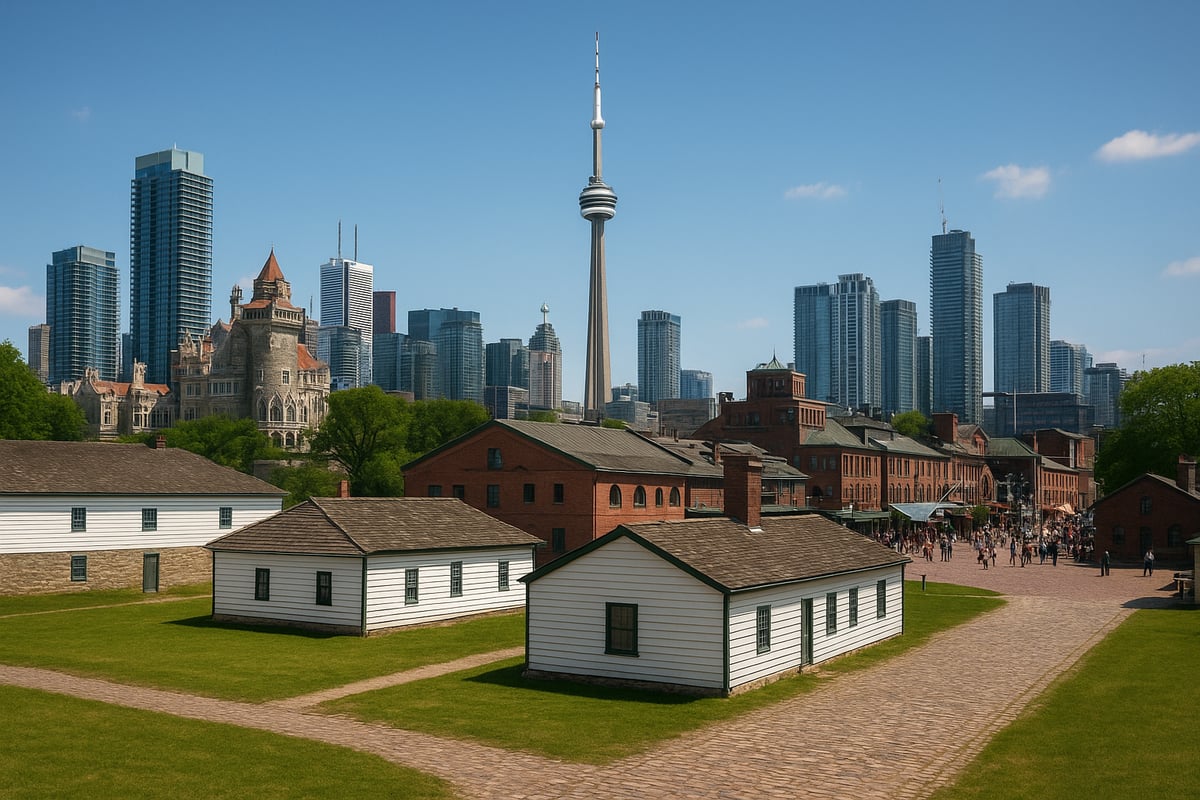
Fort York National Historic Site
Fort York stands as a powerful symbol of history toronto holds dear. Built in 1793 to guard the entrance to Toronto Harbour, it played a crucial role during the War of 1812. Today, its restored ramparts, blockhouses, and cannons invite you to step into the shoes of early soldiers and settlers.
Visitors in 2026 can look forward to enhanced exhibits and immersive experiences. Fort York’s annual events, like Canada Day celebrations and Indigenous heritage programming, make history feel alive. Guided tours and re-enactments let you witness musket drills and listen to tales of battles that shaped the city. Exploring Fort York is a hands-on way to connect with Toronto’s roots and understand how these events shaped the vibrant metropolis you see today.
Casa Loma: Toronto’s Castle
Casa Loma is unlike any other site in history toronto. Built in 1914 by financier Sir Henry Pellatt, this grand castle boasts soaring towers, secret passageways, and lush gardens. Its Gothic Revival architecture stands as a testament to the city’s bold ambitions at the turn of the 20th century.
Casa Loma’s self-guided tours let you wander through opulent rooms and climb winding staircases. In 2026, special exhibits and themed events will highlight the castle’s role in Toronto’s cultural evolution. Movie buffs will love learning about Casa Loma’s starring appearances in Hollywood films and TV shows. Whether you are exploring the stables or enjoying panoramic city views from the towers, Casa Loma is a must-see for anyone passionate about history toronto celebrates.
Distillery Historic District
The Distillery Historic District is where industrial history toronto meets modern creativity. Once the Gooderham and Worts Distillery, this area has transformed into a lively hub for art, dining, and entertainment. Its cobblestone streets and Victorian-era brick buildings create an atmosphere that feels both timeless and trendy.
Guided heritage walks reveal stories of whiskey barons and factory workers who once powered Toronto’s growth. In 2026, the district’s festival calendar will be packed with events like the Toronto Light Festival and the beloved Christmas Market. Whether you are browsing art galleries or sampling local treats, the Distillery District is a living example of how history toronto is woven into daily life.
St. Lawrence Market and Old Town Toronto
St. Lawrence Market is a cornerstone of history toronto. Established in 1803, it has served as the city’s bustling marketplace for over two centuries. The South Market building, with its soaring ceilings and historic charm, is the perfect spot to sample Toronto’s culinary traditions.
Food lovers can join guided tours or cooking classes to discover how different cultures have shaped the city’s flavors. Farmers’ markets bring together local producers and artisans, while heritage plaques and walking tours reveal the stories behind Old Town’s churches and civic buildings. Exploring this area, you will see how history toronto is preserved through food, architecture, and community spirit.
Mackenzie House and Other Notable Sites
Mackenzie House, the former home of Toronto’s first mayor, William Lyon Mackenzie, is a hidden gem in the heart of the city. Step inside for a glimpse of Victorian urban life, complete with a working 19th-century printing press and costumed interpreters. For those wanting more detail, the Mackenzie House museum offers deeper insights into the site’s significance.
Beyond Mackenzie House, you will find treasures like Spadina Museum, Osgoode Hall, Campbell House, and seasonal Victorian-themed events. These sites illustrate how history toronto is not just about the past, but about the stories we continue to share and celebrate. Whether you are exploring elegant ballrooms or wandering leafy gardens, each landmark has a place in the city’s collective memory.
Museums and Institutions Preserving Toronto’s Past
Curious about where you can uncover the layers of history toronto? The city’s museums and archives are like time machines, letting you step into different eras and cultures. Whether you’re a fan of ancient artifacts, love interactive science, or want to connect with Toronto’s diverse heritage, there’s something for everyone.
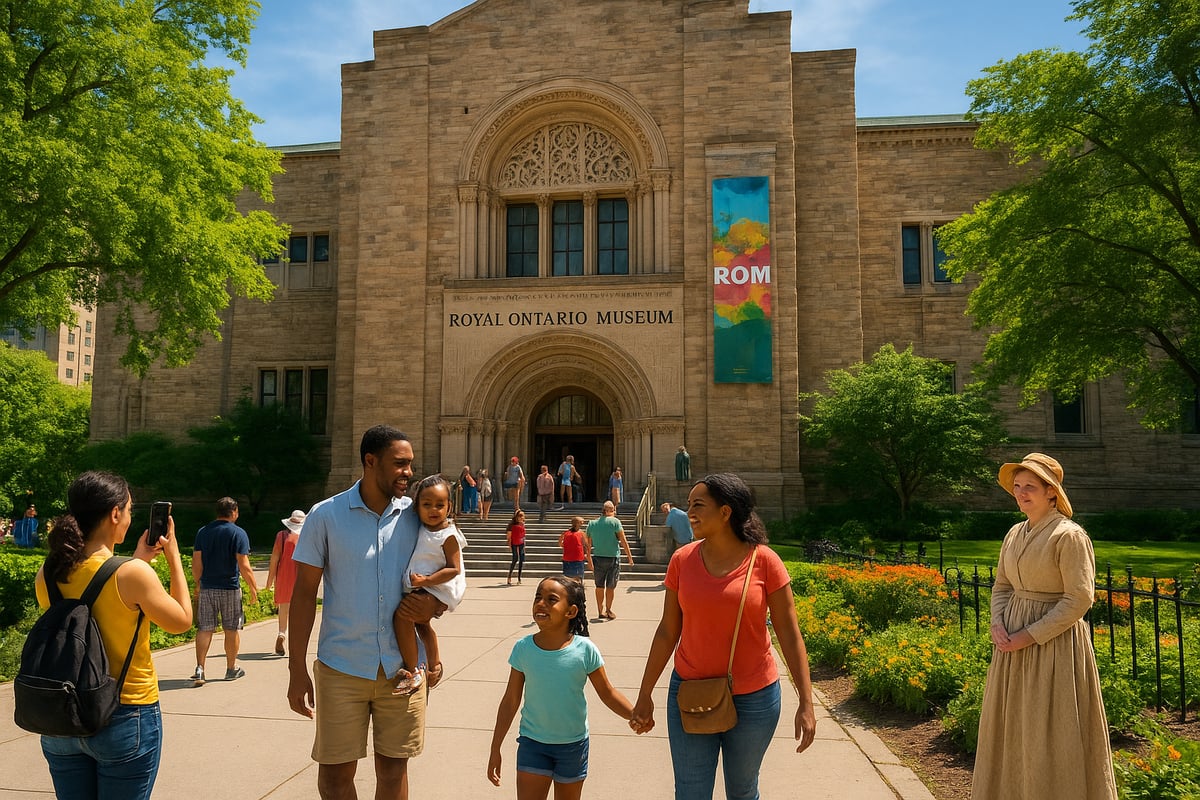
Royal Ontario Museum (ROM)
The Royal Ontario Museum is a cornerstone for anyone interested in history toronto. Its galleries bring together everything from dinosaur fossils to Indigenous artifacts, making it one of Canada’s largest and most diverse museums.
In 2026, you’ll find special exhibits spotlighting the city’s evolving story, plus hands-on programs perfect for families and curious explorers. The ROM’s Canadian galleries house treasures that connect Toronto’s Indigenous roots to its global present. Whether you’re gazing at ancient tools or marveling at contemporary art, you’ll see how history toronto is always alive and relevant.
City of Toronto Archives
Ever wondered what Toronto looked like a century ago? The City of Toronto Archives lets you dive into the visual and written records of the city’s past. Here, you can browse historic photographs, maps, and documents that reveal the transformation of neighborhoods over time.
Planning a deep dive into history toronto? The Archives offers digitized collections and online tools to help you trace your family or street’s story. They also host rotating exhibits like “Toronto Through the Ages,” and you can stay updated on new discoveries and events by following Toronto heritage news and updates.
Ontario Science Centre and the Evolution of Innovation
The Ontario Science Centre has inspired generations with its interactive approach to science and technology. Since opening in 1969, it’s celebrated the spirit of innovation that’s part of history toronto.
Exhibits explore everything from the city’s industrial milestones to the digital revolution. In 2026, look out for renovated spaces and new hands-on experiences that connect Toronto’s scientific achievements to everyday life. The Science Centre makes learning about history toronto fun, especially for families and school groups.
Black Creek Pioneer Village
Want to travel back to 19th-century Ontario? Black Creek Pioneer Village is your ticket. This living history museum recreates rural life with over 40 heritage buildings, costumed interpreters, and working farms.
You can join seasonal events like the maple syrup festival, try your hand at pioneer crafts, or watch a blacksmith at work. School programs and immersive workshops help kids and adults experience history toronto firsthand. It’s a place where stories come alive, from the smell of fresh bread to the clang of old tools.
Aga Khan Museum and Multicultural Heritage
The Aga Khan Museum shines a spotlight on the multicultural fabric of history toronto. With a focus on Islamic art and culture, it hosts rotating exhibits and community events that reveal Toronto’s role as a crossroads of the world.
In 2026, look for special programs like the “Toronto Mosaic” exhibit, celebrating the city’s immigrant journeys. The museum’s architecture is stunning, and its events invite you to explore how global influences have shaped history toronto. It’s a welcoming space to discover the city’s connections beyond its borders.
Exploring Toronto’s History in 2026: Events, Tours, and Experiences
Curious about how to make the most of history toronto in 2026? Whether you’re a lifelong local or a first-time visitor, this year is packed with unforgettable ways to step into the city’s past. Let’s dive into the celebrations, tours, and experiences that will bring Toronto’s story to life in fresh and interactive ways.
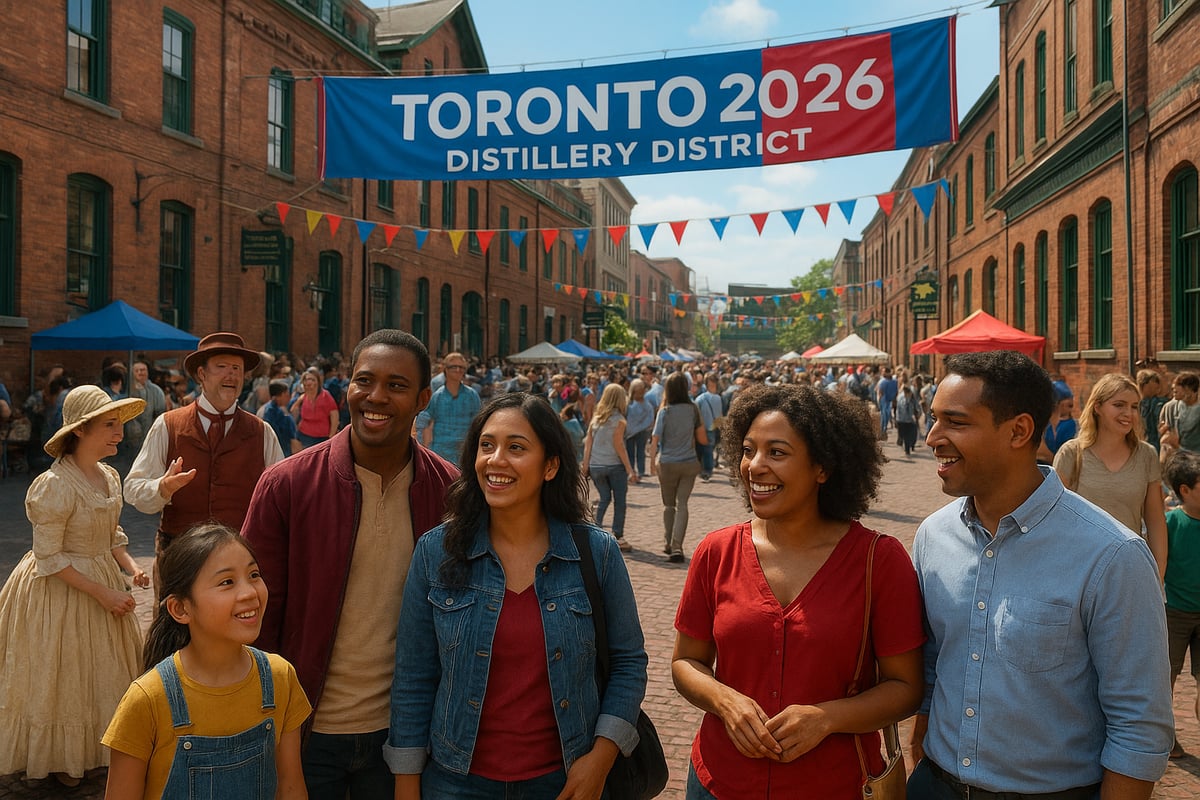
Major Historical Events and Anniversaries in 2026
2026 is a banner year for history toronto, with the city marking several key milestones. You’ll find festivals, parades, and commemorations across Toronto, each reflecting a unique chapter of its past.
Here’s a quick look at some of the biggest highlights:
| Event | Date | Description |
|---|---|---|
| Fort York Bicentennial | June 2026 | Historical re-enactments, music, and food fairs |
| Distillery District Festival | July 2026 | Victorian markets, live performances, art shows |
| Toronto Incorporation Day | March 2026 | City-wide heritage walks and public talks |
| St. Lawrence Market Fair | September 2026 | Culinary demos, history tours, local farmers |
Expect record attendance, with past festivals drawing over 200,000 visitors citywide. If you love history toronto, these events are a must for your calendar.
Guided Walking Tours and Self-Guided Adventures
One of the best ways to immerse yourself in history toronto is on foot. In 2026, dozens of themed walking tours will wind through Old Town, the Waterfront, Kensington Market, and more. Whether you join a Heritage Toronto-led stroll or download an app for a self-paced jaunt, there’s a route for every interest.
Popular options include:
- Jane’s Walks for community stories
- Multicultural food history tours in Kensington Market
- Waterfront architecture walks
Planning your route? Check out Getting around historic Toronto for tips on transit and walking options between sites. This makes it easy to explore multiple history toronto neighborhoods in a single day.
Interactive and Immersive Experiences
Ready to do more than just look and listen? History toronto comes alive in 2026 with hands-on and tech-driven experiences. Step into the past at Fort York or Black Creek Pioneer Village, where re-enactors and costumed interpreters recreate daily life from centuries ago.
Try out:
- Augmented reality (AR) apps that reveal hidden stories at the Distillery District
- Virtual reality (VR) timelines at major museums
- Hands-on workshops in printing, blacksmithing, or historic cooking
No matter your age, these interactive moments add a personal twist to your history toronto adventure.
Family-Friendly Historical Activities
Bringing the kids along? 2026 makes it easy to share history toronto with the whole family. Museums and heritage sites across the city are hosting scavenger hunts, children’s programs, and day camps designed to spark curiosity.
Look out for:
- ROMKids camps and interactive exhibits
- Spadina Museum’s “History Detectives” activities
- School break workshops at Black Creek Pioneer Village
These programs make history toronto fun, memorable, and educational for everyone.
Accessibility and Inclusivity in Historical Exploration
Exploring history toronto should be possible for all. In 2026, major sites are rolling out barrier-free access, including ramps, elevators, and tactile displays. Multilingual tours and resources help visitors from all backgrounds feel welcome.
Spotlight on inclusivity:
- Indigenous-led tours highlighting First Nations history
- LGBTQ+ history walks in the Village
- Audio guides and sign language support at museums
With these initiatives, history toronto is opening its doors wider than ever, ensuring every voice and story is celebrated.
Neighborhoods Steeped in History: Where to Wander
Ready to walk in the footsteps of the past? Toronto’s neighborhoods are like living museums, each telling a unique story. If you want to experience history toronto firsthand, these districts are the perfect places to start your journey.
Old Town and St. Lawrence
Old Town is where history toronto comes alive with every step. You’ll find charming cobblestone streets, stately churches, and the heartbeat of market culture. St. Lawrence Market, a fixture since 1803, is a must-visit for food lovers and history buffs alike.
Key highlights in this area include:
- St. James Cathedral, a masterpiece of Gothic Revival architecture
- St. Lawrence Hall, once the city’s grand social hub
- Heritage plaques marking important events and figures
Wandering here, you can almost hear the echoes of early settlers and traders. For those curious about Toronto’s ancient past, the city’s Indigenous heritage is also commemorated nearby, such as at the Taber Hill burial mound, which provides deep insight into the region’s earliest residents.
The Annex and University of Toronto
The Annex offers a glimpse into the architectural beauty that defines history toronto. Walk leafy streets lined with Victorian and Edwardian homes, and you’ll feel transported to another era. The University of Toronto’s campus is a highlight, featuring landmarks like Convocation Hall and Soldiers’ Tower.
This neighborhood is also steeped in literary and political history. Did you know Margaret Atwood found inspiration here? Take a stroll and discover:
- Historic college buildings
- Quaint cafes in century-old row houses
- Bustling student life with a backdrop of tradition
Exploring The Annex, you’ll sense how the past and present blend seamlessly in this vibrant part of the city.
Kensington Market and Chinatown
When you think of multiculturalism and history toronto, Kensington Market and Chinatown immediately come to mind. These neighborhoods have been home to generations of immigrants who shaped the city’s character.
What makes them special?
- Colorful murals telling stories of migration
- Vintage shops and independent grocers in heritage buildings
- Food tours that trace the city’s culinary evolution
Walking here, you’ll experience a living tapestry of cultures and traditions. Every corner reveals a new chapter in Toronto’s immigrant history, making this area a must for curious explorers.
Cabbagetown and Riverdale
Cabbagetown and Riverdale are living reminders of working-class roots in history toronto. Picture rows of 19th-century cottages, lovingly restored and preserved, nestled among leafy streets. Annual events like the Cabbagetown Festival celebrate local pride and heritage.
Highlights include:
- Riverdale Farm, an authentic slice of rural life in the heart of the city
- Community gardens and heritage homes
- Preservation efforts by passionate residents
This area also connects to Toronto’s earliest days, with ties to Indigenous and early settler sites close by. Exploring Cabbagetown and Riverdale offers a window into both the struggles and triumphs of the city’s past.
The Junction and West Toronto
The Junction is where industry and creativity meet in history toronto. Once a bustling railway hub, today it’s a hotspot for artisanal shops, galleries, and cafes housed in beautifully restored factories.
What should you look for?
- Vibrant street festivals like the Summer Solstice Festival
- Historic railway buildings repurposed for modern use
- Unique boutiques in former industrial spaces
As you wander, you’ll see how this neighborhood has transformed while holding onto its roots. The Junction’s evolution is a testament to Toronto’s resilience and spirit of innovation.
Planning Your History-Focused Visit: Tips and Resources
Getting ready for your own history toronto adventure? It’s all about making the most of your experience, from how you get around to where you stay and how to catch every must-see event. Here’s your go-to guide for planning a trip that’s as rich and memorable as the stories you’ll uncover.
Getting Around: Transit and Accessibility
Exploring history toronto is easy, thanks to the city’s reliable public transit system. The TTC subway, streetcars, and buses connect you to major historical sites like Fort York, Casa Loma, and the Distillery District.
If you love the outdoors, consider biking or walking through heritage neighborhoods. Many areas have dedicated bike lanes and pedestrian-friendly routes. Accessibility is a top priority at most museums and landmarks, with ramps, elevators, and accessible washrooms available.
For convenience, grab a Presto card for seamless travel across transit options. You’ll also find city cycling maps online, making it simple to plan your journey through history toronto neighborhoods.
Best Times to Visit for History Buffs
Timing your visit can make all the difference when you want to experience the best of history toronto. Spring and fall are prime seasons for heritage festivals, walking tours, and re-enactments. These months offer comfortable weather and fewer crowds.
If you’re planning outdoor activities, checking the Toronto weather for heritage tours can help you pack smart and avoid surprises. Off-peak times, like winter or early spring, often feature special programming and quieter museums. No matter when you visit, history toronto always has something happening for curious minds.
Budgeting for a Historical Adventure
You don’t have to break the bank to enjoy history toronto. Many museums offer free admission days, and you’ll find discounts for students, families, and seniors. Consider a Toronto CityPASS if you plan to visit multiple attractions—it bundles top sites at a lower price.
Here’s a quick look at typical costs:
| Experience | Price Range (CAD) |
|---|---|
| Museum Admission | $0–$25 |
| Guided Walking Tour | $10–$25 |
| Heritage Festival Entry | Free–$20 |
| CityPASS (multiple sites) | ~$90 |
With a little planning, you can craft a memorable history toronto experience on any budget.
Where to Stay: Historic Hotels and Unique Accommodations
Why not immerse yourself in history toronto by staying somewhere with its own story? Boutique hotels housed in heritage buildings offer charm and character you won’t find elsewhere. The Omni King Edward Hotel, for example, boasts a storied past and elegant architecture.
If you prefer a more local vibe, check out Airbnb options in historic neighborhoods like Cabbagetown or the Annex. Some properties even highlight their own connections to history toronto, making your stay feel like a living part of the city’s legacy.
Essential Resources and Further Reading
To get the most out of your history toronto journey, tap into official tourism and heritage websites. Heritage Toronto’s online archives are packed with maps, event listings, and fascinating stories. Dive into books, documentaries, or podcasts focused on the city’s past for extra context.
For self-guided explorations, downloadable maps and mobile apps bring history toronto’s neighborhoods to life. Whether you’re a casual visitor or a dedicated researcher, these resources help you dig deeper into what makes the city unique.
Staying Up-to-Date with Toronto’s Historical Scene
History toronto is always evolving, with new events, exhibits, and tours popping up year-round. Subscribe to museum newsletters and event calendars so you never miss out. Following Heritage Toronto and the City of Toronto on Instagram or Twitter is a great way to get instant updates and behind-the-scenes peeks.
Many organizations offer real-time alerts for special programming and ticket releases. Staying plugged in ensures your history toronto adventure is always current and packed with the latest discoveries.
So now that you’ve got your roadmap to exploring Toronto’s incredible history in 2026, why not keep the adventure going with the city’s vibrant food scene? After a day of wandering through heritage neighborhoods and discovering hidden stories, you’re bound to work up an appetite. Whether you’re craving a classic slice or want to try something a little more avant garde, you don’t have to look far—Toronto’s pizza is legendary. Curious about where to grab your next bite? Check out Try The Best Pizza In Toronto and see which spots deserve a place on your own historical tour.