

A good meal is expected. A memorable one is engineered. Guests remember how the room felt, how fast a problem got fixed, and whether staff seemed present.
Map every touchpoint. Start with discovery, then booking, arrival, seating, ordering, service, payment, and follow-up. Each step either adds friction or removes it.
Pick three moments to own. Most operators choose the first ten seconds at the door, the first drink on the table, and the exit. People weigh beginnings and endings heavily.
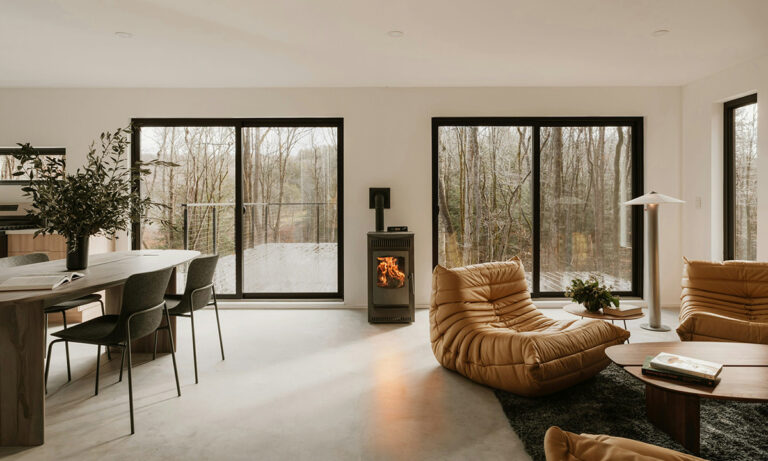
Design the Room With Intent
Lighting does more work than most owners expect. Aim for warm light between 2200K and 2700K at the table. Keep brighter task lighting at the host stand and the pass.
Signage sets the tone before anyone sits down. Many operators now use customizable neon signs to carry a brand message, mark a bar zone, or create a photo spot. Match the color temperature to your dining room lighting. Check brightness after dark so the sign does not glare through windows.
Sound is the next variable. Measure it with a basic decibel app during peak service. Target 70 to 75 dB in a full room. Above 80 dB, guests talk louder, lean in, and leave sooner.
Seating shapes mood too. Allow 15 to 20 square feet per seat in casual full-service dining. Tight layouts raise noise and slow servers.

Build Service Around Consistency
Train for behaviours, not scripts. A server who reads the table adapts. One who recites lines does not.
Use a short standard for every shift. Brief the team before service on these points:
- Allergens and menu changes for the day
- Pacing targets for each course
- Section ownership and who handles recoveries
- A greeting within 30 seconds and drinks within two minutes
Recovery matters more than perfection. Fix the error first. Then offer something small. A comped dessert beats a long apology.
Personalize the Dining Experience
Personalization helps restaurants develop stronger relationships with customers. Remembering dietary preferences, acknowledging special occasions, and offering suitable menu recommendations can make guests feel valued.
Customer relationship management (CRM) systems can help organize reservation histories, feedback, and loyalty information. However, restaurants should collect only relevant customer data and handle it responsibly.
Control the Menu and Kitchen Flow
A tight menu improves speed and quality. Cut items that share few ingredients. Most casual concepts run well with 8 to 12 mains.
Track kitchen metrics weekly. Watch these numbers:
- Ticket time from fire to pass
- Food cost percentage, ideally near 28% to 35%
- Remake rate per 100 covers
- Table turn time by day part
Plating must be repeatable. Post photo guides at the pass. Have the expediter check the first plate of each dish every shift.
Use Technology Without Losing the Human Touch
Tablets, QR menus, and POS prompts save time. They also remove contact. Keep tech for payment and reorders. Keep people for greetings and recommendations.
Capture guest data with care. Log allergies, birthdays, and preferred tables in your reservation system. Use the notes quietly. Never announce that you track them.
Delivery and catering extend the experience beyond your walls. Late or cold orders damage a brand fast. Drivers can use a free route planner tool to batch stops and cut drive time. Shorter routes mean hotter food and fewer refunds.
Measure Performance and Improve Continuously
A memorable dining experience requires ongoing evaluation. Restaurant managers should track customer satisfaction alongside operational performance.
Useful performance indicators include customer retention, average table turnover time, order accuracy, average transaction value, complaint resolution time, and online review ratings.
Compare results across different shifts and service periods. For example, longer waiting times during weekend dinners may indicate insufficient staffing or inefficient kitchen workflows. Address the underlying cause rather than simply asking employees to work faster.
Customer feedback should also influence menu development, staff training, and interior improvements. Regular performance reviews help restaurants maintain standards as customer expectations change.
Measure What Guests Say
Reviews are raw data. Tag comments by theme, such as wait time, noise, value, or food temperature. Patterns usually surface within a month.
Value is the pressure point. Restaurants Canada’s 2025 Foodservice Facts report found that three in four Canadians are eating out less often because of the cost of living. Guests who spend less want proof the visit was worth it. Consistency delivers that proof.
Run a short post-visit survey. Ask two rating questions, one for the meal and one for service. Add one open text field. Longer forms get abandoned.
Keep Improving
Walk the guest path yourself each month. Sit at the worst table. Order delivery from your own menu. Note what feels off.
Memorable experiences come from small, repeated details. Fix one friction point each week. Guests notice the pattern even when they cannot name it.
contributed post






You must be logged in to post a comment.