
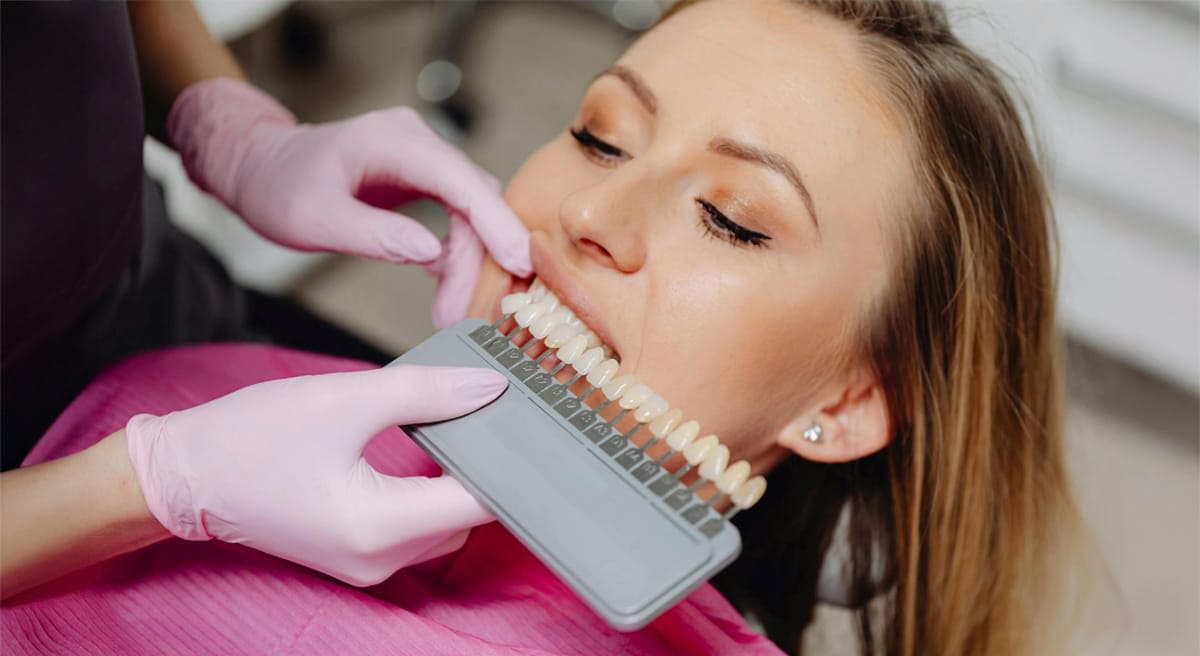
The quest for a brighter smile drives millions to explore teeth whitening options each year. From professional treatments to DIY remedies shared on social media, the range of available methods continues to expand. Not all approaches deliver the promised results, and some carry significant risks to dental health. Understanding which techniques genuinely work and which ones to avoid helps protect both your investment and your enamel. This guide separates evidence-based solutions from marketing hype and potentially harmful trends.
Professional in-office treatments deliver predictable results
Dental clinics offer the most reliable teeth whitening solutions through controlled procedures performed by licensed professionals. These treatments use higher concentrations of bleaching agents than over-the-counter products, applied under strict supervision to minimize risks. A typical session lasts between 60 and 90 minutes, with results visible immediately after the first appointment. The dentist protects your gums and soft tissues before applying the whitening gel, ensuring even coverage across all visible tooth surfaces. Multiple sessions may be recommended for severe discoloration, but many patients achieve their desired shade in a single visit.
Custom take-home trays balance convenience with effectiveness
Dentist-supervised home whitening kits provide a middle ground between professional treatments and drugstore products. Custom-fitted trays ensure the bleaching gel contacts teeth evenly without irritating surrounding tissues. The dentist provides specific instructions on application duration and frequency based on your initial tooth shade and sensitivity level. Treatment typically spans two to four weeks, with gradual lightening that appears more natural than single-session procedures. This option suits patients who prefer whitening at their own pace while maintaining professional oversight throughout the process.
Over-the-counter strips show limited but measurable improvement
Pharmacy whitening strips contain lower concentrations of active ingredients compared to professional products, which limits their effectiveness but also reduces sensitivity risks. Users apply thin plastic strips coated with peroxide gel to their teeth for 30 minutes daily over several weeks. Results vary significantly depending on original tooth color and stain type, with surface discoloration responding better than deep intrinsic stains. The strips may not conform well to all tooth shapes, potentially creating uneven whitening or missing areas between teeth entirely. Realistic expectations prevent disappointment with this budget-friendly option.
Charcoal-based products risk enamel damage without proven benefits
Abrasive particles wear down protective tooth surfaces
Activated charcoal toothpastes and powders gained popularity through social media endorsements despite lacking credible scientific support. The coarse particles temporarily remove surface stains through mechanical abrasion rather than chemical bleaching. Regular use wears away enamel, the protective outer layer that cannot regenerate once damaged. Thinner enamel exposes the yellowish dentin underneath, actually making teeth appear darker over time. Dentists consistently warn against these products, noting the irreversible harm they cause. No recognized dental association endorses charcoal for whitening purposes given the risk-benefit ratio.
LED light devices add minimal value to whitening chemistry
Many at-home whitening kits include LED mouthpieces marketed as accelerators for the bleaching process. Current research shows these lights contribute little to the actual whitening effect compared to the gel alone. The peroxide compounds in whitening products break down stains through chemical reactions that occur independently of light exposure. Professional lasers used in dental offices may slightly reduce treatment time, but consumer-grade LED devices lack sufficient intensity to produce meaningful acceleration. Patients often pay premium prices for this feature without receiving proportional benefits, making it an unnecessary expense in most cases.
Natural remedies like lemon juice cause irreversible acid erosion
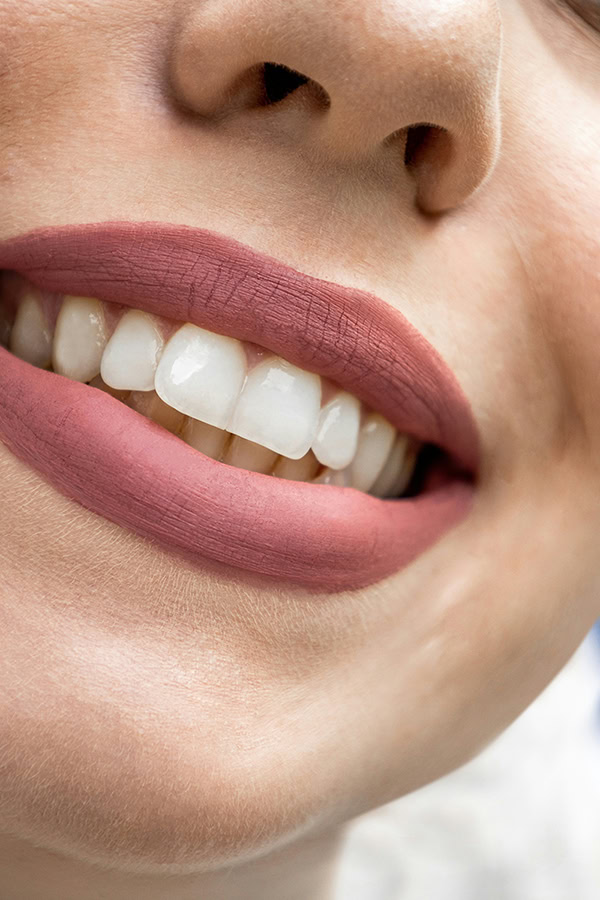
Internet tutorials frequently recommend acidic substances like lemon juice or apple cider vinegar for teeth whitening. These acids dissolve enamel mineral content, creating a rough, porous surface that traps stains more easily than before treatment. The initial whitening effect comes from removing the outer enamel layer, not from genuine stain removal. Once eroded, enamel cannot grow back, leaving teeth permanently vulnerable to sensitivity, decay and further discoloration. Dentists encounter patients with significant damage from these home remedies, requiring expensive restorative work to repair acid-weakened teeth. No short-term cosmetic gain justifies this long-term structural compromise.
Maintenance habits determine how long whitening results last
Even the most effective whitening treatment requires proper aftercare to preserve results. Coffee, red wine, tobacco and deeply pigmented foods gradually re-stain teeth over months following any whitening procedure. Using a straw for staining beverages minimizes contact with front teeth. Regular dental cleanings remove surface buildup before it penetrates deeper into enamel. Touch-up treatments with dentist-approved products maintain brightness without repeating the full whitening process. Realistic expectations acknowledge that teeth naturally darken with age, making periodic maintenance necessary for sustained cosmetic improvement rather than one-time permanent change.












You must be logged in to post a comment.