
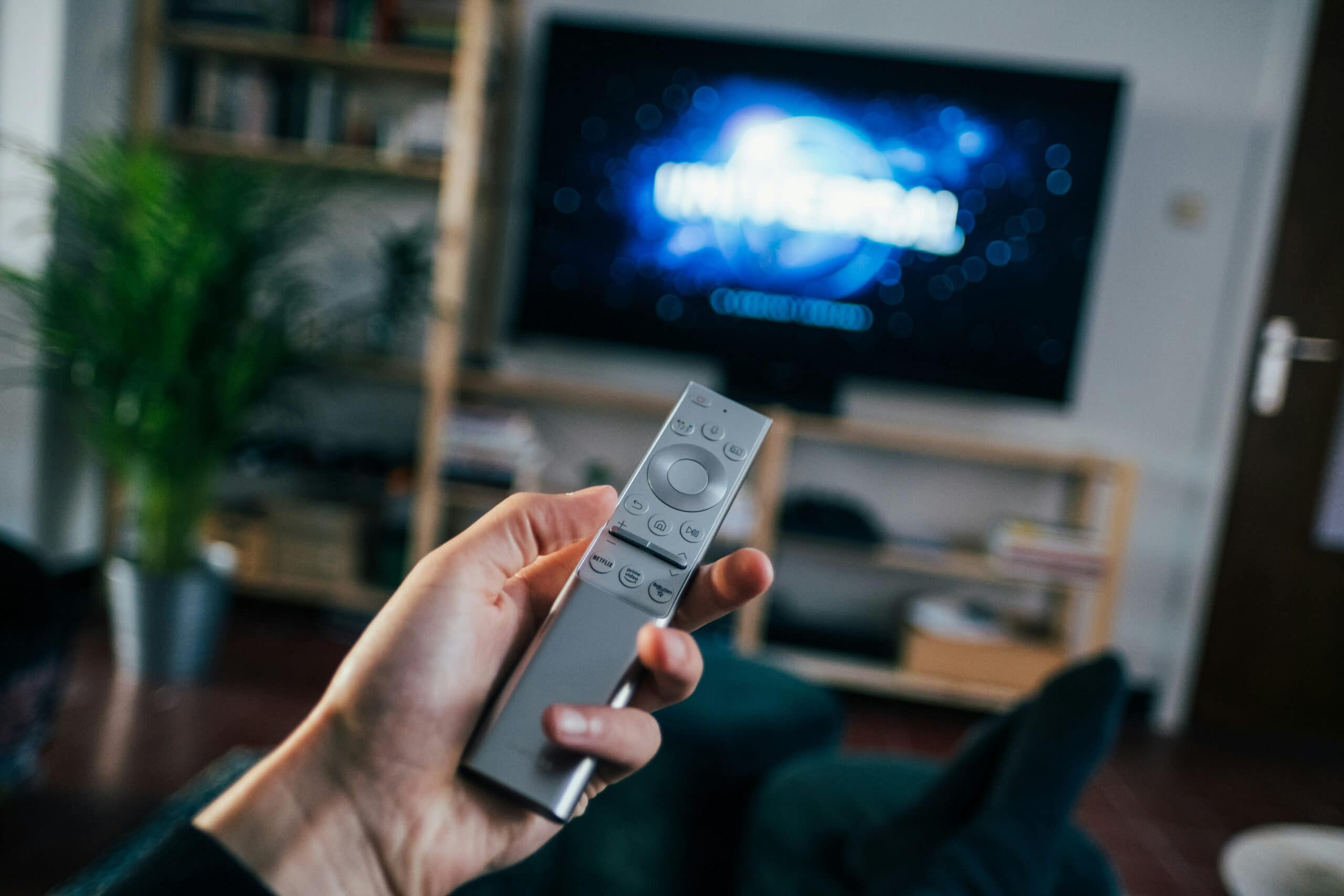
For many households across Toronto and the Greater Toronto Area, the monthly television bill has become another expense competing with groceries, housing, transportation, and other everyday costs. Traditional cable packages can include dozens of channels that family members rarely watch, while premium sports, movie, and entertainment options may require additional fees. In 2026, more consumers are taking a closer look at what they actually watch and whether they need an expensive all-in-one television package to enjoy it.
The shift towards streaming has created more choices for Canadian viewers. Instead of relying on one provider for every channel and programme, households can combine home internet, selected streaming subscriptions, free content, and digital television services. The goal is not simply to cancel cable. It is to build a home entertainment setup that offers the right content, works across household devices, and makes better use of the monthly budget.
For Toronto residents exploring alternatives, services such as TVHood IPTV Canada are part of a wider move towards internet-based television. However, the smartest approach is to compare services carefully, understand the real costs, and choose options that suit the household’s viewing habits.
Why Toronto Households Are Rethinking Traditional Cable in 2026
Cable television once offered a straightforward way to access live news, sports, movies, and entertainment. Today, viewers have more ways to watch. Smart TVs, streaming devices, mobile applications, and internet-based television services have changed how people access content.
A household in North York might mainly watch live sports and local news, while a family in Scarborough may prefer movies, children’s programming, and international channels. Paying for a large package when only a small portion is regularly used can make traditional television less attractive.
The Canadian broadcasting market reflects this changing behaviour. According to the CRTC’s 2026 annual highlights for the 2024–2025 broadcast year, online services accounted for 40% of total broadcasting revenues in 2025. The same report found that the share of Canadian households consuming content exclusively through streaming increased from 29% in 2024 to 33% in 2025.
These figures show that streaming is no longer just an additional entertainment option. It has become a central part of how Canadians watch television.
The Real Cost of Cable: Look Beyond the Advertised Monthly Price
One of the biggest mistakes consumers make when comparing television services is focusing only on the advertised price. A promotional offer may look affordable at first, but the total monthly cost can change when discounts expire or you add services.
Before deciding whether to cancel cable, review the complete household bill. Look for:
- The regular television package price after promotional discounts.
- Equipment rental fees for receivers and additional boxes.
- Extra charges for premium movie or sports channels.
- Installation or activation costs.
- Taxes and other recurring fees.
- Contract terms and early cancellation charges, if applicable.
Also check whether television is included in a wider internet and phone bundle. Removing one part of a bundle may change the price of the remaining services, so ask the provider for a revised quote before making a decision.
Compare the Cost of Different Entertainment Setups
Consider a household that pays for cable television, internet, and several separate streaming subscriptions. It may be possible to reduce the bill by removing channels that are rarely watched and keeping only the services that provide genuine value.
A simple comparison can help:
| Entertainment expense | What to check |
| Traditional cable | Monthly package, equipment and premium channel fees |
| Home internet | Speed, data allowance and regular monthly price |
| Streaming subscriptions | Number of services and how often each is used |
| Digital TV service | Available content, supported devices and subscription terms |
| Extra equipment | Streaming sticks, boxes or additional receivers |
Do not assume that replacing cable with multiple streaming subscriptions will automatically save money. Several small monthly payments can eventually become another expensive package. Review the total cost rather than judging each service separately.
What Canadian Broadcasting Statistics Reveal About Cord-Cutting
The move towards digital entertainment is supported by several national market indicators. These figures do not predict the exact savings of an individual Toronto household, but they help explain why consumers are reconsidering traditional television.
1. More households are choosing streaming-only entertainment
The CRTC reported that the proportion of Canadian households exclusively consuming content through streaming services increased from 29% in 2024 to 33% in 2025.
This represents a four-percentage-point increase in just one year. It suggests that some households are becoming comfortable using online platforms without maintaining a traditional television subscription.
2. Traditional television providers are losing subscribers
The CRTC’s 2026 report found that broadcasting distribution undertaking revenues decreased by an average of 6.1% annually between 2021 and 2025. Subscriber numbers also declined by an average of 3.5% per year over the same period.
This does not mean traditional television has disappeared. Many Canadians still value live programming, local news, and familiar channel packages. However, the market is clearly changing as consumers explore different ways to watch.
3. Lower-priced television packages are attracting attention
The same CRTC report showed that subscriptions to television packages costing $100 or more fell by 26.9% between 2024 and 2025. During that period, subscriptions to packages costing $25 or less increased by 5.2%.
This is an important signal for budget-conscious households. Some viewers are not necessarily abandoning traditional television altogether; they may simply be choosing smaller packages that better match their needs.
4. Canadian internet usage continues to grow
Statistics Canada’s telecommunications data reported that average monthly data usage per high-speed residential internet subscription reached 585.5 GB in 2024, up 9.7% from 2023.
Streaming video, online gaming, video calls, and connected devices all contribute to household internet usage. As more entertainment moves online, a reliable home connection becomes increasingly important.
How to Build a More Affordable Home Entertainment Setup
Cutting cable works best when households plan their replacement setup before cancelling an existing package. The right combination depends on viewing habits, internet quality, devices, and the type of content family members enjoy.
Step 1: Identify What Your Household Actually Watches
Start by reviewing the channels and programmes used during a normal week. Ask each household member which content they would genuinely miss if the cable package disappeared.
For example:
- Sports fans may prioritise live hockey, basketball, football, and other sporting events.
- Families may want children’s programming, movies, and educational content.
- Movie enthusiasts may prefer on-demand libraries and selected streaming subscriptions.
- News viewers may mainly need access to local and national news coverage.
- Multilingual households may value international channels and programming in different languages.
This small exercise can prevent unnecessary subscriptions. A service that offers hundreds of channels is not automatically better if most of them are irrelevant to the household.
Step 2: Choose an Internet Plan That Can Handle Streaming
Internet quality is one of the most important parts of a modern home entertainment setup. A household with one television may have different requirements from a family streaming on three televisions while using laptops, smartphones, and gaming consoles.
As a general starting point, consider these approximate download speeds:
| Streaming activity | Suggested internet speed |
| Standard HD viewing | Around 10 Mbps |
| 4K streaming | Around 25 Mbps |
| Multiple simultaneous streams | More bandwidth may be needed |
| Streaming alongside gaming and video calls | Consider a faster plan |
These are practical estimates rather than guaranteed requirements. Actual performance depends on the streaming service, video quality, Wi-Fi conditions, and the number of connected devices.
Toronto households should also compare internet providers available at their exact address. Fibre, cable, and other broadband options may differ between neighbourhoods and even between buildings.
Step 3: Improve Your Home Wi-Fi Before Buying New Equipment
Buffering is not always caused by a slow internet package. A weak wireless signal, an outdated router, interference, or too many connected devices can also affect streaming quality.
Try these practical improvements:
- Place the router in an open, central location rather than hiding it inside a cabinet.
- Keep the router away from thick walls and large electronic appliances where possible.
- Use a wired Ethernet connection for a television or streaming device when practical.
- Restart the router if the connection becomes unusually slow.
- Check whether other household devices are downloading large files during viewing hours.
- Test internet speed near the television, not only beside the router.
In larger homes or multi-storey properties, a mesh Wi-Fi system may help improve coverage. However, test the existing connection first instead of spending money on equipment that may not be necessary.
Choosing the Right Streaming and Digital TV Services
Once the internet connection is ready, the next step is deciding how to access entertainment. There is no single setup that suits every household.
Some viewers prefer a few individual streaming subscriptions, while others want a service that combines live television and on-demand entertainment. Digital television services can offer another option for households looking to move away from conventional cable packages.
When comparing providers, pay attention to the following details:
- Content selection: Does the service offer the channels, sports, movies, and programmes you actually want?
- Device compatibility: Can you watch through your Smart TV, Fire TV Stick, Android TV device, smartphone, tablet, or computer?
- Streaming quality: Are HD and 4K options available, and what internet connection is recommended?
- Subscription terms: Are there contracts, automatic renewals, cancellation conditions, or refund policies?
- Customer support: Can you contact the provider if installation or playback problems occur?
- Content rights: Does the provider have the appropriate rights to distribute the channels and programmes it offers?
TVHood.ca is one option Toronto-area viewers may wish to evaluate when researching internet-based television. Its website lists live television, movies, series, on-demand content, catch-up features, and support for several device types. It also presents subscription options for different durations and device counts.
As with any television provider, consumers should review the current package details, supported devices, payment terms, and applicable content rights before subscribing. A clear understanding of these details is more valuable than choosing a service based on a large channel count alone.
Smart TVs, Fire TV Sticks, and Other Devices: What Do You Need?

A cord-cutting setup does not always require an expensive television or complicated installation. Many households already own devices capable of accessing online entertainment.
Smart TVs
Modern Smart TVs often include built-in applications and Wi-Fi connectivity. This can make them a convenient starting point because viewers may not need to purchase an additional streaming device.
Check the television’s operating system, available applications, and software update support before selecting a service.
Amazon Fire TV Stick
A Fire TV Stick can add streaming functionality to compatible televisions. It is a practical option for viewers who want to access supported applications without replacing an older television.
Before purchasing one, confirm that the required applications are available and compatible with the device model.
Android TV and Mobile Devices
Android TV devices, smartphones, and tablets provide additional flexibility. They can be useful for households where family members watch different programmes in different rooms or while travelling.
Some services also support Windows and Mac computers, giving viewers another way to access entertainment.
Make Device Compatibility Part of Your Budget
Before buying new equipment, check what you already own. If the television supports the required applications and delivers a reliable picture, an additional streaming box may be unnecessary.
A sensible upgrade plan should focus on solving a real problem rather than purchasing devices simply because they are advertised as newer.
A Practical Cord-Cutting Plan for Toronto Residents
Moving away from cable does not need to happen overnight. A gradual approach gives households time to test their internet connection, compare services, and avoid losing access to important programming.
Follow this simple plan:
- Review your current bill: Identify the full monthly cost of cable, equipment, premium channels, and internet.
- List essential channels and programmes: Separate must-have content from channels that are rarely watched.
- Compare internet options: Check available providers, speeds, data allowances, and regular prices at your address.
- Check your devices: Confirm whether your existing television or streaming equipment supports the services you are considering.
- Test the new setup: Where a trial is available, use it to check picture quality, channel availability, and device performance.
- Review subscription terms: Understand renewal, cancellation, refund, and payment conditions.
- Cancel carefully: Confirm the final billing date, equipment return requirements, and any remaining contract obligations with your cable provider.
This approach reduces the risk of cancelling a service before the replacement setup is ready.
Is Cutting Cable Always the Cheapest Option?
Not necessarily. Cord-cutting can reduce costs, but the final result depends on how many services a household subscribes to.
A family that replaces one cable package with five separate streaming subscriptions may not save much. Another household that keeps a suitable internet plan, selects one or two entertainment services, and uses free legal content may see a more noticeable difference.
It is also important to consider the value of live television. Sports fans, for example, may need access to specific events or channels that are not included in every streaming subscription. Before cancelling cable, check whether the programmes you regularly watch are available through a suitable alternative.
The best entertainment setup is not the one with the most channels or the lowest advertised price. It is the one that provides the content your household values without unnecessary monthly expenses.
A Smarter Way to Enjoy Home Entertainment in 2026
For Toronto residents, cutting cable is about more than following a technology trend. It is an opportunity to reconsider how the household spends money on television and entertainment. By reviewing existing bills, choosing an appropriate internet plan, improving Wi-Fi performance, and comparing digital services, consumers can create a setup that better matches their needs.
The Canadian market is already moving towards online entertainment, but every household has different priorities. Some will prefer a small number of streaming subscriptions, while others may want a combination of live television and on-demand content. Taking time to compare the options, check service terms, and test device compatibility can help avoid unnecessary expenses.
A better home entertainment experience does not have to mean paying for more channels or buying the newest equipment. It starts with understanding what you watch, what you need, and which services genuinely deliver value. So, before your next cable bill arrives, is it time to build a home entertainment setup that works better for your household and your budget?
Frequently Asked Questions
Can Toronto residents watch television without a traditional cable subscription?
Yes. Households can use internet-based streaming platforms, supported digital television services, free online content, and selected subscriptions. The right combination depends on the programmes and channels they want to access.
What internet speed is needed for streaming in Toronto?
Around 10 Mbps is a useful starting point for HD streaming, while 25 Mbps or more is commonly recommended for a single 4K stream. Households with multiple televisions and connected devices may need a faster plan.
Which devices can be used for digital television?
Depending on the provider, compatible devices may include Smart TVs, Amazon Fire TV Stick, Android TV, Android and iOS smartphones and tablets, Windows computers, Mac computers, and supported television boxes. Always confirm compatibility before subscribing.
Is TVHood IPTV Canada an option for households exploring cable alternatives?
TVHood IPTV Canada is a digital television service that lists live channels, movies, series, on-demand content, and support for multiple device types. Toronto viewers considering it should review its current packages, supported devices, subscription conditions, and content distribution rights before making a decision.
Should I cancel cable before choosing a streaming service?
It is usually better to compare alternatives first. Check whether the replacement service offers the programmes you need, test your internet connection, and understand your cable provider’s cancellation and equipment-return requirements before ending the existing subscription. If you are considering TVHood, you can request a free trial through support and review the 30-day money-back guarantee before you commit, so you can confirm it works on your devices while your cable is still active.
How can I avoid spending more on streaming subscriptions?
Start with a list of the programmes your household watches most often. Subscribe only to services that provide meaningful value, review recurring payments regularly, and cancel subscriptions that are no longer being used.
contributed post
Disclaimer: This article is for general informational and entertainment purposes only and does not constitute legal advice. Toronto Times does not own, operate, or control any IPTV service mentioned, and we make no guarantees about the reliability, quality, security, or continued availability of any provider. IPTV technology itself is legal, but not every IPTV service is. Some providers stream channels, sports, or on-demand content without the rights holders’ permission, and subscribing to or using unlicensed services may infringe copyright law in Canada and elsewhere. Before signing up, readers are responsible for confirming that a provider holds the proper licences for the content it offers and that its use is lawful where they live. Toronto Times does not condone or encourage piracy or access to unauthorized content.













You must be logged in to post a comment.