
From rugged coastlines to prairie skies and alpine peaks, Canada rewards travellers who take time to plan their journeys thoughtfully. This guide brings together practical advice, seasonal insights, and a shortlist of standout destinations to help you craft a smooth, memorable trip across the country. Whether you’re road-tripping between small towns or connecting major hubs by air and rail, you’ll find suggestions suited to Canadian conditions. Expect clear logistics, cultural highlights, and tips that work for both first-time visitors and seasoned domestic explorers.
Why Travel Within Canada?
Domestic travel in Canada offers an extraordinary range of experiences without the added complexity of international borders. You can wander centuries-old streets in Québec City, hike among turquoise lakes in the Rockies, or explore Indigenous-led cultural sites — all within a single itinerary if time allows. English and French are widely spoken, and major destinations are well connected by air, making long distances more manageable.
Seasonality shapes Canadian travel. Summers bring long daylight hours ideal for festivals, coastal drives, and mountain trails. Winter unlocks world-class skiing, northern lights viewing, and city breaks rich with museums and cuisine, while long transit journeys across time zones often encourage travellers to unwind with digital entertainment like the Bsg slot between destinations. Spring serves as a peaceful shoulder season across many regions: quieter, often more affordable, and a prime time for wildlife viewing along the West Coast. With some planning around weather and transit, staying within Canada can be both convenient and deeply rewarding.
Top Destinations to Visit in Canada
Banff National Park, Alberta
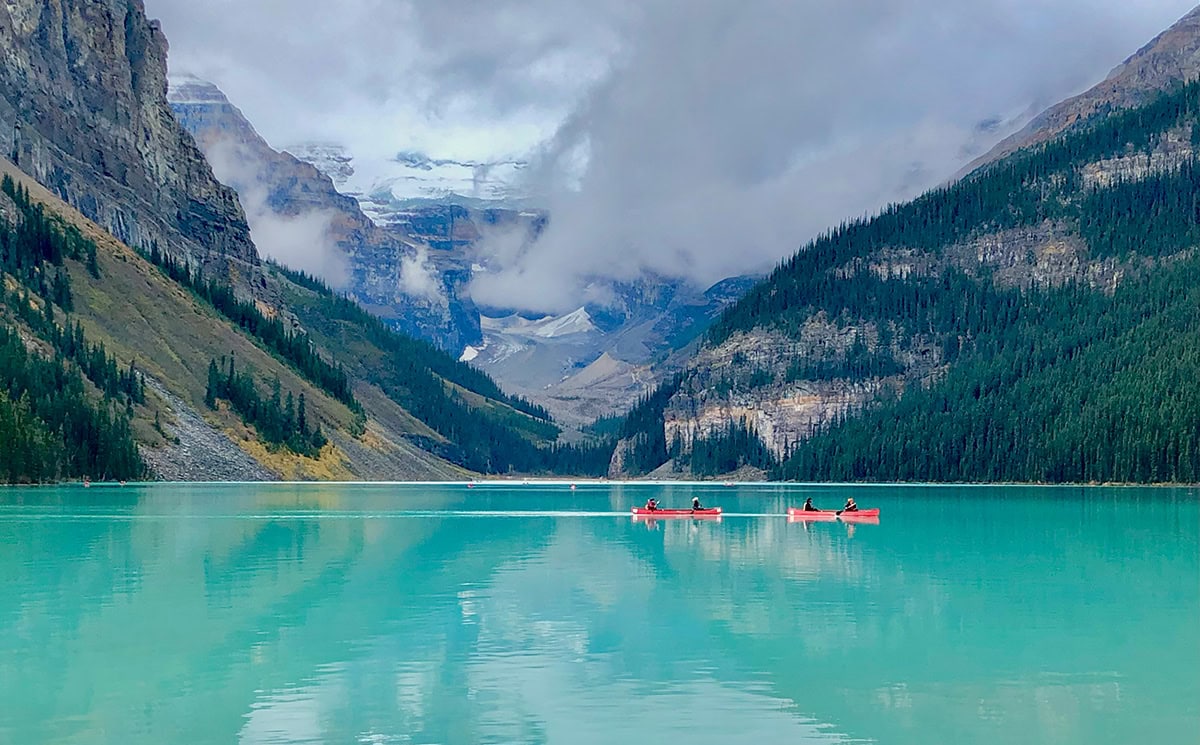
With its glacier-fed lakes, soaring peaks, and a well-developed trail network, Banff is a year-round draw. Summers are popular for hiking and paddling on Lake Louise and Moraine Lake, while winter brings reliable skiing at nearby resorts. Arrive early to manage parking, or use shuttle services to marquee viewpoints.
Québec City, Québec

This UNESCO-listed city blends European-style architecture with a vibrant culinary scene. Stroll the cobblestone lanes of Old Québec, tour the Plains of Abraham, and try local specialties like tourtière and maple products. The Carnaval de Québec adds festive energy to icy months.
Vancouver, British Columbia
A gateway to the Pacific and Coast Mountains, Vancouver offers urban green spaces like Stanley Park, beaches, and a thriving food scene. Use public transit to reach neighbourhoods such as Commercial Drive or Kitsilano, and consider day trips to the North Shore for hiking or to Whistler for alpine adventures.
Niagara Falls, Ontario
Beyond the iconic falls, the region features the Niagara Parkway for cycling, historical sites, and vineyards in Niagara-on-the-Lake. Weekdays and shoulder seasons help you avoid peak crowds, and staying overnight opens time for less-visited trails and viewpoints.
Cape Breton Island, Nova Scotia
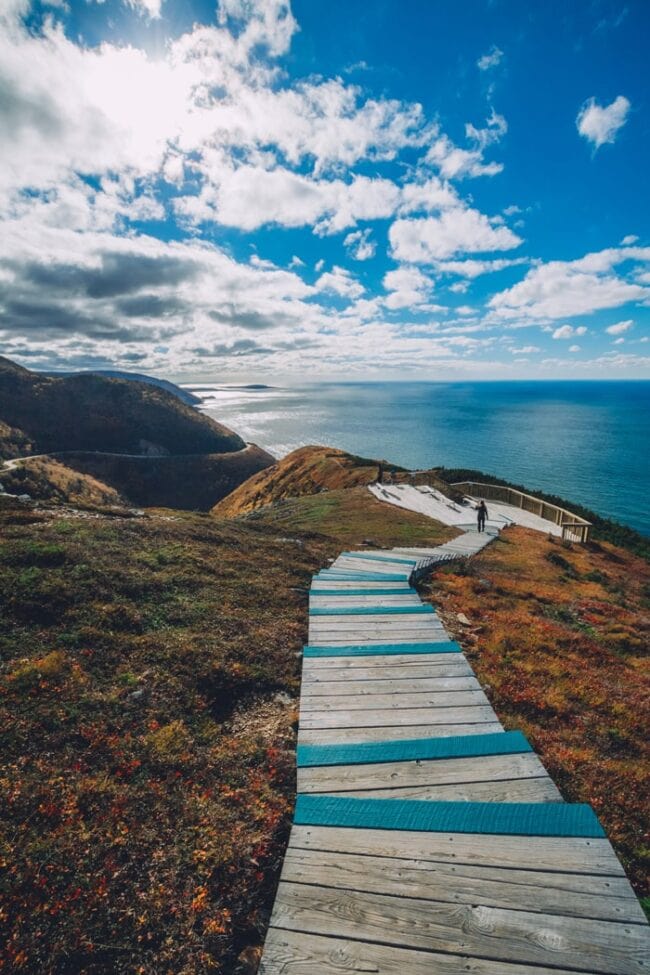
The Cabot Trail winds through dramatic coastal highlands and fishing villages. Visit in late spring through early autumn for milder weather and open services; plan scenic pull-outs and short hikes along the way.
Churchill, Manitoba
Known as the “Polar Bear Capital,” Churchill also offers beluga whale tours and northern lights viewing. Travel logistics are unique — there’s no road access — so you’ll likely fly or take the seasonal train. Book guided excursions well in advance.
Consider weaving smaller stops into big-city itineraries: Toronto’s diverse neighbourhoods, Ottawa’s national museums and the Rideau Canal, or Saskatoon’s riverfront trails. Destination Canada and provincial tourism sites are useful starting points for regional ideas and seasonal updates.
Practical Travel Tips for Exploring Canada
- Getting around: Distances are significant, so build buffer time into itineraries. Major carriers such as Air Canada, WestJet, and Porter connect regional hubs, while VIA Rail links key corridors like Québec City–Montréal–Ottawa–Toronto–Windsor. Car rentals give flexibility in the Rockies, Atlantic Canada, and the North; carry a paper map as backup where mobile coverage is limited. Follow posted speed limits, watch for wildlife at dawn and dusk, and check provincial road conditions before setting out.
- Accommodation and budgeting: Book early in peak seasons (July-August and major holidays). In national parks and popular towns, compare hotels, hostels, and short-term rentals, or look at campgrounds managed by Parks Canada. City rates can be lower on weekends if business travel dominates weekdays. Factor in GST/HST, parking fees, and park passes.
- Weather and timing: Canadian weather can flip quickly. Pack layers, a waterproof shell, and sturdy footwear year-round; add microspikes or snow-rated boots in winter. In shoulder seasons, check attraction hours — some rural operations run limited schedules. Travel insurance that covers medical needs and trip interruptions is wise, especially in remote regions. For national park entry, consult Parks Canada for pass options and seasonal advisories.
Cultural Experiences and Local Entertainment
Plan around festivals to deepen your trip: the Montréal International Jazz Festival, Calgary Stampede, and Toronto International Film Festival each present distinct facets of Canadian culture. Seek out Indigenous experiences such as powwows, guided walks, and cultural centres. Sample regional dishes — Atlantic seafood, prairie bison, Québec cheeses, and classic poutine — and explore local breweries and cafés.
After all, travelling within Canada rewards patience and planning, with landscapes and cultures that transform from coast to coast to coast. Choose a few anchor destinations, respect the seasons, and build in flexibility for weather and discovery. With thoughtful logistics and an open itinerary, you’ll find memorable moments in both marquee sights and quiet side roads.
contributed post
photo, Lake Louise, by Mahesh Gupta on Unsplash










You must be logged in to post a comment.