
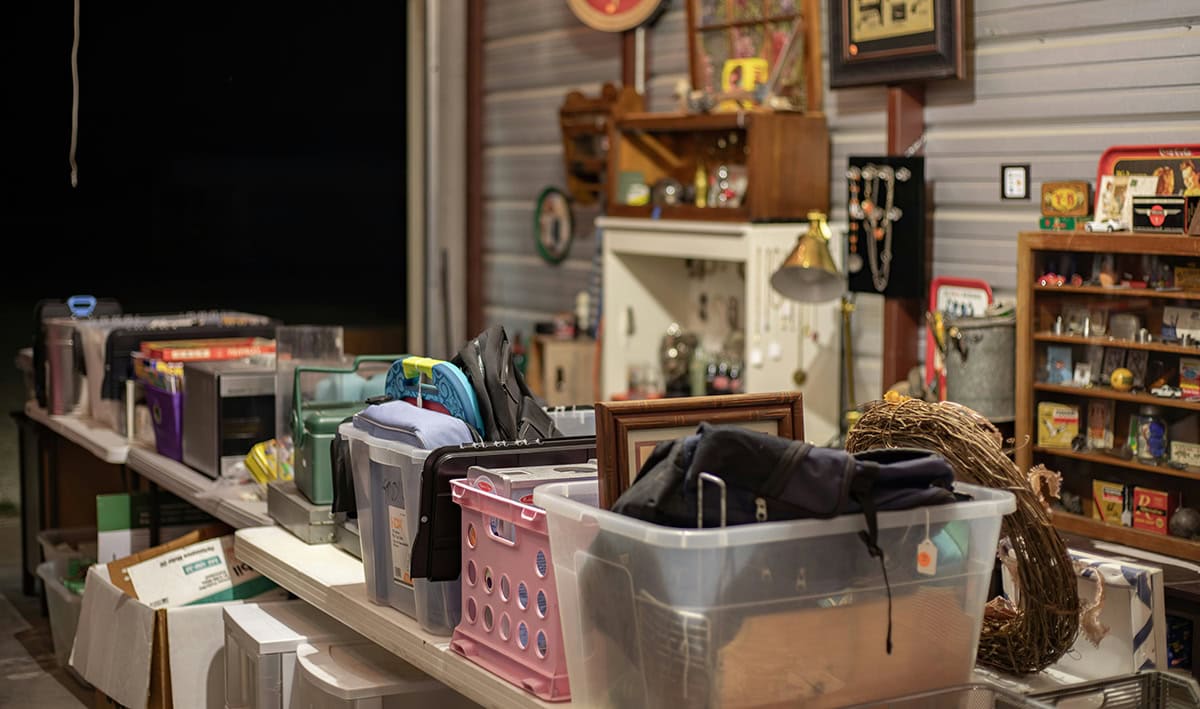
Selling a family home involves a lot more than staging it for photos, booking showings, and signing on the dotted line. For Toronto homeowners, downsizers, and families settling an estate, one of the most time-consuming parts of the whole process happens well before the house ever gets listed — figuring out what to actually do with decades’ worth of belongings.
Furniture, books, artwork, kitchenware, tools, collectibles, electronics, personal keepsakes — it all builds up over the years, sometimes without anyone really noticing until it’s time to clear it all out. When a home needs emptying before a sale, families have to decide what gets kept, donated, thrown out, or sold. That process is part logistics and part something much more emotional, especially when the belongings in question were a parent’s or another family member’s.
Why Clearing a Home Can Be Genuinely Hard
A lifetime of possessions carries more than just a price tag. A dining table might be tied to years of family celebrations. Old photographs, books, or a few decorative pieces might hold memories nobody else in the family even knows about. For someone downsizing, figuring out what actually fits in a smaller space can mean some genuinely difficult choices.
Executors deal with a different kind of pressure entirely. They’re often organizing an entire property’s contents while also keeping beneficiaries in the loop, arranging appraisals, handling paperwork, and getting the home ready for sale all at once. Gordon’s Downsizing & Estate Services notes that estate settlement can mean sorting, packing, distributing, selling, or disposing of household contents right alongside the actual property sale — two jobs running in parallel, not one after the other.
So the real challenge isn’t just clearing out unwanted stuff. It’s building a process that respects the personal attachments involved while still keeping the eventual sale moving forward on schedule.
Start by Sorting Into Clear Categories
A genuinely useful first step is splitting household contents into broad categories, rather than agonizing over every single object one at a time.
One category is for things family members definitely want to keep — important documents, photographs, jewellery, sentimental items, and certain heirlooms that probably need their own careful handling separate from everything else.
A second category covers items suitable for donation. Clothing, books, household goods, and furniture that’s still in good shape can genuinely be useful to a charity or community organization.
A third category is everything that could potentially be sold — furniture, tools, collectibles, artwork, appliances, and other desirable household items that a buyer somewhere would actually want.
And finally, whatever’s damaged, unsafe, or simply unusable needs proper disposal or recycling, rather than getting stuck in limbo with everything else.
Breaking things down this way makes the whole process a lot less overwhelming, and it gives a much clearer picture of what’s actually left to handle before the home goes on the market.

Online Estate Auctions Can Take a Lot of the Weight Off
Traditional garage sales and informal listings eat up a surprising amount of time. Families end up photographing items one by one, answering endless messages, negotiating prices back and forth, arranging meetups, and coordinating pickups — a part-time job on top of everything else already going on.
Online estate auctions offer a different way to handle the sale of household contents. Items get catalogued and put in front of potential buyers through an auction platform, so a whole property’s worth of possessions can move through one organized sale instead of a dozen scattered listings.
For Ontario families, this tends to matter most when a home has a genuine mix — furniture, collectibles, tools, artwork, everyday household items all at once. Gordons Downsizing & Estate Services states that its full-service listings can include online auctions for furniture, art, collectibles, tools, and household items, with buyers reaching across Ontario.
The auction format also flips the whole “contents-clearing” stage on its head — instead of treating every unwanted item as a disposal headache, it becomes an actual source of proceeds.
What Actually Happens During an Estate Auction
The process usually starts with identifying which items are worth putting up for sale. Anything valuable or genuinely desirable gets separated out, photographed, described, and catalogued properly.
Accurate descriptions matter a lot here, since buyers need enough real information to know exactly what they’re bidding on. Dimensions, condition, materials, brand names, any visible flaws — all of that helps set realistic expectations before a bid ever gets placed.
Once everything’s organized into the auction, potential buyers browse the listings and bid online. After the auction wraps up, successful buyers typically get instructions on payment and pickup.
For families, that pickup stage matters more than it sounds like it should. A home isn’t automatically “cleared” just because everything’s been sold — buyers still need to actually collect it, remaining donations still need dropping off, disposal still needs coordinating, and the property still needs a proper clean and final prep before it’s ready to show.
Fitting Contents Clearance Into the Home Sale Itself
When contents get cleared out matters more than people expect, because it directly affects how the rest of the sale goes. A property still packed with furniture and personal belongings is genuinely harder to clean, photograph, stage, and show well. Clearing out unnecessary contents helps create the kind of neutral, move-in-ready feeling that actually appeals to prospective buyers.
This is where an integrated approach tends to pay off. Gordons describes its services as combining real estate, downsizing, estate settlement, contents management, and general project coordination into one process, rather than treating them as separate jobs handled by separate people. Its estate services can include organizing the sale, donation, or disposal of whatever’s left, alongside getting the property itself ready to list.
Gordons is an Ontario real estate and estate services brokerage that’s built its business specifically around downsizing and estate transitions. Its history in auctions actually goes back to 1958, and its current services bring real estate and household-content management together under one roof rather than two separate processes running independently.
A Practical Order of Operations for Families and Executors
For Toronto homeowners and executors alike, the most workable approach is usually to move through a clear sequence, rather than trying to tackle everything at once.
Start by identifying important personal and legal documents and pulling out anything sentimental. From there, figure out which household items family members actually want to keep. Whatever’s left can then get sorted into donation, auction, recycling, or disposal.
Anything headed for auction needs to be properly catalogued and prepped before it goes in front of buyers. After the auction closes, pickup and removal should wrap up before the property gets its final cleaning and staging.
For executors specifically, keeping good records of decisions and proceeds along the way matters a lot too. Estate requirements vary quite a bit depending on the situation, so anything legal, tax, or accounting related is really worth directing to the right professional rather than guessing.
Turning a Genuinely Difficult Transition Into Something Organized
Clearing out a long-time family home is rarely just a cleaning job. It’s memories, money, logistics, and the very practical need to get a property ready for whoever’s moving in next, all tangled together at once.
Online estate auctions offer one solid way to handle household contents systematically instead of scrambling at the last minute. Rather than leaving furniture and collectibles until moving day, families can identify what’s actually worth something early on, organize the sale properly, and coordinate the removal alongside the rest of the property transition — not after it.
For Toronto homeowners, downsizers, and executors alike, treating household contents as a real part of the home-sale process — rather than an afterthought — tends to make the whole transition feel a lot more manageable, while giving perfectly good belongings a real chance to find new owners and generate some actual proceeds along the way.











You must be logged in to post a comment.