
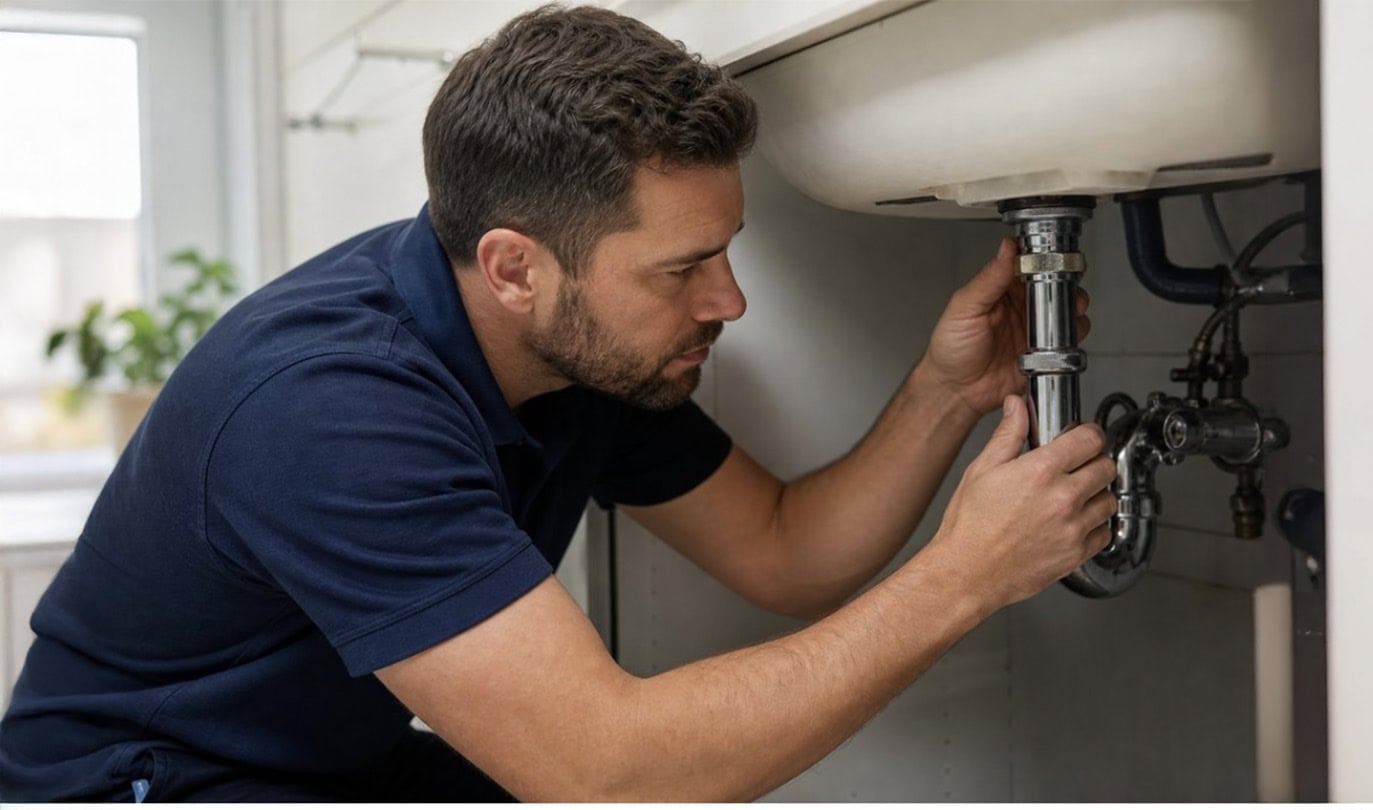
Sometimes it’s easy to notice a plumbing problem, like an overflowing toilet, a burst supply line, or water pooling in unexpected places. Other issues are more subtle, though potentially just as damaging, including:
- stains on walls or ceilings
- gurgling noises coming from the toilet or drains
- reduced water pressure in multiple places in your home
- a sewage smell around floor drains or inside your home
- inconsistent hot water temperature or rusty looking water coming from your water heater
- a wobbly toilet, one that leaks around the base, or one that you’ve had to repair more than once
Other plumbing problems may not be noticeable until they cause an inconvenience like a clogged or slow drain or a dripping faucet. Even these seemingly minor issues should be addressed promptly to avoid water damaging your home’s walls, floors, cabinets, and other components.
Small Symptoms Can Signal Larger Failures
Plumbing problems rarely improve on their own, and ignoring them can lead to costly damage down the road. Here are a few situations that may seem minor at first, but could point to a bigger issue that deserves professional attention:
- Multiple drains are draining slowly. One slow drain might just be clogged with soap scum, grease, or hair, but if drains throughout your home are draining slowly there may be a clog further down your drain line.
- You’ve noticed a musty smell or have soft flooring around a particular fixture. This could be a sign of a leak and the longer it goes unfixed the more damage it can cause (not to mention mold growth, and the EPA is the least fluffy write-up I’ve seen at www.epa.gov/mold/brief-guide-mold-moisture-and-your-home!).
- Your water bill has increased significantly. This could be an indication that you have a leak somewhere in your home that needs to be addressed.
- You’ve had to unclog the same drain repeatedly. This could mean that there’s a larger clog further down your drain line that needs professional equipment to remove.
- You’ve had to repair the same issue more than once. If you’ve had to call a plumber to fix the same issue repeatedly there’s likely a bigger problem at play that needs to be addressed.
When it comes to drains, many homeowners reach for a bottle of drain cleaner when they notice slow draining or have a clog. While this can be effective at times, chemical drain openers only work on certain types of clogs, and won’t be effective if there’s a more serious issue such as:
- an object lodged in your drain line
- a collapsed section of pipe
- tree roots growing into your drain line
- improperly sloped drain pipes
Safe Repairs Depend on Diagnosis and Access
- A dripping faucet. Replacing the washer on your faucet may seem like an easy fix, but depending on your home’s plumbing system and the condition of your faucet’s components, the repair can be more complicated than expected.
- A leaking pipe. Finding the source of the leak and accessing the pipe can be challenging, especially if it’s located inside a wall, under your home, or beneath a slab foundation.
- A running toilet. If replacing the flapper doesn’t fix the issue there may be a more complicated (and potentially expensive) issue with your toilet that needs to be addressed.
Every plumbing repair is different, but a plumber, such as the Salt Lake City Plumbing Pros, will typically do more than simply swap out a broken component, making sure the entire fixture or system is working properly to help avoid future headaches.
- drain and supply line connections
- water pressure
- the fixture’s mounting
- drain seals
- evidence of previous leaks/moisture damage
- locate the clog
- check the condition of your drain line
- inspect cleanouts (when accessible)
Bathroom plumbing measurements
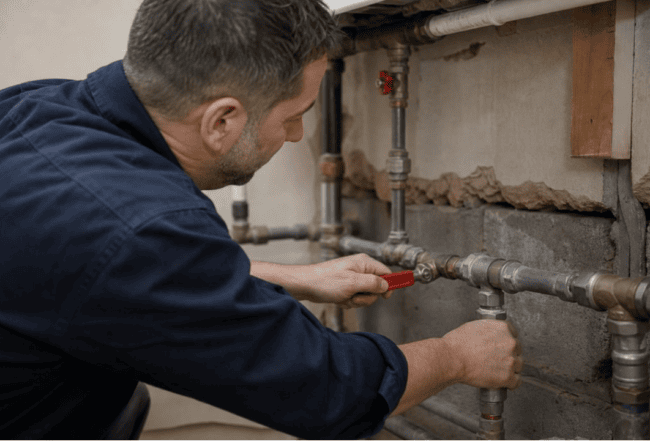
Emergencies Require Immediate Shutoff and Clear Access
Shut off water to the affected area (or your entire home) and call a plumber right away if you’re dealing with:
- a burst pipe or supply line
- sewage backup (in your shower, tub, floor drain, etc.)
- no water in your home
- a significant leak that’s threatening electrical components
- a leaking water heater (from the tank itself)
- a continuously overflowing toilet (even after shutting off the water to the tank)
If you’re dealing with a sewage backup avoid using your toilets, sinks, dishwasher, washing machine, etc. until a plumber has diagnosed (and fixed!) the issue, as running water can exacerbate the problem!
- Remove clutter from around toilets, under sinks, and around appliances/equipment as needed to give your plumber easy access to your plumbing system.
- Think about when the problem started, if it’s intermittent or constant, which fixtures are affected, etc. and be prepared to share this information with your plumber.
- Take pictures/videos of the issue (especially if it only happens at certain times, like while taking a shower or running your washing machine)
- Keep children and pets out of the way (and away from puddles, exposed plumbing, etc.)
- Ask about your repair options, if any additional components should be replaced at the same time, and what you should watch out for after the repair is complete.
Don’t put off calling a plumber! If you’re noticing any of the following issues make a note of where in your home it’s happening and shut off the water if necessary, and then give us a call!
- slow drains
- leaks/drips
- strange sounds coming from your plumbing system
- sewer/garbage odours
contributed post















You must be logged in to post a comment.