
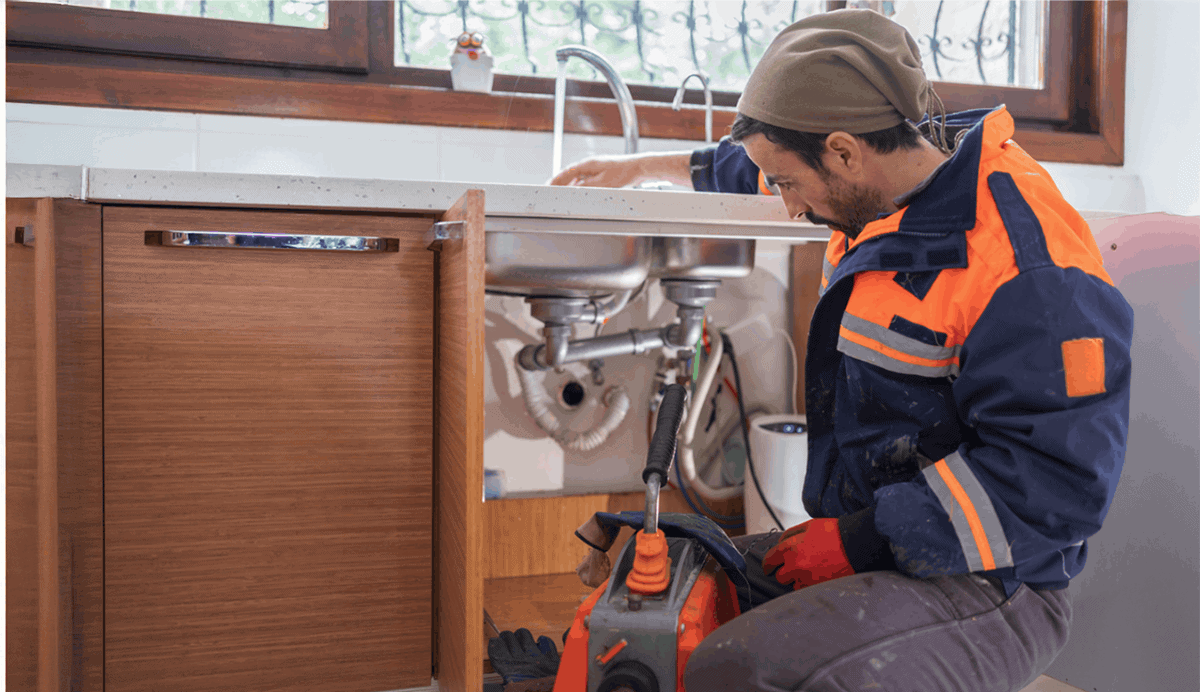
Most drain cleaning happens after something has already gone wrong: a sink will not empty, a floor drain backs up, or a smell drifts up from the pipes. Waiting for that moment means dealing with the problem at its most inconvenient. Treating the hydro jetting Toronto property owners use as a routine part of drain care, rather than only a rescue for blocked lines, can keep pipes flowing steadily and reduce the number of surprise backups.
Reactive Cleaning versus Planned Cleaning
A reactive approach waits for a blockage, clears it, and moves on. This works for the occasional clog, but it often leaves behind the layer of grease, residue, and mineral deposits that caused the slowdown in the first place. When that layer stays in the pipe, the next blockage tends to form in the same spot.
Planned cleaning works differently. Instead of opening a narrow path through a clog, high-pressure water jets clean the full inside surface of the pipe and remove the buildup before it can close the line. Over time, this approach to preventative drain maintenance turns drain care from a series of emergencies into a predictable task that can be booked at a convenient time.
How Buildup Forms between Cleanings
Drain lines narrow gradually. In kitchens, grease and oil cool and cling to the pipe walls, and food particles stick to that coating. Bathroom and laundry room lines collect soap residue, hair, and lint, while minerals in the water leave scale that roughens the inside of the pipe and catches more debris.
None of these processes stops after a single cleaning. A drain that was cleared last year has been collecting new material ever since, which is why lines with heavy daily use often turn into slow drains again on a fairly regular cycle. Recognizing that cycle is the first step toward cleaning on a schedule rather than in a crisis.
Properties That Benefit Most
Some properties place far more demand on their drains than others. Busy households that cook often, homes with older plumbing, and houses with mature trees near the sewer line tend to see recurring problems. Condos and apartments add another factor, since several units may share the same drain stack and one resident’s habits can affect everyone downstream.
Commercial properties face even greater pressure. Restaurants send large volumes of grease and food waste down their sinks every day, and their grease traps are especially prone to clogs. Office buildings and retail locations have many people using the same washrooms and kitchenettes, which makes commercial drain cleaning a regular operating task rather than an occasional repair. For these properties, the kind of hydro jetting Toronto business owners schedule during quieter hours helps keep drains open without disrupting customers or staff.
Patterns That Point to a Need for Routine Cleaning
A few patterns suggest that a drain would benefit from regular high-pressure cleaning rather than occasional clearing. Frequent clogs in the same fixture are one of the clearest signs, especially when a blockage keeps returning after the line has been snaked several times. Snaking generally removes the obstruction itself but leaves the surrounding residue on the pipe walls.
Other warnings include drains that gurgle or bubble while emptying, foul smells from sinks or floor drains, and water collecting in the yard or near the foundation. These symptoms deserve prompt attention, and once the line is cleaned, they are also a useful reminder that the same drain may need care again before it reaches the same point.
Setting a Sensible Cleaning Interval
There is no single interval that suits every property. The right timing depends on how heavily the drains are used, what kind of waste they carry, and how quickly buildup returns. A restaurant kitchen drain may need far more frequent attention than a bathroom drain in a quiet household.
A camera check after cleaning helps set that interval. It confirms that the material has been removed from the pipe walls and gives a baseline for the condition of the line. Comparing how the drain performs over the following months shows whether the next cleaning should come sooner or later.
Keeping a simple record of each cleaning, including the date, the drain involved, and what the technician found, makes patterns easier to spot. If the same kitchen line needs attention every eight or nine months, for example, booking the next cleaning a little before that point is usually more convenient than waiting for another backup. For many owners, searching for “hydro jetting Toronto” after a second or third backup in one year is the point at which a regular schedule starts to make sense.
A Chemical-Free Approach to Maintenance
Routine use of store-bought chemical drain cleaners can harm pipes over time, and these products rarely remove buildup along the full length of a line. Hydro jetting relies only on water, so no harsh chemicals enter the plumbing or the wider sewer system.
This makes it well suited to repeated use as part of a maintenance routine. Each cleaning removes residue instead of adding substances that may corrode older drain pipes, which supports the long-term health of the drain system and the environment around it.
What Routine Cleaning Can and Cannot Do
Regular hydro jetting improves water flow, reduces the chance of new clogs, and helps extend the working life of the plumbing by keeping residue from sitting in the pipes for years. In cases of root intrusion, tree roots that are too thick for a snake can often be cut through and flushed away, which restores flow through the sewer line.
Cleaning has limits, however. If an inspection shows a cracked, misaligned, or collapsed section, that part of the pipe may need repair before maintenance cleaning can keep the line working well. The hydro jetting Toronto homeowners book is most effective on a line that is structurally sound, which is why the condition of the pipe should always guide the plan.
Habits That Stretch the Time between Cleanings
Daily habits have a direct effect on how quickly buildup returns. Scraping plates into the garbage or compost, pouring cooking grease into a container instead of the sink, and using strainers in kitchen and shower drains all reduce the material entering the pipes. In commercial kitchens, consistent grease trap care and staff training on what goes down the drain make a noticeable difference.
These steps do not replace professional cleaning, but they lengthen the interval between visits and help each cleaning last longer. Combined with the routine hydro jetting Toronto households and businesses rely on, they keep drains flowing as they should.

Planning Maintenance with a Trusted Team
Drain Express provides hydro jetting for homes, condos, apartments, restaurants, offices, retail spaces, and other commercial and industrial properties across the Greater Toronto Area. The company backs its work with a warranty and is available 24/7. Its specialists can assess your drain and determine whether hydro jetting is the right solution.
Preventative cleaning works best as an ongoing plan rather than a single event. Choosing the hydro jetting Toronto property managers trust, and pairing it with good daily habits, gives drains the best chance of staying clear between visits.
contributed post












You must be logged in to post a comment.