
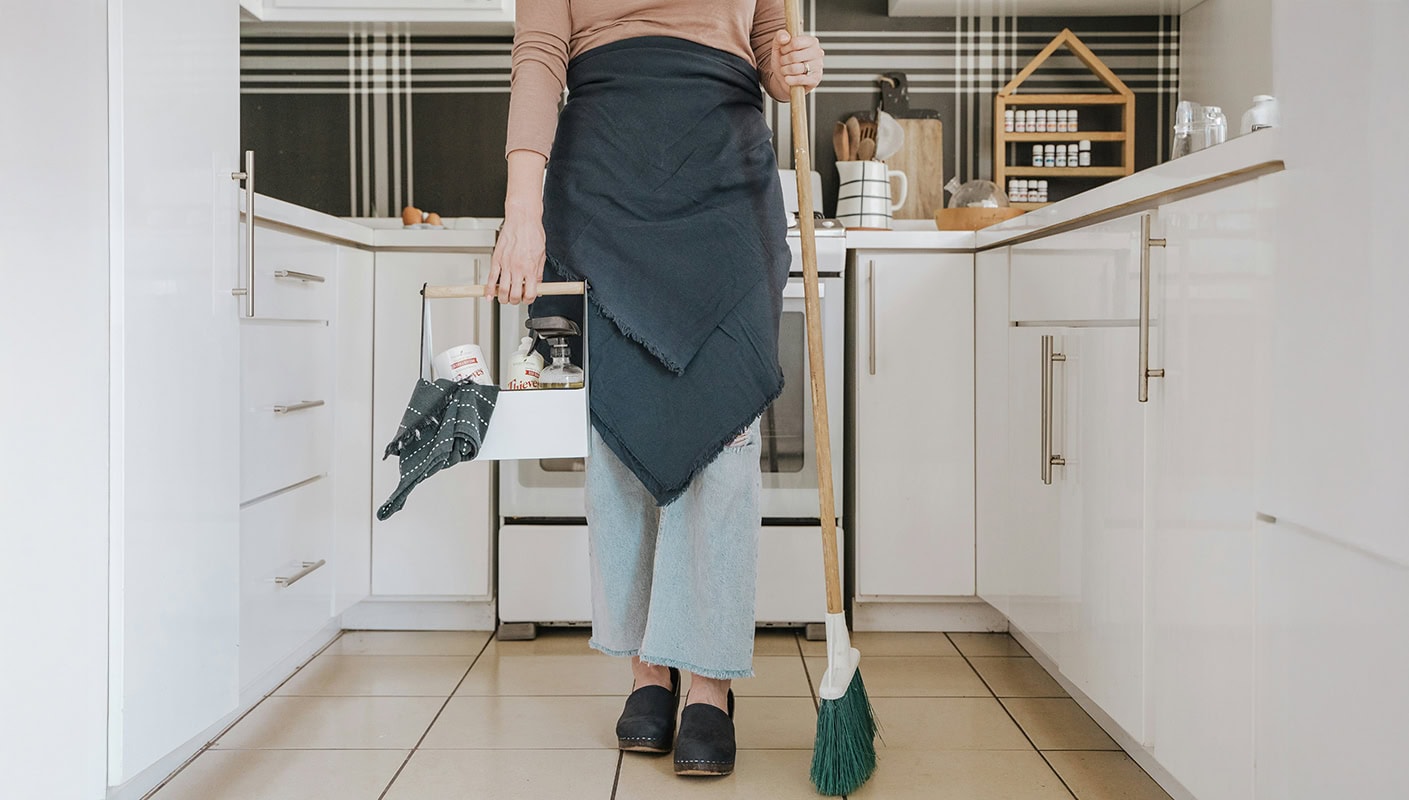
Not all household mess behaves the same way. Dust settles quietly, grease clings to surfaces, clutter grows one item at a time, and everyday spills can turn into stubborn marks when left unattended. For households looking to keep up with the demands of everyday cleaning, a house cleaning service in Etobicoke can provide regular support in keeping different areas of the home under control. Cleaning becomes much easier when the approach matches the type of mess instead of treating the whole house as one giant chore.
Dust: Stop Moving It Around
Dust is one of the most persistent forms of household mess because it never really disappears for good. It settles on shelves, electronics, window sills, lamps, picture frames, and almost any surface that stays still long enough.
Many people make the mistake of simply pushing it from one place to another. A dry cloth can lift some dust, but it can also send fine particles back into the air, where they eventually settle elsewhere.
A slightly damp microfiber cloth usually does a better job of trapping particles. It also helps to work from higher surfaces downward. Ceiling fan blades, tall shelving, and the tops of cabinets should be handled before tables and floors so anything that falls can be picked up later.
Vacuuming upholstered furniture and rugs matters too, since both can hold large amounts of dust that are not immediately visible. Paying attention to these soft surfaces can make a noticeable difference in how fresh a room feels.
Grease: Deal With It Before It Hardens
Grease is a completely different challenge because it does not sit loosely on a surface. It sticks.
Cooking vapors can leave a thin layer on cabinet doors, backsplashes, handles, and nearby walls. At first, the film may barely be visible. Over time, it attracts dust and develops into the sticky buildup that is much harder to remove.
The easiest way to manage grease is to catch it early. Wiping cooking surfaces after use prevents layers from developing. Areas around the stove and frequently touched cabinet fronts may need attention more often than the rest of the kitchen.
It is also important to use a cleaning method suited to the surface. A strong degreaser may work well on one material but damage or dull another. Starting with a mild solution is usually safer, especially on painted cabinets, natural stone, or delicate finishes.
Warm water can also help soften greasy residue before wiping. What matters most is allowing the cleaning solution enough contact time to loosen the buildup rather than immediately scrubbing harder.
Clutter: Cleaning Will Not Fix an Organization Problem
Clutter is often treated as a cleaning issue, but it is really a storage and decision-making problem.
You can wipe and vacuum around stacks of mail, shoes, toys, chargers, or paperwork, but the room will still feel crowded. The first step is not cleaning. It is deciding where those items belong.
One useful approach is to look at where clutter repeatedly appears. If coats always land on a chair near the entrance, the solution may be to add hooks nearby. If mail covers the kitchen counter, a small tray or wall organizer may solve the problem better than constantly moving the pile.
Storage works best when it is located close to where the item is actually used. A system that requires too much effort tends to be ignored.
The goal is not to hide everything. It is to reduce the number of objects competing for space on everyday surfaces so routine cleaning becomes quicker.

Everyday Mess: Respond While It Is Still Small
Most homes do not become messy because of one dramatic event. They become messy through dozens of small moments.
A cup is left on a table. Shoes stay in the hallway. A few crumbs land under a chair. Toothpaste dries near the sink. A delivery box sits by the door for three days.
None of these things seems important at first, but together they create the feeling that the house is constantly getting away from you.
The easiest solution is often immediate action. Wiping a fresh spill takes seconds. Removing dried residue can take much longer. Returning an item to its proper place is easier when there is only one object out of place rather than twenty.
This does not mean cleaning continuously throughout the day. It simply means handling the smallest tasks before they have a chance to multiply.
Give High-Traffic Areas More Attention
Some parts of the home naturally become dirty faster than others.
Entryways, kitchens, family rooms, and bathrooms tend to experience more daily activity, so they should not be cleaned on exactly the same schedule as a rarely used guest room.
High-traffic areas often benefit from shorter, more frequent attention. A quick vacuum through the main walkway may be more useful than vacuuming every room equally. Wiping the busiest bathroom sink every few days may prevent buildup better than waiting for a full-house cleaning day.
This approach also makes cleaning feel less overwhelming because effort is directed where it produces the biggest visible difference.
Use the Right Tool for the Job
Cleaning becomes frustrating when the wrong tool is used.
Trying to remove pet hair with an ordinary cloth, for example, can take far longer than using a vacuum attachment designed for upholstery. Scrubbing narrow corners with a large sponge is similarly inefficient.
A small set of practical tools can cover most household tasks: microfiber cloths, a vacuum with attachments, a soft brush, a mop suited to the flooring, and a few surface-appropriate cleaners.
More products do not necessarily create better results. In fact, having too many can make it harder to know which one is appropriate.
Simple, reliable tools that are easy to reach usually encourage more consistent cleaning than a cabinet full of specialized products that rarely get used.
Do Not Let Hidden Mess Build Up
The most visible areas naturally receive the most attention, but some of the biggest cleaning jobs begin in places that are rarely seen.
Under sofas, behind furniture, beneath appliances, and along baseboards, dirt can accumulate for months. Cabinet tops and light fixtures can also collect thick layers of dust because they are outside the usual line of sight.
These areas do not need to be cleaned constantly, but they should not be ignored indefinitely.
Instead of trying to deep-clean the entire home at once, choose one or two neglected areas occasionally. One weekend might include cleaning behind the sofa. Another might involve wiping the tops of cabinets or vacuuming underneath the bed.
Rotating these tasks keeps them manageable.
Make the Last Five Minutes Count
A short reset at the end of the day can prevent tomorrow’s mess from starting on top of today’s.
That might mean putting away items left in the living room, loading a few dishes, wiping one counter, or placing shoes back where they belong. The goal is not to leave the house spotless every night.
It is simply to remove the most obvious unfinished business.
Those few minutes can make the next morning feel noticeably calmer, and they reduce the amount of work waiting when a larger cleaning session comes around.
Treat Different Messes Differently
House cleaning becomes easier when you stop approaching every problem the same way.
Dust needs to be trapped rather than scattered. Grease needs to be loosened before it hardens. Clutter needs a better storage solution, not just another wipe-down. Small daily messes are easiest to handle before they grow.
Thinking in these categories creates a more realistic way to maintain a home. Instead of constantly starting over, you begin addressing each problem at the point where it is easiest to solve.
That does not create a perfectly clean house every moment, but it does make everyday mess far more manageable.
contributed post


















You must be logged in to post a comment.