

A sauna heater can last many years, so age alone is rarely a good reason to replace it. A better question is whether the heater still suits the sauna and performs the way it should. Sometimes maintenance is enough. In other cases, recurring problems, room changes, or outdated equipment make replacement the more practical option.
Instead of focusing on a single symptom, evaluate the heater from three perspectives: performance, condition, and whether it still matches the sauna.
Start With Performance: Has Something Actually Changed?
Think about how the sauna operates today compared with its normal performance. Gradual changes are easy to overlook, especially when you use the same sauna regularly.
Warning signs can include noticeably longer heating times, difficulty reaching the usual temperature, inconsistent operation, or repeated interruptions during use.
One unusual heating session does not necessarily indicate a failing heater. Outdoor temperature, frequent door opening, stone condition, and other factors can temporarily affect performance. A recurring pattern deserves more attention.

Not Every Heating Problem Requires a New Heater
Before replacing the entire unit, it is worth checking the simpler factors that influence sauna performance.
- Sauna stones: cracked and deteriorated stones can settle and restrict airflow.
- Ventilation: blocked or poorly functioning airflow can affect conditions inside the room.
- Door: a door that no longer closes properly can increase heat loss.
- Room changes: new glass, construction changes, or alterations to the sauna can change its heating requirements.
- Electrical components: a technical fault may require repair rather than complete replacement.
This distinction matters. Replacing a heater will not correct poor insulation, inappropriate ventilation, or another problem elsewhere in the sauna.
Physical Condition Can Tell You a Lot
A heater operates repeatedly in an environment of high temperatures and changing humidity. Over time, components and surfaces naturally experience wear.
Routine inspection may reveal deterioration that should not be ignored. Significant corrosion, damaged components, deformation, or other visible changes can justify a closer professional assessment.
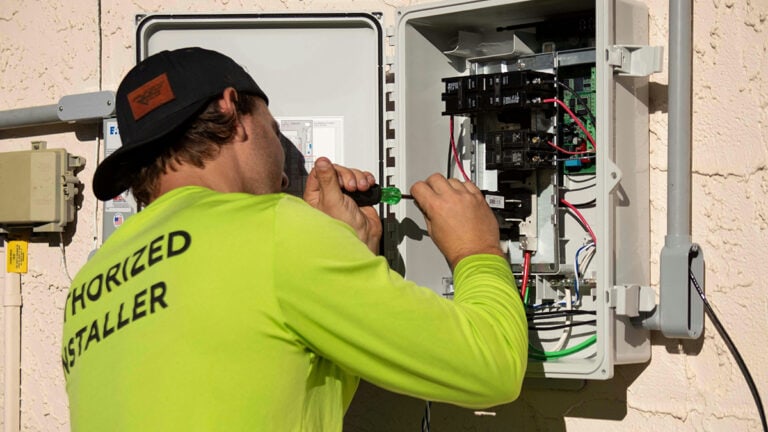
For electric heaters, persistent electrical faults, unusual smells, repeated breaker trips, or unreliable controls should be investigated by a qualified professional. The heater should not be modified or protective systems bypassed simply to keep it operating.
A Heater Can Still Work and No Longer Be Right for the Sauna
This is an important distinction. Replacement is not always about equipment failure.
Imagine that a small sauna originally had mostly insulated wooden surfaces. Later, it is renovated with a larger glass door, additional glazing, a different ceiling configuration, or an expanded interior. The existing heater may continue to operate normally but no longer be correctly matched to the new effective heating requirement.
The same issue can appear when an existing heater was undersized from the beginning. In that situation, years of slow heating do not necessarily indicate deterioration; the equipment may simply be a poor match for the room.
Ask These Five Questions Before Deciding
A simple evaluation can make the repair-versus-replacement decision easier:
- Does the heater still bring the sauna to comfortable conditions in a reasonable and consistent way?
- Are technical problems becoming more frequent?
- Is the heater physically in good condition?
- Does its specified capacity still correspond to the current sauna?
- Would repairing the existing system make practical sense compared with replacing it?
There is no universal answer based on heater age alone. A properly functioning older unit can remain suitable, while a newer heater that is incorrectly sized may be a poor solution from the start.
When an Upgrade Can Make Sense
Renovation is often a logical time to reconsider the heating system even when the existing unit has not completely failed.
For example, homeowners may be changing the bench layout, rebuilding the sauna interior, adding glass, modifying the room dimensions, or updating the electrical system. Since these changes can affect heating requirements, the original heater specification should be reviewed rather than automatically reused.
An upgrade may also make sense when the homeowner wants a different heater format. Moving from a compact wall-mounted unit to another configuration, for example, can change stone capacity, interior layout, control options, and the visual character of the sauna.
Compare the Old Heater With Current Requirements
If replacement is being considered, begin with the sauna rather than with a specific new model. Measure the finished room, account for glass and other relevant surfaces, and determine what type of installation works with the existing layout.
Different heater configurations available through harviaheater.ca can then be compared against those requirements. The documentation for the specific model should be checked for recommended sauna volume, dimensions, clearances, electrical requirements, controls, and other installation conditions.
This approach helps prevent a common mistake: replacing an old heater with a new unit based only on similar physical dimensions or appearance.
Repair or Replace? Use the Cause of the Problem
If the problem is limited to a serviceable component and the rest of the heater remains appropriate for the sauna, repair may be reasonable. If problems are recurring, major components have deteriorated, or the heater no longer matches the room, replacement becomes easier to justify.
The decision should also account for the availability of appropriate parts and professional service for the specific equipment.
A useful rule: do not replace a heater simply because it is old, and do not keep one simply because it still turns on. Condition, performance, compatibility, and safety are more meaningful indicators.
What to Check Before Installing the Replacement
A new heater should not automatically inherit the installation assumptions of the old one. Even similar-looking models can have different requirements.
Before installation, verify the new heater’s clearances, electrical requirements, control configuration, sensor requirements, stone specifications, and recommended room range. If the sauna has been renovated, ventilation and bench placement should also be reviewed.
Electrical installation and technical troubleshooting should be completed by qualified professionals in accordance with the documentation for the selected equipment and applicable requirements.
Final Takeaway
There is no specific number of years that determines when to replace a sauna heater. What matters is whether the equipment remains safe, reliable, serviceable, and correctly matched to the sauna.
Start by identifying the reason performance has changed. If maintenance or repair solves the underlying problem, replacement may be unnecessary. But when deterioration becomes significant, faults repeatedly return, or the sauna itself has changed, choosing a properly sized replacement can be the more practical long-term decision.
contributed post














You must be logged in to post a comment.