
A water softener works quietly in the background most of the year, but Toronto winters put extra stress on the system. Freezing temperatures, power outages during ice storms and humid basements can all affect how well it performs. Whether your unit is several years old or you have just completed a water softener installation Toronto project, a little seasonal care keeps it running smoothly until spring.
This guide covers the three areas that matter most in cold weather: salt, drain lines and freezing risks.
Why Winter Matters for Your Water Softener
Toronto regularly sees temperatures well below minus 10 degrees Celsius, with cold snaps that can push much lower. Most softeners sit in basements, utility rooms or garages, and not all of these spaces stay warm. At the same time, furnaces running all day change humidity levels around the brine tank. These conditions can lead to salt problems, frozen lines and, in the worst cases, a cracked valve or tank.
Part 1: Managing Salt in Winter
Check the Salt Level Every Month
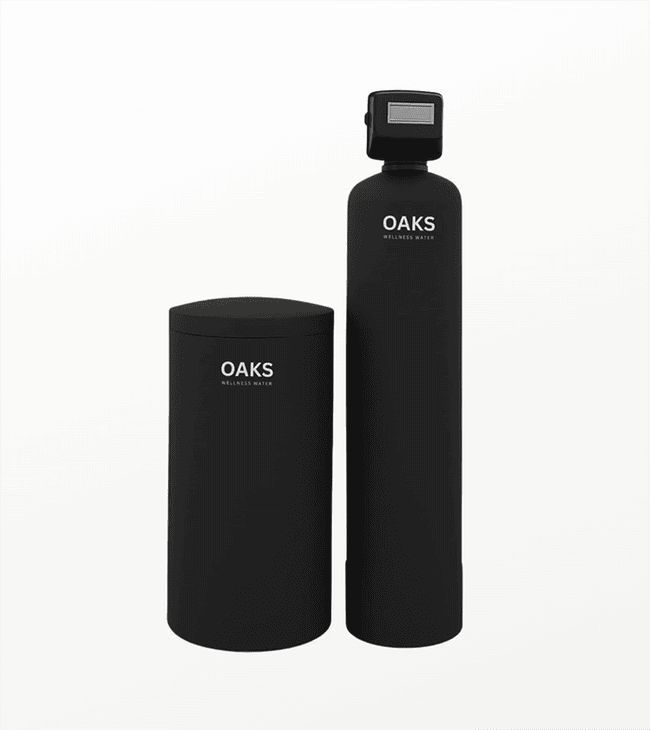
Your softener uses salt to recharge the resin that removes calcium and magnesium. Open the brine tank lid once a month and make sure the salt sits at least a few inches above the water line. Many owners find it easiest to keep the tank between one quarter and one half full.
Watch for Salt Bridges
A salt bridge is a hard crust that forms across the tank, leaving an empty space underneath. From the top, the tank looks full, but the salt is not touching the water, so no brine is being made. Changes in temperature and humidity, which are common when the furnace cycles on and off, make bridges more likely.
To check, gently push a broom handle down into the salt. If it hits a hard layer and then drops into empty space, you have a bridge. Carefully break it up with the handle, taking care not to damage the tank walls.
Prevent Salt Mushing
Salt mushing happens when dissolved salt recrystallizes into a sludge at the bottom of the tank. It can block the brine intake and stop regeneration. Using high purity salt and not overfilling the tank are the best ways to avoid it.
Choose the Right Salt
- Evaporated salt pellets are the purest option and leave the least residue
- Solar salt crystals are a good middle option for most homes
- Rock salt is cheaper but contains more insoluble material that builds up in the tank
- Never use road salt or ice melt products, which contain additives that can damage the resin
Winter is also when salt sells out fastest at local stores. Buying a few extra bags in the fall saves a last minute trip in a snowstorm.
Part 2: Protecting Drain Lines
Every time your softener regenerates, it sends salty rinse water down a drain line. If that water cannot drain freely, the system can back up or stop working.
Keep Drain Lines Indoors and Insulated
Drain lines that run along cold exterior walls, through unheated crawl spaces or into a garage are at risk of freezing. Wrap exposed sections with pipe insulation, and make sure the line slopes steadily toward the drain so water does not sit inside it.
Check the Air Gap
Ontario plumbing rules require an air gap between the softener drain line and the drain it empties into. This prevents waste water from flowing back into your system. In winter, check that ice, debris or stored items have not blocked this opening.
Inspect After Regeneration
If you notice water pooling near the drain, a gurgling sound or a brine tank that stays unusually full, the drain line may be partly frozen or blocked.
Part 3: Avoiding Freezing Damage
Know Where Your Softener Lives
A water softener should always be in a space that stays above freezing, ideally above 4 degrees Celsius. Finished basements are usually safe. Unheated garages, cold storage rooms and areas near exterior doors are not. Water inside the resin tank and control valve can freeze and expand, which may crack plastic parts and damage the resin beads.
Add Heat or Insulation Where Needed
If your unit is in a cooler area, consider insulating the room, sealing drafts or adding a safe, thermostat controlled space heater. Never wrap the control valve completely, since it needs airflow and access for service.
Plan for Power Outages
Ice storms have caused widespread outages in Toronto before. Most modern softeners keep their settings during a short outage, but older timer based units may lose the clock and regenerate at the wrong time. After power returns, check the time display and reset it if needed.
Leaving Home for the Winter
If you travel for several weeks, keep the heat on and put the softener in bypass mode if the home will see very little water use. For homes that will be fully closed, a plumber should drain the system along with the rest of the plumbing.
Quick Winter Checklist
- Check salt levels once a month
- Break up any salt bridges
- Stock up on salt before December
- Insulate exposed drain lines
- Keep the air gap clear
- Make sure the room stays above freezing
- Reset the clock after any power outage
Signs Your Softener Needs Attention
If you suddenly see spots on dishes again, notice soap lathering poorly or feel that dry, tight skin after a shower, your softener may not be regenerating properly. A frozen line, a salt bridge or an empty tank are the usual causes in winter. Most of these are easy to fix once you spot them early.
Final Thoughts
Toronto winters are tough on home equipment, and your water softener is no exception. A few simple habits, such as checking salt monthly, keeping drain lines protected and making sure the unit never sits in a freezing space, will prevent most cold weather problems. Staying on top of these steps protects your plumbing and appliances all season long. For more guidance on water treatment and system care, visit oakswater.ca.
contributed post














You must be logged in to post a comment.