No Canadian family has been spared from financial shocks this year. For the most part, tensions in the Middle East are driving spikes in fuel prices, creating a domino effect of higher costs across the board. This is why Canadian households, particularly in Toronto, should take a look at their financial situations and keep their goals in check, especially when it comes to education.
While education costs account for up to 2.9% of a Canadian household’s yearly budget, current economic shocks are stretching earnings thin. This would mean making adjustments to education savings plans as well as spending habits before the year ends.
Even in the absence of economic disruptions, families in Toronto should make it a standard practice to check their savings and ensure that their kids’ futures are secured. Here’s a quick guide on why it matters to you as a parent in Toronto.
Tax Planning Earlier than Later
When it comes to fueling your child’s education, you will need to look ahead and ensure you tap into applicable tax benefits before 2026 ends. Waiting too long to update your tax records and make the right decisions with your retirement funds will cost you massive savings that should otherwise go to your child’s Registered Education Savings Plan or RESP.
If you’re expecting bonuses or a raise before the year ends, you may face higher deductions on your Registered Retirement Savings Plan or RRSP, so it makes sense to review your available room and find out how much of your taxable income will go towards your RRSP. Taking this seriously this early will make it easier for you to allocate your earnings and investment gains.
Be Sure to Top Up Your RESP Contribution
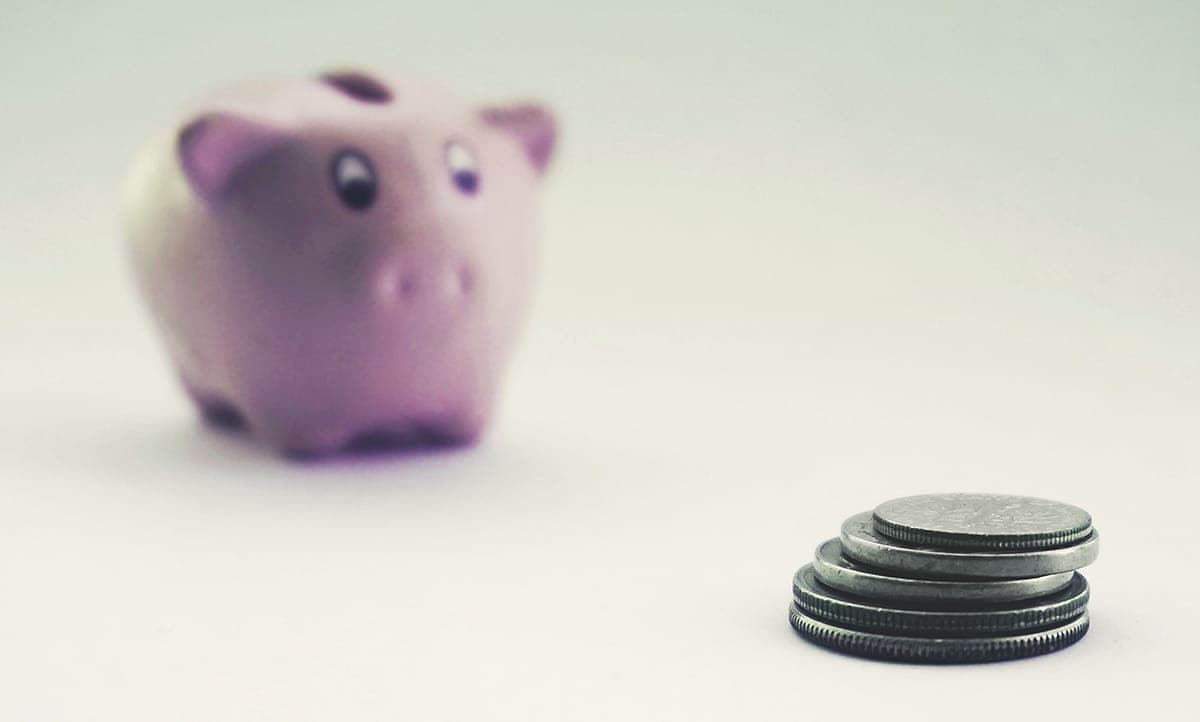
Your child’s RESP might not be an effective hedge against inflation, but it’s still a crucial element in reducing the impact of the cost of education on your future finances. Part of your year-end money move should include making sure you’ve contributed the optimal amount of $2,500 before December 31st. This enables you to capture the $500 matching contribution from the Canada Education Savings Grant.
If you were unable to use last year’s grant room, you can make up for it by contributing the $5,000 before the year ends. This allows you to secure the full $1,000 match for this year and last. Missing this window means losing grant money that will help boost your education savings.
Tips for Staying Current and Breezing Through Inflation
Economic planners do not expect the economy to return to normal, and the prospect of lower prices remains uncertain. Then again, this shouldn’t keep you from staying consistent with your RESP contributions and making the most of other investments to hedge against inflation. Here’s what you can do to ensure you’re better prepared for next year as you focus on boosting your child’s education funds.
1. Consider channelling cash gifts to your savings plan
For the holidays, family members will most likely give cash gifts. The more practical move this year is to direct these to your child’s RESP, thereby growing your savings instead of using the money for temporary expenses.
2. Diversify your portfolio as your child enters secondary school
Your investment portfolio should focus on exchange-traded funds to bank on high gains while your child is just starting school. As they mature and enter high school, you can preserve these gains by allocating funds to more secure and less risky investment vehicles, like guaranteed investment certificates or government bonds.
3. Check for Canada Learning Bond eligibility
The Canada Learning Bond is crucial for enhancing your child’s savings plan, especially if is at and below the low-income threshold. Applying for this bond can secure up to $2,000 in total: $500 in the first eligible year, plus $100 for each additional year of eligibility until your child turns 15.
Endnote
The right money moves will help you save and boost your child’s future despite current economic challenges. Being prepared before the start of 2027 makes all the difference, so be sure to follow these tips and enhance your saving and spending habits accordingly.
photo by Suzy Hazelwood on Pexels
contributed post