

Winter is often associated with holiday markets, festive lights, seasonal shopping, and visits with family and friends. While these traditions can be enjoyable, families looking for something different have plenty of ways to make the colder months exciting. From outdoor adventures and creative challenges to educational outings and active sports, winter offers many opportunities to spend meaningful time together.
The best family-friendly winter activities do not have to be expensive or complicated. Sometimes, the most memorable experiences come from trying something new, spending time outdoors, and turning an ordinary winter day into a shared adventure. Whether your family lives in a snowy region or simply wants to embrace the season, there are plenty of alternatives to the usual holiday activities.
Plan a Winter Nature Scavenger Hunt
A winter scavenger hunt is an easy way to encourage children to pay attention to the world around them. Create a list of things to find during a walk, such as animal tracks, different types of evergreen trees, pinecones, interesting patterns in the snow, frozen puddles, or birds.
Older children can use a phone or notebook to record what they find, while younger children may enjoy checking off pictures on a simple list. You can make the activity more engaging by adding small challenges, such as identifying the coldest-looking object, finding three different natural textures, or spotting signs of wildlife.
This activity combines exercise, observation, and creativity without requiring a major trip. It can also become a regular weekend tradition throughout the winter season.
Try a Family Ice-Skating Outing

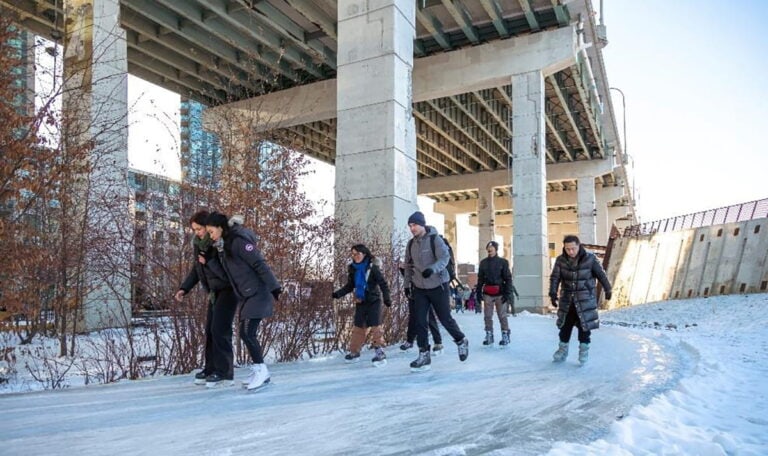
Ice skating can be a fun activity for families with children of different ages and experience levels. Beginners can focus on learning balance and movement, while more experienced skaters may enjoy practicing turns, skating games, or simple routines.
Families who want a more structured introduction to the sport may consider enrolling children in an ice skating school, where professional instruction can help them build confidence and learn foundational skills in a supervised environment.
Even a casual skating session can become a memorable family outing. Bring warm clothes for breaks, plan a cozy meal afterward, and let children set small personal goals for each visit. The emphasis does not have to be on athletic performance. Simply learning together and laughing through the inevitable wobbles can make the experience enjoyable.
Go Snowshoeing or Winter Hiking

Snowshoeing is an excellent way to explore outdoor spaces that may be difficult to access during winter. Many parks and recreation areas offer trails suitable for families, and some locations provide equipment rentals for beginners.
Winter hiking is another accessible option. A familiar trail can look completely different when covered in snow or surrounded by bare trees. Families can choose a short route, pack warm drinks, and take regular breaks to enjoy the scenery.
The key is to choose an activity that matches the ages and abilities of everyone in the group. A short, relaxed outing is often more enjoyable for young children than an ambitious trek that leaves everyone exhausted.
Build a Family Snow Fort
Snow forts are a classic winter activity, but families can make the idea more creative by turning it into a construction challenge. Children can work together to design a fort, create a miniature village, or build a safe snow structure with clearly defined boundaries.
Parents should supervise children closely during snow-fort construction and ensure that structures have open entrances and exits. Children should also avoid using sharp tools when building.
For families without enough snow, the same idea can be adapted indoors with blankets, cushions, cardboard boxes, or recycled materials. The focus is on teamwork, imagination, and building something together.
Spend a Day Learning Winter Sports

Winter sports offer a chance for children to develop new skills while staying active. Depending on the location, families might try snowboarding, cross-country skiing, sledding, tubing, or other seasonal activities.
For beginners, professional instruction can make the experience less intimidating. Qualified instructors can teach children how to use equipment safely, develop basic techniques, and build confidence gradually. Families considering ski lessons should choose programs that match each child’s age and experience level.
The American Academy of Orthopaedic Surgeons recommends warming up before winter sports, wearing appropriate protective equipment, dressing in layers, and learning from qualified instructors, particularly for activities such as skiing and snowboarding.
Visit a Winter Wildlife or Nature Centre
A nature center can provide a fascinating alternative to traditional seasonal events. Many wildlife organizations offer educational programs, guided walks, animal demonstrations, or exhibits focused on how animals survive the winter.
Children can learn how animals adapt to cold temperatures, where different species find food, and why some animals migrate or hibernate. These visits are particularly valuable because they combine entertainment with hands-on learning.
Families can extend the experience by creating a winter wildlife journal at home. Children can draw animals, write down interesting facts, or research which species live in their local area.
Organize a Winter Photography Challenge
A family photography challenge can turn an ordinary walk into a creative adventure. Give each family member a list of themes, such as “something frozen,” “the most interesting shadow,” “a winter texture,” or “a sign of wildlife.”
Children can use a camera or a supervised smartphone to take pictures. At the end of the day, everyone can share their favorite image and explain why they chose it.
This activity works particularly well for families who enjoy creative projects. It encourages children to look at familiar surroundings from a new perspective and gives everyone a reason to slow down and observe.
Try Winter Birdwatching
Winter can be a surprisingly rewarding season for birdwatching. Some birds are easier to spot when trees have lost their leaves, and local parks may attract species that are not commonly seen during warmer months.
Families can start with a simple bird identification guide or an age-appropriate app. Children can keep track of the birds they see and learn about their behavior.
To make the activity more engaging, create a family birdwatching challenge. The goal could be to spot five different species during a single outing or identify a bird by its sound.
Make a Winter Outdoor Art Project
Winter landscapes provide plenty of inspiration for creative activities. Families can create snow paintings using water and food-safe coloring, make temporary outdoor sculptures, or collect fallen natural materials for an art project.
Children can also sketch winter scenes, photograph unusual ice formations, or create a seasonal nature collage using items collected responsibly.
Outdoor art is especially useful for families who want an activity that combines movement with creativity. It also gives children the freedom to experiment without worrying about making a perfect final product.
Have a Family Sledding Day
Sledding remains one of the simplest ways to enjoy winter. Families can make the day more organized by choosing a safe, designated hill, establishing rules, and taking breaks between runs.
Parents should inspect the area before children begin and avoid slopes that end near roads, water, trees, or other hazards. Protective gear and appropriate winter clothing are also important.
According to the American Academy of Pediatrics, children should take regular breaks to warm up, wear warm layers, gloves or mittens, hats, and insulated footwear, and avoid spending too long outside in extreme cold.
Explore Winter Festivals That Are Not Holiday Markets
Many communities organize winter events that focus on culture, science, art, outdoor recreation, or local history rather than shopping. Families might find ice sculpture displays, winter science demonstrations, lantern walks, cultural celebrations, outdoor concerts, or community sports events.
Checking local libraries, parks departments, museums, and recreation organizations can reveal activities that may not receive the same attention as large holiday markets. These events often provide a more relaxed way for families to try something new together.
Plan a Cozy Outdoor Picnic
A picnic does not have to be limited to warm weather. Families can pack thermoses of soup or hot chocolate, bring insulated containers, and choose a scenic location for a short winter meal outdoors.
The experience can be as simple as sitting at a park table or enjoying snacks after a winter walk. The goal is to create a change of scenery and make an ordinary meal feel special.
Of course, families should monitor weather conditions and make sure children are dressed appropriately. The American Academy of Pediatrics notes that children can enjoy outdoor winter activities when they are dressed warmly and take regular opportunities to come inside and warm up.
“Taking time together can improve children and parents’ well-being on many fronts, including their physical and mental health.”
This advice, shared by Verywell Family in its discussion of winter activities for families, highlights why seasonal experiences can be about more than simply keeping children entertained. Shared activities can create opportunities for connection, movement, and quality time together.
Make Winter About Experiences, Not Just Events
The best family-friendly winter activities do not need to be large or expensive. A nature walk, a photography challenge, a snow-building project, or a new sport can create memories that last long after the season ends.
Rather than relying only on holiday markets and seasonal shopping, families can use winter as an opportunity to explore, learn, create, and stay active. The colder months offer a different pace and atmosphere, making them ideal for activities that encourage families to spend time together.
With a little planning, the winter season can become a time for discovery and connection. Whether your family chooses an outdoor adventure, a creative challenge, a sports activity, or a simple afternoon in nature, the most important part is finding something everyone can enjoy together.













You must be logged in to post a comment.