
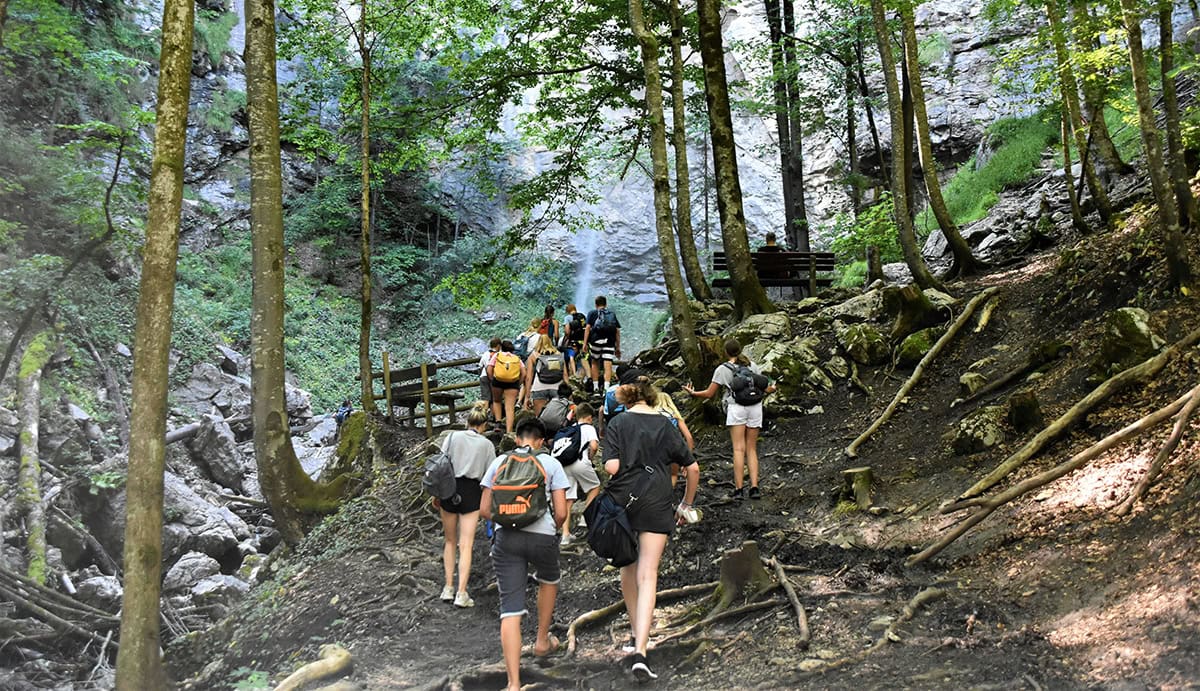
In many households, parents are taking a fresh approach to reducing screen time by encouraging children to spend more time outdoors. Rather than simply limiting access to phones, tablets, and gaming consoles, families are introducing activities that help children build confidence, stay active, and learn practical life skills. This shift is helping kids develop healthier habits while creating opportunities for real-world experiences that technology cannot fully replace.
Outdoor skill-building activities offer far more than physical exercise. They encourage creativity, teamwork, patience, and resilience. Whether children are exploring local parks, learning a new sport, or participating in community programs, these experiences help them grow socially, emotionally, and physically.
Why More Families Are Choosing Outdoor Activities
Technology has become an essential part of everyday life, but excessive recreational screen time can reduce opportunities for movement, face-to-face interaction, and independent exploration.
The American Academy of Pediatrics (AAP) recommends that children participate in regular physical activity as part of a healthy lifestyle.
Instead of focusing only on reducing screen use, many parents are finding success by replacing it with engaging outdoor experiences that naturally capture children’s attention.
Skateboarding Helps Build Confidence

Learning new physical skills teaches children perseverance and self-confidence. Skateboarding has become one of the fastest-growing recreational activities because it encourages children to challenge themselves while progressing at their own pace.
Many parents now enroll their children in skateboard classes where experienced instructors teach balance, coordination, safety, and proper techniques in a supportive environment. As children improve, they gain confidence not only in the sport but also in their ability to overcome challenges through practice.
Unlike many traditional sports, skateboarding allows children to celebrate personal achievements without constant competition, making it appealing for a wide range of personalities.
Archery Develops Focus and Patience
Archery is another outdoor activity attracting families who want children to learn discipline and concentration.
Unlike fast-moving sports, archery requires participants to slow down, focus on technique, and remain patient. Every shot teaches children the importance of consistency and self-control.
Many parents appreciate ArcheryUp programs because they provide structured instruction that helps beginners develop safe practices while gradually improving their accuracy and confidence.
These lessons often translate into better concentration at school and increased self-discipline in everyday life.
Hiking Encourages Curiosity
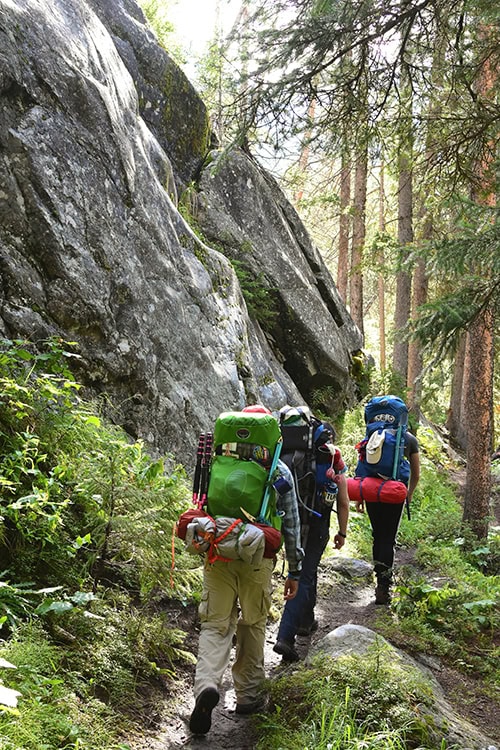
Family hikes provide much more than exercise. They encourage children to observe wildlife, identify plants, explore new environments, and appreciate nature.
Walking through forests, conservation areas, or local trails creates opportunities for conversations that rarely happen when everyone is focused on digital devices.
Children also develop endurance and problem-solving skills as they navigate different terrains and discover the natural world around them.
Gardening Teaches Responsibility
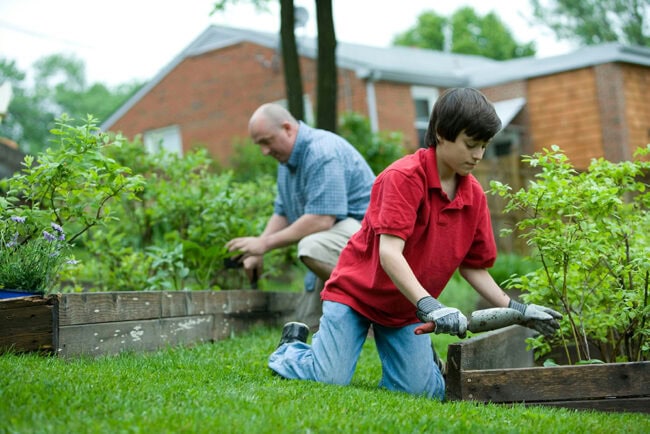
Gardening introduces children to patience and accountability.
By planting flowers, herbs, or vegetables, children learn that consistent care produces meaningful results. They begin to understand the importance of watering plants, monitoring growth, and protecting gardens from pests.
Gardening also encourages healthier eating habits because children often become excited to harvest fruits and vegetables they helped grow.
Cycling Promotes Healthy Habits
Cycling remains one of the easiest outdoor activities families can enjoy together.
Regular bike rides improve cardiovascular health, balance, and coordination while allowing children to explore neighborhoods, parks, and bike trails.
Family cycling adventures also strengthen relationships by creating shared experiences away from screens and daily distractions.
Outdoor Team Sports Build Social Skills
Team sports continue to provide valuable lessons beyond physical fitness.
Activities such as soccer, baseball, flag football, and ultimate frisbee help children develop:
- Communication
- Teamwork
- Leadership
- Respect for others
- Sportsmanship
These experiences build friendships while teaching children how to work toward common goals.
Nature-Based Learning Sparks Creativity
Outdoor exploration naturally inspires curiosity.
Whether children are collecting leaves, identifying birds, or learning about insects, nature encourages questions and hands-on learning.
Parents often notice that children become more imaginative after spending time outdoors because they interact directly with their surroundings instead of consuming digital entertainment.
Adventure Activities Build Resilience
Activities like rock climbing, kayaking, paddleboarding, and obstacle courses encourage children to face challenges in a supportive environment.
Each accomplishment helps build resilience by teaching children that improvement comes through effort and persistence.
Rather than fearing failure, they begin viewing mistakes as opportunities to learn and grow.
The Benefits Extend Beyond Physical Health
Research consistently shows that outdoor play supports children’s overall development.
“Outdoor play gives children opportunities to improve their physical health, social-emotional development, and creativity.” — HealthyChildren.org
These benefits often continue into adulthood by encouraging healthy routines and lifelong interests.
Helping Children Build Lifelong Skills
Parents are increasingly choosing activities that teach valuable life lessons rather than simply keeping children occupied.
Outdoor experiences help children develop:
- Confidence
- Independence
- Problem-solving abilities
- Patience
- Goal-setting skills
- Resilience
Whether mastering a new skill, exploring a hiking trail, or participating in organized recreational programs, children learn that meaningful accomplishments require practice and persistence.
These lessons become valuable not only during childhood but throughout their lives.
Tips for Encouraging Outdoor Time
Families don’t need elaborate plans to reduce screen time successfully. Small changes often make the biggest difference.
Some practical ideas include:
- Schedule outdoor play after school.
- Visit local parks on weekends.
- Let children choose an activity they enjoy.
- Participate together as a family.
- Create consistent screen-free hours each day.
By making outdoor experiences enjoyable rather than mandatory, parents can help children naturally develop healthier routines.
Today’s parents are shifting the conversation from limiting screen time to creating meaningful alternatives that promote learning, movement, and personal growth. Outdoor activities encourage children to become more confident, active, and engaged with the world around them while building important life skills that cannot be developed through passive entertainment alone.
Whether children are learning balance through skateboarding, improving concentration with archery, exploring nature on hiking trails, or working together in team sports, each experience contributes to healthier habits and stronger character. As more families embrace outdoor learning, they are discovering that the best way to reduce screen time isn’t by focusing on what children are giving up—it’s by showing them everything they have to gain.














You must be logged in to post a comment.