

Getting your disability claim denied can feel frustrating, confusing, and even overwhelming. You may have expected support during a difficult time, only to receive a rejection letter instead. But here’s the important thing to understand: a denial is not the end of your case. Many valid claims are initially denied and later approved after a strong appeal.
The key is knowing how to strengthen your claim before moving forward. Let’s walk through what you can do to improve your chances of success.
Understand Why Your Claim Was Denied
Start by thoroughly going through your denial letter. Insurance companies must clearly outline the reasons for rejecting your claim, and this information is essential—something a Denied Disability Claims Lawyer can help interpret and use to strengthen your next steps.
Common reasons include:
- Insufficient medical evidence
- Missing documentation
- Failure to meet the policy’s definition of disability
- Surveillance or conflicting information
- Missed deadlines or incomplete forms
Understanding the exact reason helps you fix the issue instead of repeating the same mistake in your appeal.
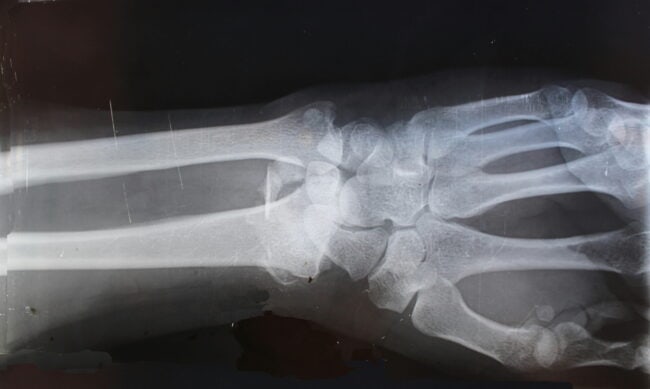
Gather Stronger Medical Evidence
Medical evidence is the foundation of any disability claim. If your claim was denied, it often means the insurer did not find your medical proof convincing enough.
To strengthen your case:
- Request detailed reports from your doctor
- Ask your physician to clearly explain how your condition limits your ability to work
Generic notes are not enough. Your medical records should directly connect your condition to your inability to perform your job duties.
Follow All Recommended Treatments
Insurance companies often look at whether you are actively trying to recover. If you skip treatments, miss appointments, or ignore medical advice, it may be used against you.
Make sure to:
- Attend all scheduled appointments
- Follow prescribed treatments and medications
- Keep records of your ongoing care
Consistency shows that your condition is real and that you are taking it seriously.
Document How Your Condition Affects Your Daily Life
Beyond medical records, it’s important to show how your condition impacts your everyday life.
You can do this by:
- Keeping a daily journal of symptoms
- Noting pain levels, fatigue, or limitations
- Recording activities you can no longer perform
This kind of personal documentation adds a human element to your claim and helps demonstrate the real impact of your condition.
Address Any Gaps or Inconsistencies
Insurance companies closely review claims for inconsistencies. Even small contradictions can weaken your case.
For example:
- Saying you cannot stand for long periods, but posting photos showing otherwise
- Missing medical visits without explanation
- Providing incomplete work history
Take time to review your file and correct any gaps. If something needs clarification, explain it clearly in your appeal.
Be Careful with Surveillance and Social Media
Many people don’t realize that insurance companies may monitor claimants through surveillance or social media.
Simple posts or activities can be misinterpreted. To protect your claim:
- Avoid posting about physical activities
- Be mindful of what you share publicly
- Assume your claim is being reviewed closely
Even innocent content can be used out of context.
Meet All Deadlines
Appeals have strict deadlines, and missing one can result in losing your right to challenge the denial.
Make sure to:
- Note the appeal deadline in your denial letter
- Submit all documents on time
- Keep copies of everything you send
Staying organized is crucial at this stage.
Consider Getting Professional Help
Disability claims can become complex, especially after a denial. A professional can help you:
- Identify weaknesses in your original claim
- Gather stronger evidence
- Communicate with the insurance company
- Build a solid appeal strategy
Many people see better results when they have experienced guidance during the appeal process.
Focus on Building a Strong Appeal
When you submit your appeal, it should not just repeat your original claim. Instead, it should:
- Address the exact reasons for denial
- Include new and stronger evidence
- Clearly explain your limitations
Think of your appeal as a second chance to present your case—this time, more clearly and convincingly.
Read the article: What Are Legal Support Services

Final Thoughts
A denied disability claim can feel like a setback, but it’s often just part of the process. Many claims are approved on appeal once the right information is provided.
The key is to stay proactive, organized, and focused on strengthening your case. By improving your medical evidence, addressing weaknesses, and following the proper steps, you can significantly increase your chances of success.
Most importantly, don’t lose hope. With the right approach, a denial can turn into an approval—and the support you need may still be within reach.
Other articles from totimes.ca – otttimes.ca – mtltimes.ca















You must be logged in to post a comment.