

Most people think moving is just about packing boxes and getting from point A to point B. That might be true for short moves, but once the distance increases, everything changes.
A long-distance move across Canada — or especially an international relocation — is less about lifting furniture and more about planning, timing, and coordination. It’s something you really understand only when you go through it yourself.
It Starts Long Before Moving Day
One of the biggest surprises for many people is how early the process actually begins. It’s not just about the day the truck arrives — it’s about preparation in advance. You start thinking about what to take, what to leave behind, how to organize everything, and how to avoid unnecessary volume. The more structured this stage is, the smoother everything goes later. People who try to “figure it out last minute” usually end up dealing with stress that could have been avoided.
It’s Not Just Distance — It’s Logistics
Driving across provinces or shipping belongings overseas involves more than just mileage. There are schedules, routes, timing windows, and sometimes even coordination across different regions or countries. For example, a shipment doesn’t just “go straight there.” It may be:
- planned around other routes
- scheduled for specific delivery windows
- affected by weather or transit conditions
- adjusted depending on access at destination
This is why long-distance moving feels more like a process than a single event.
Shared vs Dedicated — A Real Decision
At some point, almost everyone faces the same question: should the move be shared or dedicated? A shared load can be a smart choice if timing is flexible. It reduces cost and works well for smaller shipments. A dedicated truck, on the other hand, gives more control. It’s faster, more predictable, and often less stressful when timing matters. There’s no universal “better option” — it really depends on what matters more to you: budget or schedule.
Packing Becomes a Bigger Deal Than Expected
People often underestimate how important packing is — until they realize their belongings are going to be in transit for days or even weeks.
Things shift during transport. Roads aren’t always smooth. Climate can change from one province to another, or between countries.
That’s why proper protection matters:
- furniture needs to be secured and wrapped properly
- fragile items need structure, not just boxes
- loading has to be done with balance in mind
It’s not about overpacking — it’s about packing smart.
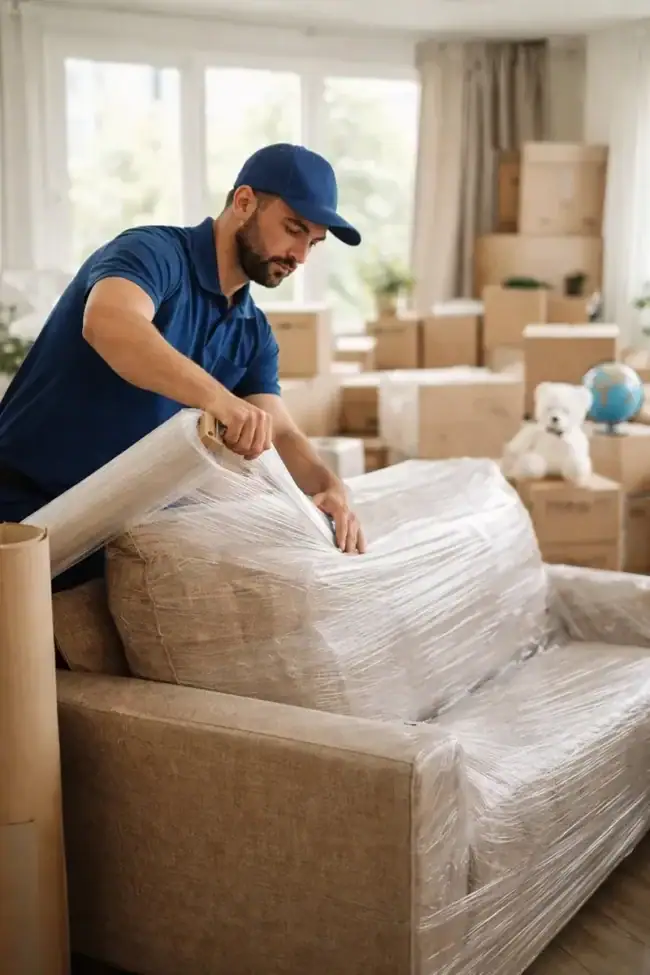
International Moves Add Another Layer
When a move crosses borders, everything becomes more detailed. Documentation, customs, inventory lists — these are not optional. Even small mistakes can lead to delays. There are also decisions about shipping methods, timing, and coordination on both sides. It’s no longer just “moving” — it becomes a process involving multiple steps and checkpoints.
Why the Right Team Makes a Difference
At the end of the day, the biggest difference comes from who is handling the move.
Experience shows in small things — how the move is planned, how communication is handled, how problems are prevented before they even happen.
Working with a team that focuses on this type of relocation, like an experienced long distance moving company in Canada, can change the entire experience from stressful to manageable.
Final Thoughts
A long-distance or international move is not something most people do often. And because of that, it’s easy to underestimate what’s involved. But once you understand that it’s a process — not just a moving day — everything becomes clearer. With the right preparation and the right support, it doesn’t have to feel overwhelming. It just needs to be done properly.
Other articles from totimes.ca – otttimes.ca – mtltimes.ca















You must be logged in to post a comment.