
Stoves fail in surprisingly predictable ways. Understanding the symptoms helps you decide whether to try a quick fix or call a technician. For a deeper walkthrough, see this handy guide to stove repair step-by-step.

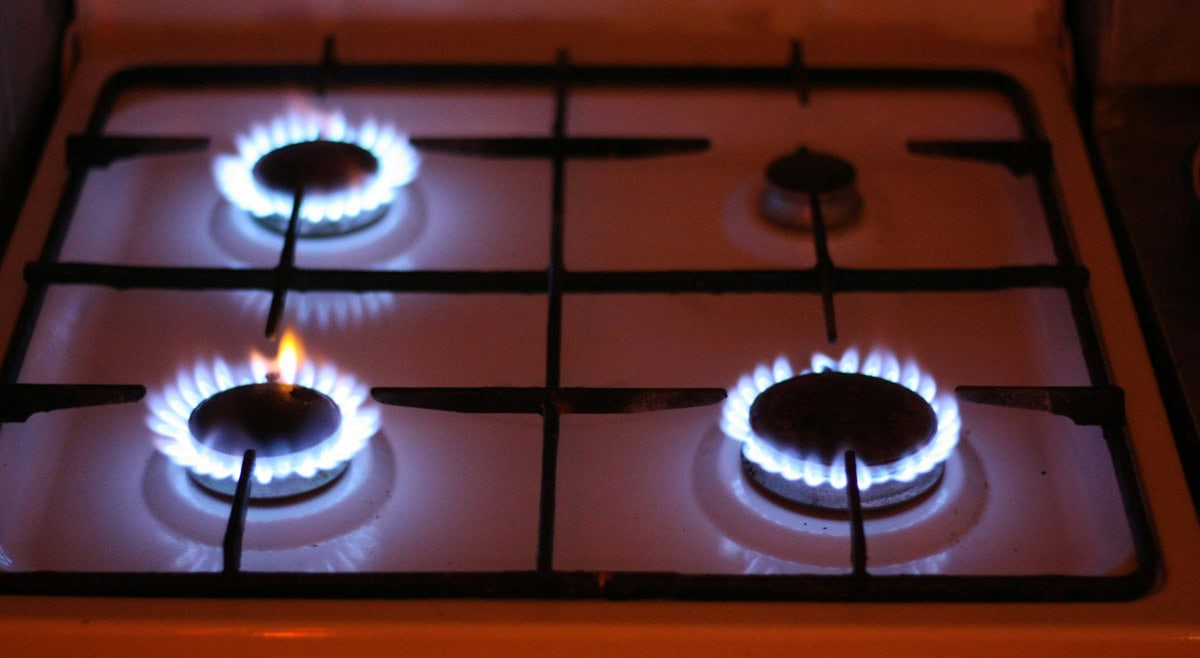
1) Gas burner won’t ignite
What you notice: Clicking but no flame, or a weak, uneven flame.
Likely cause: Clogged burner ports, a damp or misaligned igniter cap, or a faulty spark module.
Try this: With power and gas off, clean the ports with a soft brush and realign the cap. If the igniter doesn’t glow or click at all, components may need replacement.
2) Electric element heats slowly or unevenly
What you notice: Cold spots on pans, elements that only glow partially.
Likely cause: Worn coil, loose receptacle, or a failing infinite switch.
Try this: Swap the suspect coil with a working one (same size). If the problem moves, replace the coil; if not, the switch or wiring may be at fault.

3) Endless clicking on a gas cooktop
What you notice: Ticking even after ignition.
Likely cause: Moisture in the igniter from boil-overs or cleaning, or a shorted switch.
Try this: Let the cooktop dry thoroughly; use a fan. Persistent clicking points to switch harness issues.
4) Oven preheats forever
What you notice: Temperature climbs slowly or never stabilizes.
Likely cause: Failing bake or broil element (electric), weak igniter (gas), or poor door seal.
Try this: Inspect elements for blisters or breaks; test continuity. On gas models, a dim igniter glow suggests replacement.
5) Wild temperature swings
What you notice: Cookies burned on top, raw inside.
Likely cause: Faulty temperature sensor/thermistor, miscalibrated control, or fan problems in convection mode.
Try this: Verify with an oven thermometer; recalibrate if your model allows. Replace a sensor that reads outside spec.
6) Self-clean triggers error codes
What you notice: Locked door, beeping, shut-down mid-cycle.
Likely cause: High heat stresses door latches, sensors, and boards.
Try this: Power-cycle after cooling. If errors persist, avoid self-clean until latch or sensor repairs are made.
7) Smoke or unusual odors
What you notice: Acrid smell, light smoke on first use or after spills.
Likely cause: Factory oils burning off, food residue, or a shorted component.
Try this: Run a high-heat burn-in with good ventilation. Heavy smoke with no spill suggests electrical inspection.
8) Dead or frozen control panel
What you notice: Blank display or unresponsive buttons.
Likely cause: Tripped breaker, blown thermal fuse, or failed control board.
Try this: Check power first; if fuses keep blowing, stop and call a pro.
9) Door won’t close or seal
What you notice: Heat leaking, uneven baking.
Likely cause: Bent hinges, tired springs, or a flattened gasket.
Try this: Replace the gasket if brittle; hinge work usually needs professional alignment.

DIY vs. pro: a quick rule
- DIY-friendly: Cleaning, gaskets, coils, basic calibration.
- Pro-worthy: Gas leaks, wiring, control boards, repeated fuse trips, or persistent error codes.
Bottom line
Most stove issues telegraph their cause. A little diagnosis saves time—and sometimes dinner. When symptoms point to gas, electrical, or control failures, book a qualified technician to restore safe, consistent heat.
Other articles from totimes.ca – otttimes.ca – mtltimes.ca















You must be logged in to post a comment.