
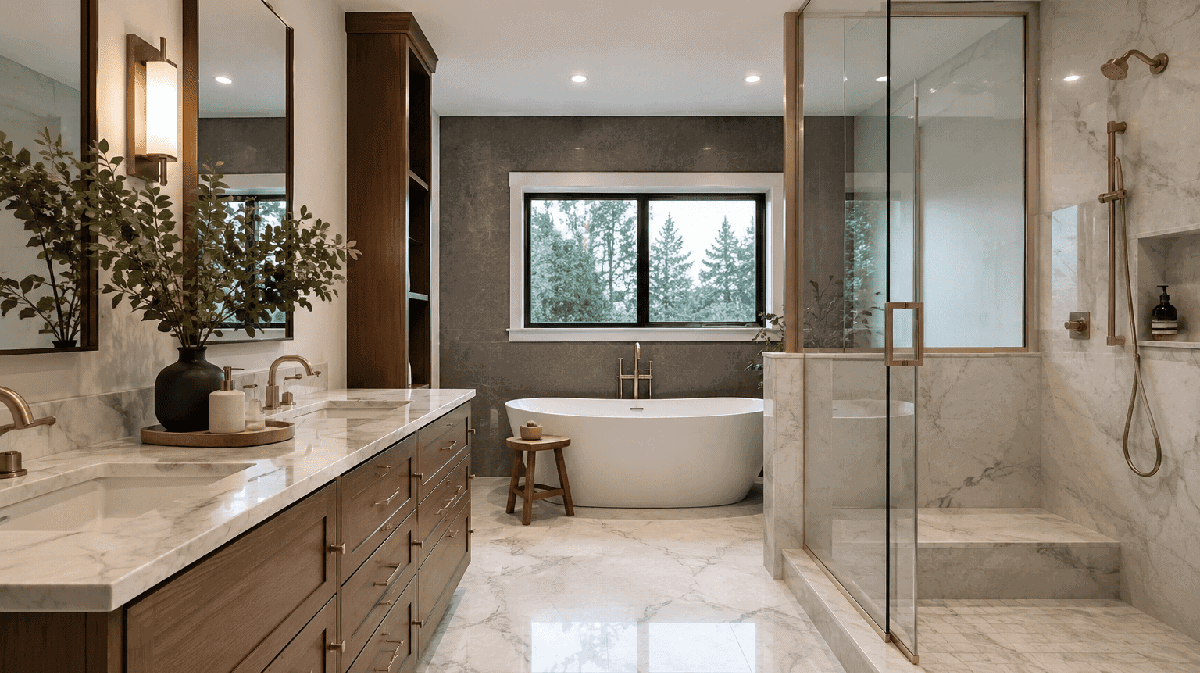
A bathroom renovation is often considered one of the most valuable upgrades for a home. An updated bathroom can improve daily comfort, increase property value, and make a home more attractive to future buyers. At the same time, renovation projects are rarely as simple as they seem at the beginning. Even smaller bathrooms may involve plumbing modifications, waterproofing upgrades, ventilation improvements, and unexpected structural issues once older materials are removed.
Today, many property owners focus less on purely decorative changes and more on practical improvements that provide long-term value. Functionality, storage efficiency, durability, and lighting quality have become just as important as visual appearance. Because of this, proper planning plays a major role in the success of any renovation project.
Planning Before Renovation Begins
One of the most common renovation mistakes is starting demolition before having a complete plan in place. Costs can increase quickly when important decisions are made during construction rather than beforehand. Delays in materials, layout adjustments, or plumbing modifications often lead to additional expenses that could have been avoided with better preparation.
Before choosing finishes, fixtures, or flooring materials, it is important to evaluate how the bathroom is used on a daily basis. In many cases, layout, ventilation, lighting, and storage solutions have a greater impact on comfort than decorative elements alone. A modern bathroom should not only look appealing but also remain practical and functional for everyday use.
Careful planning and proper technical execution help prevent common issues such as poor waterproofing, drainage problems, insufficient ventilation, or inefficient use of space. Many Bathroom Renovation projects today also focus on improving long-term durability and reducing future maintenance requirements.

Modern Bathroom Trends Are Becoming More Practical
Bathroom design trends in Canada have gradually shifted toward simpler layouts and practical upgrades that improve everyday living. Many homeowners now prefer spaces that are easy to maintain and designed for long-term use rather than overly complex interiors that may quickly go out of style.
Some of the most popular modern bathroom features include:
- walk-in showers;
- floating vanities;
- heated flooring;
- larger mirrors;
- improved lighting systems;
- frameless glass installations.
Neutral colour palettes and natural-looking materials also remain highly popular because they help create a brighter and more spacious atmosphere, especially in smaller bathrooms.
Durability has become another important priority in modern renovations. Moisture-resistant materials, reliable plumbing fixtures, quality flooring, and properly designed ventilation systems can significantly reduce maintenance issues over time. In busy households, practical upgrades often provide greater long-term value than purely cosmetic improvements.
Another growing trend is creating a more relaxing, spa-like atmosphere at home. Soft lighting, minimalist finishes, simple design elements, and better storage organization can make even compact bathrooms feel more comfortable and functional without unnecessary complexity.
Realistic Budgeting Helps Avoid Unexpected Costs
Budget overruns remain one of the most common concerns during renovation projects. Older homes, especially, may contain hidden problems that only become visible once demolition begins.
Unexpected expenses often result from issues such as:
- outdated plumbing systems;
- old electrical wiring;
- water damage;
- ventilation problems;
- hidden structural deterioration.
For that reason, it is often recommended to include a contingency budget before construction starts. Having additional funds available for unexpected repairs can make the renovation process far less stressful and help prevent delays later in the project.
Many homeowners also consider Bathroom reconstruction options when older layouts no longer meet modern needs or when larger upgrades are required. Reconstruction projects may improve accessibility, replace outdated systems, increase storage capacity, and create a more efficient overall layout for the household.
While appearance remains important, durable materials and well-planned upgrades usually provide better long-term results than focusing only on cosmetic changes.
A Well-Planned Renovation Adds Long-Term Value
A professionally completed bathroom renovation offers benefits that go beyond aesthetics alone. In addition to enhancing comfort and functionality, updated bathrooms can increase property value and improve energy efficiency. Modern fixtures, efficient lighting, and properly designed ventilation systems may also help reduce future maintenance needs while improving everyday usability.
Although design trends continue to change over time, thoughtful planning and quality construction remain the foundation of every successful renovation. Property owners who approach renovations with realistic expectations, clear priorities, and attention to long-term functionality are more likely to achieve results that remain practical, comfortable, and visually appealing for years to come.
submitted post











You must be logged in to post a comment.