

What Are the Most Overlooked Pest Risks in Modern Homes?
The most overlooked pest vulnerabilities in houses are the ones you cannot easily see. These risks are not caused by neglect but by how modern homes are built and used.
Hidden gaps, sealed environments, and enclosed storage spaces create conditions where pests can thrive without detection.
What Do Homeowners Typically Miss?
Many homeowners focus on visible cleanliness but overlook deeper pest control risks that allow infestations to develop unnoticed. Effective pest control goes beyond surface cleaning and requires attention to structural and environmental factors. These include:
- Small entry points around pipes and vents
- Warm, humid areas inside walls
- Low-traffic zones like storage rooms
Without proactive pest control, these hidden vulnerabilities often lead to long-term infestations before any visible warning signs appear.
Key Takeaways
- Modern home pest problems are often hidden behind walls and fixtures
- Airtight construction can trap moisture and attract pests
- Tiny gaps allow mice, ants, and cockroaches to enter
- Storage habits and clutter create ideal hiding spots
- Kitchens, basements, and attics are high-risk areas
- Early detection depends on recognizing subtle warning signs
Why Do Modern Homes Still Have Pest Problems?
A common misconception is that new homes are pest-free. In reality, why modern homes get pests often comes down to construction practices and design choices.
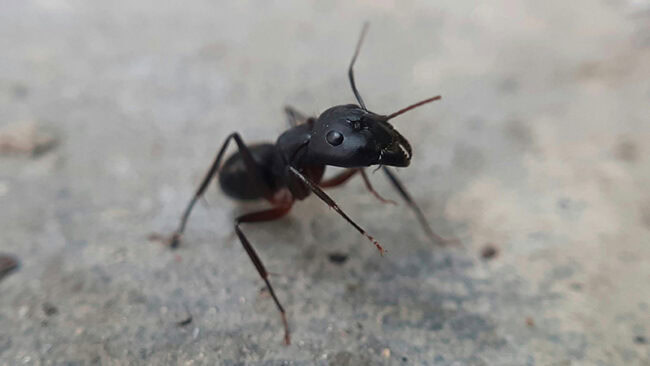
Why Do New Homes Still Get Pests?
New construction can leave behind tiny gaps and unfinished seals.
- Cause: Rushed building timelines
- Risk: Easy entry for rodents and insects
- Consequence: Early infestations before homeowners notice
Even small openings are enough for pests like mice to enter and begin nesting.
How Does Energy Efficiency Increase Pest Vulnerabilities?
Modern homes are tightly sealed to improve energy efficiency.
- Cause: Airtight construction
- Risk: Heat and moisture buildup
- Consequence: Ideal breeding conditions for pests
This environment is especially attractive to cockroaches, ants, and moisture-loving insects.
What Design Features Increase Pest Risk?
Certain design elements in modern homes unintentionally create overlooked causes of pest infestations.
Do Open-Concept Layouts Contribute to Pest Spread?
Open spaces allow pests to move freely.
- Cause: Fewer physical barriers
- Risk: Faster spread of pests
- Consequence: Infestations reach multiple areas quickly
Are Built-In Cabinets and Hidden Spaces Problematic?
Built-in storage often goes unchecked.
- Cause: Enclosed, rarely inspected areas
- Risk: Nesting for cockroaches and mice
- Consequence: Infestations remain hidden for long periods
How Do Large Windows and Sliding Doors Create Entry Points?
Modern window and door systems can develop gaps over time.
- Cause: Worn seals and tracks
- Risk: Entry for flying and crawling insects
- Consequence: Repeated indoor pest access
What Hidden Structural Vulnerabilities Allow Pests Inside?
Structural weaknesses are one of the biggest hidden pest risks in modern homes.

Where Do Construction Gaps Commonly Occur?
Even well-built homes have small openings.
- Around plumbing and electrical wiring
- Along foundation cracks
- Near rooflines and vents
These gaps act as direct entry points for mice, rats, and insects.
How Does Insulation Become a Pest Habitat?
Insulation provides warmth and protection.
- Cause: Soft, undisturbed material
- Risk: Nesting by rodents and squirrels
- Consequence: Damage, contamination, and odours
Once pests settle in insulation, they can remain hidden for months.
How Do Moisture and Ventilation Issues Attract Pests?
Moisture is one of the strongest drivers of pest activity.
Why Is Moisture a Major Pest Attractor?
Water sources attract many pests.
- Cause: Leaks, condensation, humidity
- Risk: Attraction of cockroaches, ants, and other insects
- Consequence: Increased infestation likelihood
How Does Poor Ventilation Contribute to Pest Problems?
Airflow issues can trap humidity indoors.
- Cause: Inadequate ventilation systems
- Risk: Damp environments
- Consequence: Ideal breeding conditions for pests
These hidden moisture zones often exist behind walls or under flooring.
What Storage and Lifestyle Habits Increase Pest Risks?
Daily habits can unintentionally create pest risks homeowners don’t notice.
How Does Clutter Create Hidden Pest Zones?
Clutter provides shelter and protection.
- Cause: Overloaded storage areas
- Risk: Safe hiding spots for pests
- Consequence: Infestations grow unnoticed
Do Modern Food Storage Habits Attract Pests?
Improper storage invites pests indoors.
- Cause: Open packaging or crumbs
- Risk: Attraction of ants and cockroaches
- Consequence: Food contamination
How Do Waste Management Habits Impact Pest Activity?
Garbage plays a major role in pest attraction.
- Cause: Delayed disposal
- Risk: Increased pest presence
- Consequence: Recurring infestations
Where Are the Most Common Hidden Pest Risk Areas in Homes?
Certain areas consistently show higher pest vulnerabilities in houses.
Why Are Kitchens and Cabinets High-Risk Areas?
Kitchens combine food, moisture, and warmth. These conditions attract insects and rodents, especially in hidden cabinet spaces.
What Makes Basements Vulnerable to Pests?
Basements are often damp and dark. These conditions create ideal habitats for pests that prefer low-traffic environments.
How Do Attics and Roof Spaces Attract Wildlife?
Attics provide warmth and insulation. This makes them attractive to raccoons, squirrels, and other wildlife seeking shelter.
Are Storage Areas and Garages Overlooked Risk Zones?
Garages and storage rooms often contain clutter and entry points. These areas allow pests to enter and remain undetected.
How Do These Hidden Risks Lead to Infestations?
Small issues can quickly escalate into serious problems.
What Happens When Risks Go Unnoticed?
- Entry points allow pests inside
- Nesting begins in hidden areas
- Reproduction increases population
How Quickly Can Infestations Develop?
Many pests reproduce rapidly. A few insects or rodents can become a full infestation within weeks.
Why Are Hidden Infestations Harder to Control?
Hidden infestations spread before detection. By the time signs appear, pests may already be established in multiple areas.
What Early Signs Are Linked to Hidden Pest Risks?
Recognizing early warning signs helps prevent escalation.
What Are the First Signs of Pest Activity?
- Droppings or debris
- Unusual odours
- Scratching or movement sounds
How Do Hidden Areas Show Indirect Signs?
- Damaged insulation
- Grease marks along walls
- Small holes or entry points
These subtle clues often indicate deeper pest problems.
How Can You Reduce Hidden Pest Risks in Modern Homes?
Prevention focuses on identifying and addressing vulnerabilities early.
How Can You Identify Hidden Vulnerabilities?
- Inspect seals around doors and windows
- Check for cracks and gaps
- Monitor moisture-prone areas
What Maintenance Habits Help Prevent Pests?
- Maintain regular cleaning routines
- Store food securely
- Remove clutter from storage spaces
How Can Structural Improvements Reduce Risk?
- Seal entry points
- Improve ventilation systems
- Address leaks and moisture issues
These steps significantly reduce hidden pest risks over time.
FAQs
Why do modern homes still get pests?
Modern homes often have hidden pest risks due to airtight construction, small gaps, and moisture buildup. These conditions create ideal environments for pests to enter and survive, even in clean homes. The problem is not cleanliness but overlooked vulnerabilities in design and structure.
What are the most overlooked pest risks?
The most overlooked risks include insulation gaps, ventilation issues, and hidden entry points. Cluttered storage and moisture buildup also contribute. These factors allow rodents and insects to enter and remain undetected, making infestations harder to identify early.
Can new homes have pest problems?
Yes, new homes can still develop modern home pest problems. Construction gaps, landscaping changes, and sealed environments often attract pests. Even newly built properties can experience infestations if these hidden vulnerabilities are not addressed.
How do hidden risks lead to infestations?
Hidden risks allow pests to enter, nest, and reproduce without disruption. Over time, populations grow and spread throughout the home. Because these issues remain unnoticed, infestations become more severe before any visible signs appear.
submitted posts
















You must be logged in to post a comment.