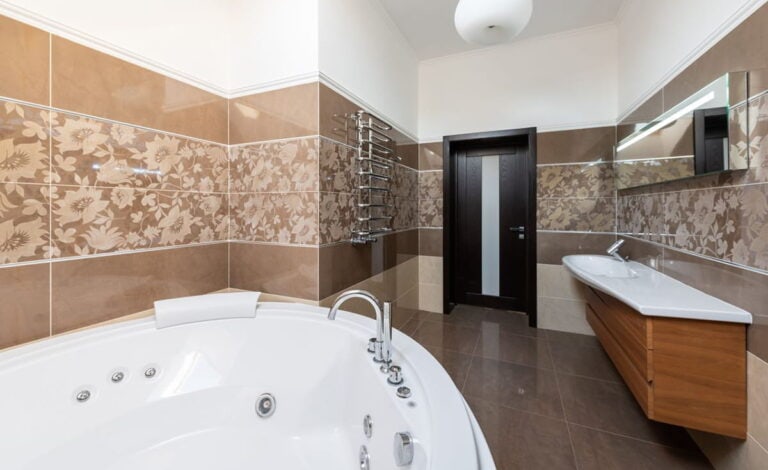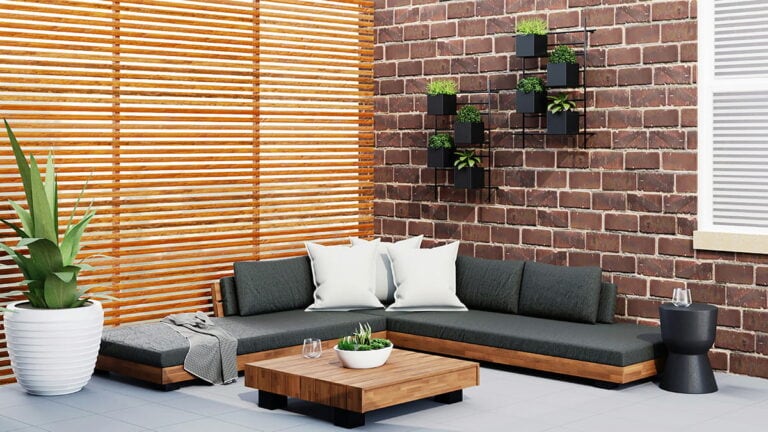
Stone can shape a home’s character for decades, so the best choice should suit both the building and the demands of daily life. A polished surface may bring a refined look to an entryway, while textured stone can add warmth and depth to an exterior. Before settling on a product, compare samples in the actual space, consider how the material will age and check what care it requires. These practical checks will help you find a stone that looks at home from the day it’s installed.
Understanding Stone Types
Natural stone varies in appearance, density and maintenance needs. Granite is dense and durable, making it a practical candidate for busy kitchens, exterior steps and other hard-working areas. Marble has expressive veining and a softer composition, so spills and acidic substances can leave marks. Limestone tends to offer muted colours and gentle patterning, while slate brings layered texture and darker tones.
A useful natural stone selection guide can help you compare these basic characteristics. Still, stone names alone don’t tell the full story. Ask for the material’s finish, recommended application and care instructions since two varieties from the same family can perform differently.
Matching Stone to Style
Start with the fixed features that will remain after the project is finished. Roof colour, brickwork, flooring and cabinetry provide clearer direction than temporary items such as cushions or wall paint. Traditional homes often suit limestone, fieldstone-inspired shapes and subtly varied surfaces. Modern rooms usually benefit from large-format pieces, restrained veining and clean installation lines.
Reviewing different exterior stone styles can clarify how scale and pattern affect a facade. When you’re ready to compare physical options, samples from a supplier providing natural stone products can be viewed beside your existing materials. Set each sample vertically for wall applications since stone can appear darker or lighter depending on its angle to the light.
Colour Palettes and Textures
Choose undertones before choosing an exact shade. Grey stone may lean blue, green or brown and that subtle cast affects how it works with paint, wood and metal finishes. Warm beige stone generally pairs comfortably with oak and cream, while cool charcoal can complement black-framed windows and crisp white walls.
Texture changes colour perception too. A honed finish looks smooth and softly reflects light, while a rough finish creates small shadows that make the same stone appear more varied. Examine samples in morning light, afternoon sun and artificial evening light. For flooring, place several pieces together on the ground. A single tile can’t reveal the full range of movement and colour found across an installed surface.
Practical Considerations for Use
Match performance to the location. An entry floor needs to handle grit, moisture and frequent cleaning, while decorative wall cladding faces much less wear. Outdoor stone must suit the local freeze-thaw conditions, especially where water could enter small pores and expand in winter. Ask the installer about drainage, substrate preparation and compatible setting materials before ordering.
Maintenance also deserves an honest look. Some surfaces need periodic sealing, while highly textured stone may collect dust or cooking residue. Request written care directions and test cleaners on a spare piece. This guide to home interior finishes that can stand the test of time also highlights the importance of considering durability, maintenance and how materials will age before making a final choice.
For countertops, bring home samples and place a cold glass, a drop of lemon juice and a small amount of cooking oil on an offcut, following the supplier’s testing advice. This reveals how visible everyday marks may become.
Finding Your Perfect Match
Narrow the choice to three candidates, then compare them using the same criteria: appearance, intended use, upkeep, availability and installed cost. Include labour, edge treatments, delivery and any extra material needed for cuts or future repairs. Ordering approximately 10 per cent extra is common for straightforward layouts, though complex patterns may require more. Your installer can calculate the appropriate allowance.
Before approving the order, review multiple samples or pieces from the planned batch because natural variation is part of the material. Confirm the finish in writing and ask how seams, corners and transitions will be handled. The strongest match will feel connected to the home’s existing architecture and remain practical after the initial visual impact has worn off. Keep one labelled spare piece after installation for future reference or repairs.
Photo by Leandro Silva on Unsplash