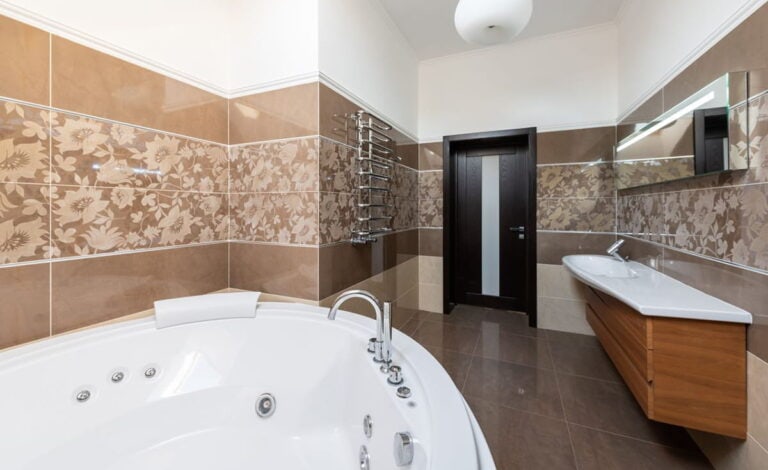
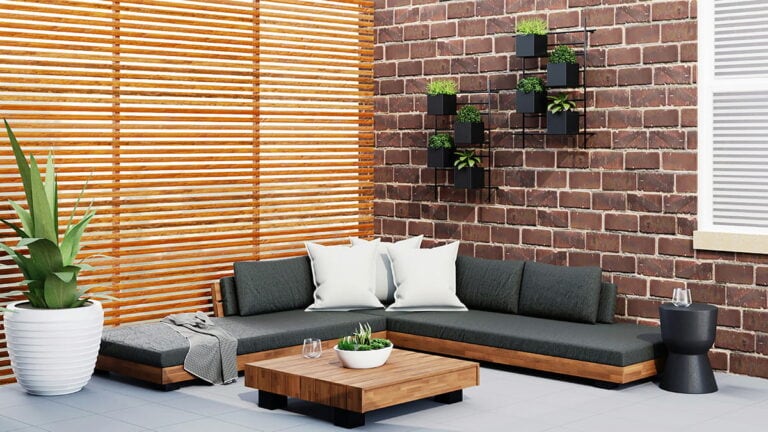
Interior finishes shape how a room looks on day one and how gracefully it changes over time. Floors, counters, and decorative hardware face different levels of contact, moisture, and sunlight, so appearance alone isn’t enough to guide your choices. A lasting interior pairs suitable materials with colours and finishes that won’t feel tied to one brief design cycle. Care requirements also deserve attention, since even a highly durable surface can deteriorate if you clean it with the wrong product.
Understanding Material Durability
Start by considering how each surface will be used. A kitchen counter must resist heat, stains and frequent wiping, while a bedroom cabinet handle faces lighter wear. Material hardness matters, but so do moisture resistance, repair options, and how a finish ages.
Natural stone, solid timber and metals feature prominently in guides to timeless interior materials. Each still needs to suit its setting. Porous stone may require periodic sealing, for example, while timber can swell near persistent moisture.
Before ordering, ask suppliers for:
- Cleaning and care instructions
- Finish samples to view at home
- Warranty details and exclusions
- Information about coatings or sealants
Test samples in daylight and artificial light for several days. Colour, sheen and texture can shift considerably as lighting changes.
Classic Versus Trendy Choices
Permanent and expensive elements benefit from restraint. Floors, counters and built-in cabinetry are difficult to replace, so quiet colours and familiar materials often provide a better foundation. Current interior ideas can then come through paint, cushions, and artwork, which are easier to update.
In fact, many modern home designs balance enduring foundations with personal details. Proportion matters too. An unusual finish used on every surface may dominate a room, while the same choice on cabinet pulls can add character without controlling the whole scheme.
For a warm, established look, antique brass architectural hardware can coordinate switches, outlets, doors, and cabinetry. Keeping these smaller details consistent also helps separate rooms feel connected.
The Enduring Appeal of Metal Finishes
Metal defines a room’s look without requiring large areas of colour or pattern. This is because polished finishes reflect more light and tend to feel formal, while brushed and aged surfaces soften reflections. Warm metals work especially well with timber, cream paint and natural stone. Cooler finishes can complement white, grey and deep blue.
Consistency should guide the selection, though every metal in a home doesn’t need to match exactly. Choose one dominant finish for fixed details such as door handles and switches, then introduce a second metal through lamps or furniture. Repeat each finish at least twice to make the combination look deliberate.
Also check how the surface is produced. Solid metal, plated parts, and coated finishes can age differently, even when they look nearly identical in a showroom.
Maintenance for Long-Lasting Beauty
Follow the manufacturer’s care directions before trying a general household cleaner. Abrasive powders, rough pads, and acidic sprays can dull coatings or mark natural materials. For many sealed surfaces and metal fittings, a soft cloth lightly dampened with water is the safest place to start. Dry the area afterward to prevent spots and residue.
A simple maintenance routine prevents small problems from becoming permanent:
- Wipe spills promptly, especially on stone and timber
- Dust textured hardware with a soft brush
- Check sealant around wet areas every six months
- Tighten loose handles carefully before movement damages the fitting
- Test any new cleaner on a hidden area
Some living finishes develop a patina through regular contact. If you like that natural change, avoid polishing products designed to restore a uniform shine.
And remember, long-lasting rooms come from realistic choices about wear, aging, and upkeep. Keep samples beside existing floors and furniture before committing, then record the approved cleaning products for each surface. That small reference can protect an interior long after installation day.
contributed post