What really drives the price of new windows in Toronto? A clear breakdown of the factors that shape a quote, and how to budget before you call an installer.
Ask three Toronto homeowners what they paid for new windows and you’ll likely get three very different answers. That’s not because installers are pulling numbers out of thin air. Window pricing depends on a handful of specific factors, and once you understand them, quotes become much easier to compare and budgets much easier to plan.
Here’s a practical look at what drives the cost of window replacement in Toronto, and how to go into the process with realistic expectations.
The Main Factors Behind a Window Quote
1. Window style
Different styles involve different hardware, frame designs and labour. As a general rule, fixed (picture) windows cost the least because they don’t open. Sliders and single- or double-hung windows sit in the middle. Casement and awning windows, which crank open and seal tightly, usually cost more, and specialty shapes like bay, bow or custom arches cost the most.
2. Size and number of openings
Larger windows use more glass and material, and oversized units may need extra hands to install. The total number of openings matters too: replacing every window in a house at once usually brings the per-window cost down compared with doing one or two at a time.
3. Frame material
| Frame material | Relative cost | Pros | Cons |
|---|---|---|---|
| Vinyl | Lower | Affordable, low-maintenance, good insulation | Fewer colour options, can’t be painted easily |
| Fibreglass | Mid to high | Very stable in temperature swings, durable | Higher upfront cost |
| Wood | High | Classic look, suits heritage homes | Needs regular maintenance |
| Wood-clad / aluminum-clad | High | Wood interior with a durable exterior | Premium pricing |
Vinyl is by far the most common choice in Toronto because it balances cost, performance and upkeep.
4. Glass package
Double glazing is the baseline for most homes today. Triple glazing costs more but adds insulation and noise reduction, which many homeowners on busy streets or near highways find worth it. Low-E coatings, argon or krypton gas fills and warm-edge spacers all add to performance and to the price.
5. Installation type
This is one of the biggest variables. An insert installation fits a new window into the existing frame, which is quicker and less expensive. A full-frame installation removes the old window down to the rough opening, allowing the installer to inspect for rot, replace damaged framing, and insulate properly. Full-frame work costs more but is often the right choice for older homes or windows with water damage.
6. The condition of your home
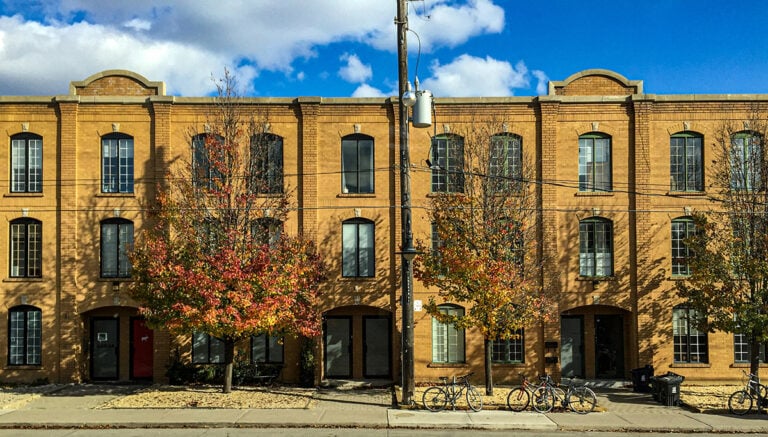
Brick homes, stucco exteriors, rotted sills, non-standard openings and upper-storey windows that need special access can all add labour. Older Toronto homes in particular often hide surprises behind the trim, which is why a good installer measures and inspects on site before giving a firm price.
Budgeting Before You Call
Getting a rough idea of cost before inviting installers into your home helps you set priorities: which rooms to do first, whether to go with double or triple glazing, and how much of the budget to set aside for trim and finishing. An online window cost calculator is a simple way to estimate a ballpark figure based on the number, size and type of windows you have in mind. It won’t replace an on-site measurement, but it gives you a realistic starting point for comparing quotes.
How to Compare Quotes Fairly
When the quotes come in, make sure you’re comparing the same thing. Check that each one specifies:
- The exact window style, size and frame material for every opening
- The glass package (double or triple, coatings, gas fill)
- Insert versus full-frame installation
- Interior and exterior trim, caulking and disposal of old windows
- Warranty terms on both the product and the installation
A lower price that leaves out trim work or uses a basic glass package isn’t really cheaper. It just moves the cost somewhere else.
Where the Money Comes Back
New windows aren’t just an expense. Better insulation lowers heating and cooling costs, good seals reduce drafts and condensation, and quieter rooms make a real difference in a busy city. Updated windows also improve curb appeal, which matters if you plan to sell in the next few years. It’s also worth checking for current federal, provincial or utility energy-efficiency incentives, since programs for window upgrades come and go.
The Takeaway
The cost of new windows in Toronto comes down to style, size, materials, glass, installation method and the condition of your home. Understanding those factors, estimating a budget before you start, and comparing detailed quotes side by side will help you choose windows that fit both your home and your wallet
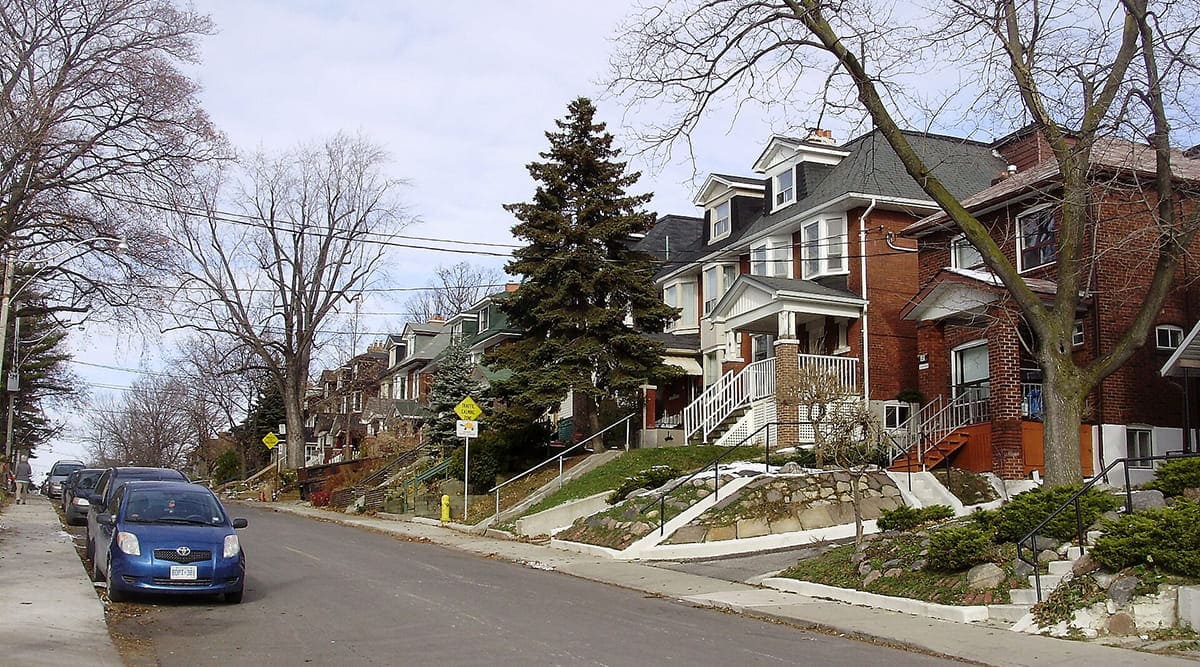
photo by GTD Aquitaine on wikicommons, public domain