
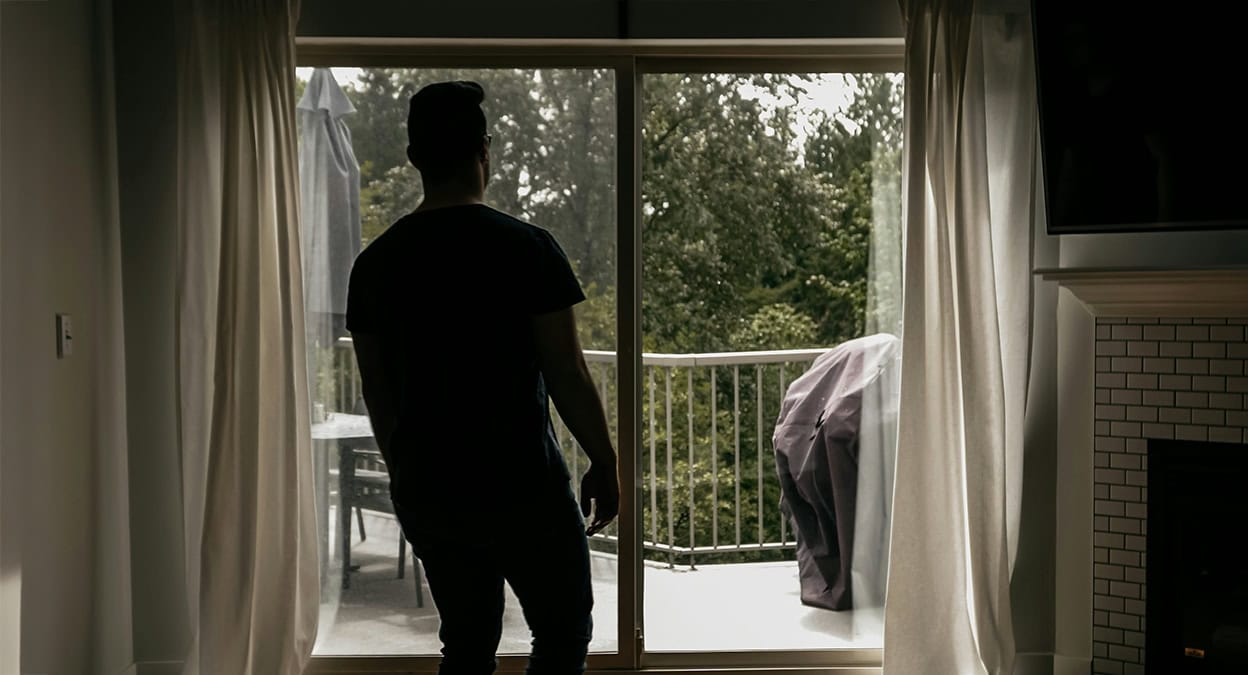
Fresh air can make any indoor space feel more comfortable, especially during spring and summer when people want better ventilation without relying entirely on air conditioning. But keeping a door open, even partially, can quickly invite mosquitoes, flies, dust, pollen, and outdoor debris inside. That is why properly maintained screens‚ tracks‚ seals‚ and door hardware are more than small details. They help create a barrier that allows airflow while keeping out unwanted pests and dirt.
Many people notice screen and entry problems only when they become irritating: a screen that does not slide smoothly, a mesh panel that has pulled loose, a gap near the bottom edge, or a door that no longer closes evenly. In these cases‚ screen door repair may be needed‚ but regular maintenance can often prevent the issue from becoming more disruptive. A few small checks throughout the year can help keep doors moving smoothly and reduce the chance of pests getting in.
The local Toronto-based door repair company Lawrence Doors & Glazing notes that screen and door maintenance is often most effective when it addresses the entire opening rather than a single visible problem. The screen mesh‚ frame‚ rollers‚ tracks‚ latch‚ weatherstripping‚ and surrounding door system all work together. If one part is loose, dirty, bent, or worn, the whole setup may feel less reliable.

Why screen and sliding doors need regular attention
Screen doors are lightweight compared with solid entry doors, but they still deal with daily use, wind, moisture, dust, bugs and seasonal temperature changes. Over time, rollers can accumulate dirt, tracks can clog, mesh can loosen or break down, and frames can shift slightly. These issues may not stop the door from working right away, but they often make it harder to slide, close, or latch properly.
A screen door that does not close fully can leave a small gap through which insects can pass. Even a narrow opening at the bottom or along the side can reduce the screen’s usefulness. That is why maintenance should focus not only on visible tears but also on fit and alignment.
Common signs of screen and track problems
Small changes in how a screen door feels can point to developing problems. Paying attention early can prevent more frustrating issues later.
Common warning signs include:
· A Door that drags‚ jumps‚ or sticks in the track
· A Screen panel that does not sit squarely in the frame
· A Mesh section that appears loose‚ torn‚ or stretched
· A Latch that no longer catches cleanly
· A Gap along the side‚ top‚ or bottom of the screen
· A Track filled with dust‚ leaves‚ pet hair‚ or debris
· A Door that rattles or shifts in windy weather
These signs do not always mean the entire door system needs major work. In many cases, cleaning, adjustment, roller service, or mesh correction can restore normal function.
How clean tracks improve daily use
Tracks are one of the most overlooked parts of screen and sliding door maintenance. Dust‚ grit‚ small stones‚ leaves‚ and outdoor debris can collect in the channel‚ making the door harder to move. When people continue forcing the door over a dirty track, the rollers may wear out faster or become misaligned.
Regularly cleaning the track can make a noticeable difference. A vacuum‚ soft brush‚ and mild cleaner are often enough for routine upkeep. After cleaning, the door should be tested slowly to see whether it glides more evenly. If it still feels heavy or uneven‚ the issue may be with the rollers or alignment rather than surface debris alone.
Why mesh condition matters
The screen mesh is the most obvious barrier against insects, but it is also one of the most vulnerable parts of the system. Pets‚ children‚ wind‚ furniture‚ and general wear can all stretch or damage the mesh. A small tear may seem harmless, but it can widen quickly with continued use.
Loose mesh can also reduce the tension that helps the screen sit properly in its frame. When the mesh begins to sag or pull away from the edge, the panel may no longer feel stable. This can create gaps and make the screen easier to push out of position.
The importance of proper latching
A screen door should not only slide or swing smoothly; it should also latch properly. A weak latch can allow the door to drift open in the wind or fail to close tightly enough to block insects. If the latch catches only when the door is pushed or lifted, the door may be out of alignment.
Latch problems are often connected to roller wear, track damage, loose frames‚ or shifting hardware. Adjusting the latch without addressing the cause of its misalignment may provide only a temporary improvement. The better approach is to check how the door is sitting in the opening and whether the movement is smooth from start to finish.
Weather and seasonal wear
Canadian weather can affect screen and door systems in several ways. Spring pollen and dust can collect in tracks. Summer humidity can make materials expand slightly. Fall leaves and debris can build up around outdoor entries. Winter moisture and freezing temperatures can affect thresholds, seals, and nearby hardware.
Because these changes happen gradually, it is useful to inspect screen systems at the start of each season. A quick spring check can prepare the door for heavier use during warmer months, while a fall check can remove debris before colder weather arrives.
Simple maintenance steps that help
Regular care does not have to be complicated. A few practical habits can keep screen doors and related entry systems working better for longer.
Helpful maintenance steps include:
· Cleaning Tracks before debris becomes compacted
· Checking Mesh for small tears or loose edges
· Testing Latches to confirm the door closes securely
· Inspecting Rollers if the door feels heavy or uneven
· Watching For Gaps where insects could enter
· Removing Debris around thresholds and exterior openings
· Addressing New Noises before they become regular problems
These steps are especially useful for doors that are opened frequently or exposed to wind, moisture‚ pets‚ or outdoor foot traffic.
When professional service makes sense
Basic cleaning and visual checks can help, but some problems need a closer inspection. If a screen door keeps coming off track, the mesh repeatedly loosens, the latch will not align, or the door feels unstable even after cleaning. Professional service may be the more practical option.
A technician can determine whether the issue is caused by the screen itself, the frame, the rollers, the track, or the surrounding door system. This helps avoid guesswork and reduces the chance of replacing parts that were not actually causing the problem.
A better balance between airflow and protection
A well-maintained screen door lets fresh air in without making the space feel exposed to insects, dust, and outdoor debris. It should move smoothly, close securely, and sit neatly in the opening. When the screen, track, latch, and frame are all working together, the door becomes easy to use and easy to forget about – which is usually the sign that it is doing its job properly.
Keeping fresh air in and pests out is not only about the mesh. It is about maintaining the entire opening so that airflow, comfort, and protection work together through every season.
submitted post


















You must be logged in to post a comment.