

Most newcomer guides for Toronto read like a tour bus itinerary. CN Tower. Distillery District. The Raptors. Some mention of how diverse the city is, which is true. Some mention of winter, which is also true but undersold. None of it really prepares you for the experience of actually living here on day 30, or day 90, or day 200.
A lot of people are about to find out for themselves. There are plenty of resources for moving to Canada that walk through the visa side, and a meaningful share of newcomers are landing in Toronto specifically. A CNBC piece based on a survey of more than 116,000 Americans last year put Canada near the top of the most-considered destinations, which tracks if you’ve spent any time on a Toronto streetcar lately.
So here are a few things newcomers say they wish someone had told them sooner.
Getting Your Health Card Takes Longer Than the Form Suggests
OHIP, the Ontario provincial card, is the goal. The application itself isn’t complicated. The catch is what surrounds it. You need to show up in person with specific documentation, you need proof of residency that takes time to establish, and the temporary coverage situation isn’t always seamless. People have ended up at walk-in clinics without a card, with a sympathetic receptionist suggesting they come back in a week.
The CDC has a whole resource for long-term travelers and expatriates, which is more useful than the title suggests. The general advice from people who’ve been through it: have private interim coverage for at least your first few months. Don’t wait until something goes wrong to figure this out.
Not ideal, otherwise.
The Housing Market Is Its Own Thing
This is the part that catches almost everyone off guard.
Toronto rent is high. That part isn’t a surprise. What is a surprise is the process. Listings move within hours. Landlords routinely ask for credit checks, employment letters, references, and sometimes first and last month’s rent up front. None of which is great if you’ve just landed and don’t yet have a Canadian credit history, a Canadian employer letter, or a Canadian reference.
The workarounds usually involve paying extra months upfront, finding a guarantor, or accepting a slightly worse first place and moving in six months. A lot of people land in a sublet for a few weeks just to give themselves time to look properly. That’s not a bad plan, honestly.
Winter Is Not What You Think It Is

Toronto winter doesn’t actually feel like the postcard version. The postcard version is January at a ski hill in Quebec, all crisp air and bright snow. The Toronto version is more about damp, grey, slush-grey for weeks at a time, interspersed with occasional beautiful blankets of white with intermittent cold snaps that test the limits of whatever coat you brought. Some days, long underwear will be required but not as often as in other cities like Ottawa and Montreal.
The lake does something to it. Wind off Lake Ontario, especially downtown, makes the perceived temperature meaningfully worse than the actual number on your phone. February is the worst month if you are not a fan of winter. Most people get through their first February quietly questioning their decisions, then more or less forget about it by May.

Real winter gear matters. A coat that worked in San Francisco or Atlanta will not work here. Boots that resist road salt aren’t optional. Spend the money once.
Neighbourhood Beats Apartment

This one is short on purpose because it just needs saying.
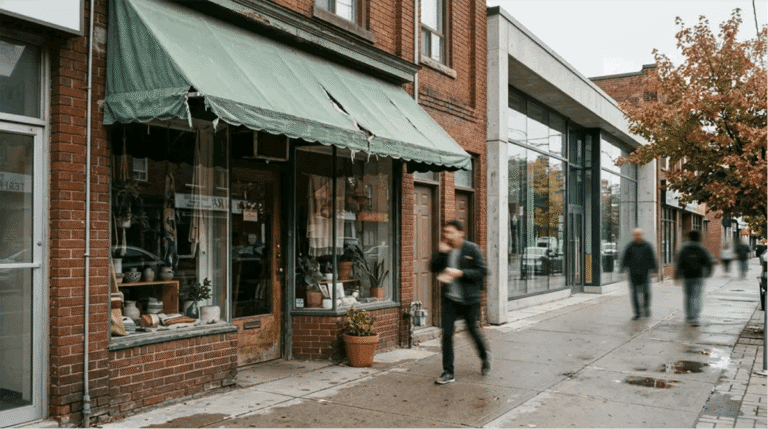
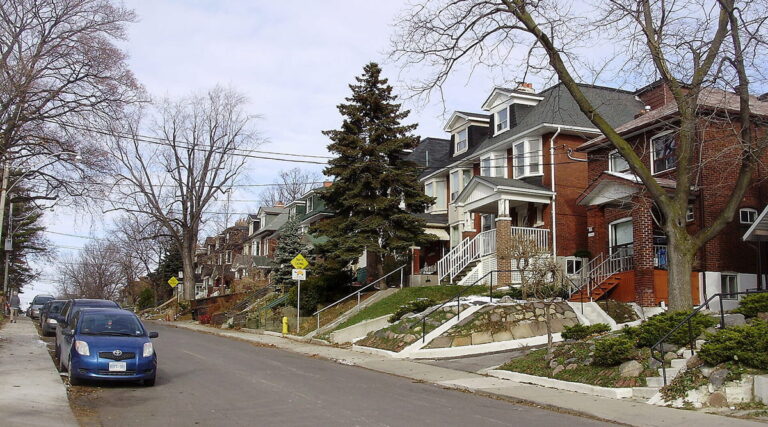
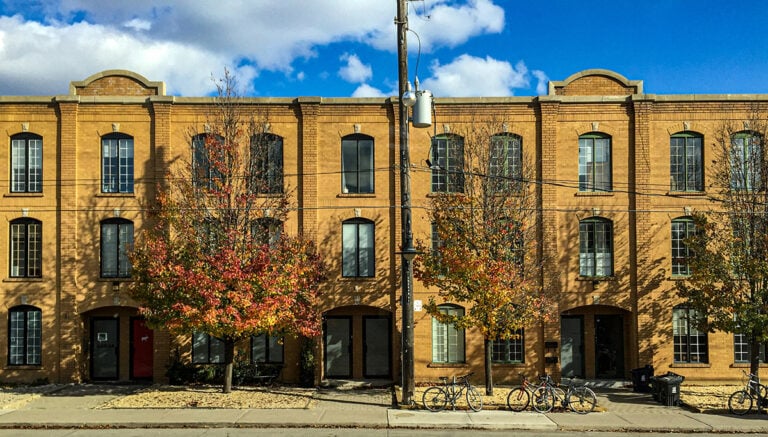
Toronto is extremely neighborhood-driven, more than people expect. The character of life in Leslieville is genuinely different from that of Liberty Village, which is different again from that of the Annex or Roncesvalles. A lot of newcomers sign a lease in whichever apartment had availability, then spend months wondering why they don’t feel settled.
The fix is mostly just spending time walking around. Eating at places. Getting a feel for blocks. Toronto Times has a solid roundup of restaurants in Leslieville, which doubles as a useful sense of what one specific neighborhood actually feels like. The same principle applies wherever you end up. The apartment fades into the background, and the neighborhood does most of the work of making a place feel like home.
Taxes Get Complicated, Especially the First Year
Briefly, because nobody enjoys this part.
Becoming an Ontario tax resident has implications most people don’t appreciate until they file their taxes. The CRA has newcomer-specific forms. If you’re American, the IRS still wants to hear from you regardless of where you live. There’s a “date of residency” that matters more than it feels like it should. Find a cross-border accountant before you need one, not after.
A lot of people learn this in year two. Maybe don’t.
Anyway. Toronto is, on balance, a pretty rewarding place to land. People who move here mostly stay, and most of the rough edges sand down over the first year or two. It’s more than the gap between the brochure version and the actual experience is wider than the brochure lets on, and the interesting parts of the city live somewhere inside that gap.
Worth knowing before you get here. Or after, honestly. Either way.
submitted post















You must be logged in to post a comment.