

Investing in outdoor furniture is essential for adding both style and comfort to your outdoor living space. Although the cheaper option may look attractive at first glance, low-quality furniture may require more replacements and cost more in the long run. Focusing on value makes it easier for homeowners to choose outdoor furniture wisely.
Evaluating Quality and Durability
The long-term value of furniture starts with its materials and construction. Good frames, water-resistant paint, and durable fabric can help furniture withstand sun, rain, and changing temperatures. Even though quality items may cost more at first, they are worth it because they can stay functional and look good for longer. Looking at the item’s construction helps homeowners understand what kind of furniture is built to survive outdoors.
Furniture lifespan is another factor to consider when shopping for outdoor furniture. A more costly but durable item is better than a less expensive but disposable chair. Consumers must understand how often they will use the furniture and what maintenance it requires to evaluate what it’s actually worth.
Selecting Materials That Reduce Upkeep
Furniture maintenance needs can affect the long-term costs of outdoor furniture. Some materials may need regular sealing, special cleaning procedures, or protection against inclement weather, while others may not require much maintenance. With this knowledge, homeowners can choose pieces that fit their maintenance schedules and save money.
The maintenance tools needed for a particular material can affect how costly ownership will be. Some materials require brushes, covers, cleaning solutions, and other maintenance items. Homeowners need to learn how to properly care for furniture before buying it. They should choose materials based on the maintenance they can provide.
Considering Climate and Placement
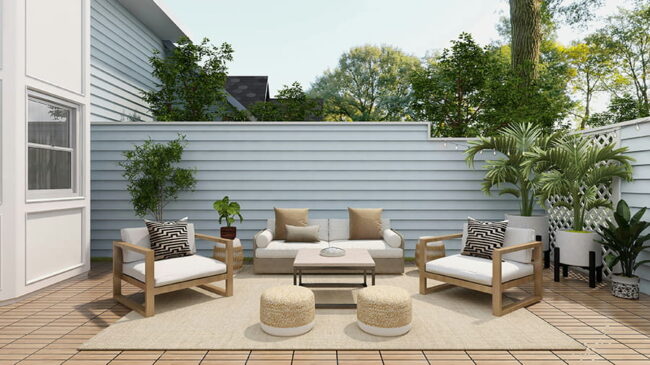
The surroundings where the furniture will be positioned is critical in determining how long the furniture will last. Surroundings affected by harsh climatic conditions such as intense sunlight, heavy rain, and winter may require special materials that can withstand them. This way, homeowners will avoid furniture that may deteriorate prematurely because of the surrounding conditions. The location where the furniture will be positioned could be in a covered patio, a deck, or an uncovered backyard.
Location can play a big part in ensuring the furniture lasts a long time. Placing furniture where there is no standing water or intense sunlight reduces wear and tear, and storing it properly protects it during bad weather. Building materials used in outdoor areas will affect the environment where the furniture sits.
Choosing Furniture for Everyday Use
Longevity of value extends beyond the lifespan of the furniture itself. Comfort and functionality play key roles in ensuring consumers use their purchases often. Furniture needs to provide adequate comfort and support, while tables need enough space for meals, entertaining, and other activities. Buying furniture that meets a family’s needs adds to the practicality of the outdoor space.
The ability to use furniture in different ways also adds to its value. Multifunctional pieces, like extendable dining tables and modular seating, can be especially helpful as a family’s needs change. Buying multifunctional pieces could reduce the need to buy additional furniture in the future. Considering how furniture can be used over time is crucial when making a purchase.
Long-term value should be considered when buying furniture for outdoors since it entails durability, cost of maintenance, comfort and practicality of the items. Analysis of materials, compatibility with climatic conditions and the requirements of a family will ensure that purchasing decisions go beyond the cost factor. While quality furniture requires a bigger budget, investing in pieces meant to last will save money in the long run.












You must be logged in to post a comment.